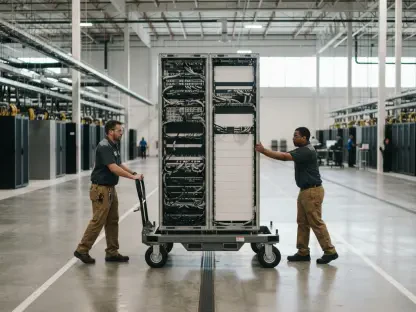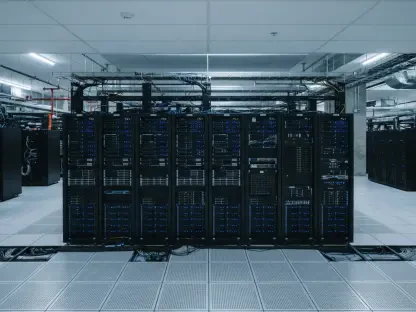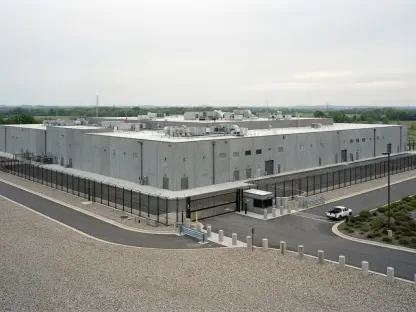

Ohio State is betting on the distribution advantage of Microsoft’s ecosystem to deploy new clinical tools seamlessly across its entire medical network. This strategic alliance, formalized in late 2026, represents a five-year commitment to overhaul the technological foundations of The Ohio State University Wexner Medical Center. By migrating approximately 70% to 80% of its total storage and compute requirements to the Microsoft Azure cloud, the university is not merely updating its software but fundamentally reimagining its digital backbone. This transition allows the institution to move away from fragmented legacy systems that often hinder real-time collaboration. The partnership, estimated by industry analysts at $250 million, establishes a scalable framework that supports everything from routine administrative tasks to advanced clinical imaging. This move positions the university as a leader in data-driven medicine, ensuring that every clinical interaction is backed by the full power of a modernized, secure, and highly responsive cloud-first infrastructure.
The Digital Architecture: Modernizing the Medical Infrastructure
Cloud Migration: Enhancing Capacity and System Resilience
The centerpiece of this massive digital transformation is the comprehensive migration of demanding medical workloads, specifically digital pathology and complex medical imaging, to the Azure environment. These specialized areas of medicine generate enormous amounts of data that require significant processing power for rapid analysis and retrieval. By leveraging the high-performance computing capabilities of the cloud, the Wexner Medical Center ensures that oncologists and radiologists can access high-resolution images without the latency issues typically associated with local servers. Furthermore, moving the Electronic Health Record system to a cloud-native infrastructure provides a vital layer of redundancy and accessibility. This modernization ensures that patient records are not only available to clinicians across different facilities but are also protected by enterprise-grade security protocols. The shift reflects a broader commitment to building a resilient infrastructure that can adapt to the evolving needs of a large-scale academic medical center.
Beyond immediate performance gains, the transition to a centralized cloud platform serves as a cornerstone for institutional business continuity and disaster recovery strategies. In an era where healthcare systems face increasing threats from cyberattacks and local system failures, having a robust cloud-based backup is no longer optional. The Azure integration provides the medical center with the ability to maintain critical operations even during unforeseen outages, ensuring that patient care remains uninterrupted. This resilience is particularly important for critical care units and emergency departments where access to real-time data is a matter of life and death. By establishing a unified environment for data management, Ohio State is effectively future-proofing its operations against technological obsolescence. The ability to scale storage and compute resources on demand allows the medical center to manage fluctuating patient volumes and data loads without the need for constant, expensive hardware upgrades, thereby creating a more sustainable and reliable model for long-term clinical delivery.
The Smart Hospital: Integrating IoT for Better Care
The implementation of Internet of Things technology is transforming traditional medical facilities into highly connected “smart hospitals,” starting with the Richard M. Ross Heart Hospital and the James Outpatient Care center. By embedding sensors and connected devices throughout the physical infrastructure, the Wexner Medical Center can bridge the gap between facility operations and clinical support. This initiative involves the integration of building management systems with clinical workflows, allowing for the automated monitoring of environmental conditions, asset locations, and patient status. For instance, the use of IoT sensors allows staff to track the location of life-saving equipment like ventilators and infusion pumps in real time, reducing the time clinicians spend searching for necessary tools. This interconnected ecosystem creates a more responsive environment where the facility itself supports the delivery of care, ensuring that the physical space is optimized for both safety and medical efficiency.
Leveraging the data gathered from these IoT networks allows for a more sophisticated approach to patient throughput and resource allocation across the medical campus. Real-time visibility into bed occupancy, patient transit times, and clinical bottlenecks enables hospital administrators to make data-driven decisions that reduce wait times and improve overall patient experience. This connectivity also extends to facility maintenance, where predictive models can identify potential equipment failures before they occur, preventing disruptions in patient care. The integration of Azure IoT capabilities ensures that these diverse streams of information are centralized, providing a holistic view of hospital operations that was previously impossible. As the smart hospital initiative expands, the medical center plans to utilize these insights to further refine its operational strategies, moving toward a model where every aspect of the hospital environment is designed to enhance clinical outcomes and streamline the path from admission to discharge.
Operational Intelligence: Transforming Data and Clinical Workflows
Unified Foundations: Breaking Silos with Advanced Analytics
To move beyond simple data storage, the university is utilizing Microsoft Fabric and OneLake to create a unified data foundation that dissolves traditional organizational silos. In the past, clinical data, financial records, and operational metrics were often stored in separate, incompatible systems, making comprehensive analysis difficult. By centralizing these disparate data sources into a single, governed environment, Ohio State can now apply sophisticated predictive analytics across its entire medical network. This unified approach allows researchers and clinicians to identify trends and patterns that might remain hidden within isolated datasets. The focus on data democratization ensures that authorized personnel across the institution have access to the insights they need to make informed decisions. By establishing this robust data governance framework, the university is not only improving current operations but also creating a playground for innovation where new AI-driven models can be developed and tested with unprecedented speed and accuracy.
Practical applications of this unified data foundation are already yielding measurable results in hospital management and clinical planning. Predictive analytics tools are being deployed to forecast surgical demand, allowing the medical center to optimize the use of operating rooms and reduce the backlog of elective procedures. Similarly, staffing models have been enhanced by analyzing historical patient influx patterns, ensuring that the appropriate number of specialized nurses and physicians are available during peak demand periods. This proactive approach to resource utilization extends to the management of high-value equipment and pharmaceuticals, minimizing waste and ensuring that supplies are allocated where they are needed most. By shifting from a reactive to a predictive operational model, Ohio State is setting a new standard for efficiency in academic medicine. These early successes demonstrate the power of combining high-quality medical data with advanced analytical tools to solve some of the most complex challenges in modern healthcare administration.
Clinical AI: Implementing Tools to Combat Physician Burnout
Addressing the growing crisis of physician burnout is a primary focus of the partnership’s artificial intelligence initiatives, particularly through the use of ambient clinical tools like Dragon Copilot. This AI-driven technology assists clinicians by automatically drafting clinical documentation during patient interactions, allowing doctors to focus entirely on the person in front of them rather than a computer screen. By significantly reducing the administrative burden of charting—often referred to as “pajama time”—these tools help restore the human connection in medicine. Clinicians review and finalize the AI-generated notes, ensuring accuracy while saving hours of manual data entry each day. This implementation of ambient AI represents a shift toward technology that supports, rather than detracts from, the clinical encounter. As these tools become more integrated into the daily workflow, the goal is to create a more sustainable environment for healthcare providers, ultimately leading to higher job satisfaction and improved patient engagement throughout the entire Wexner Medical Center network.
The collaboration between Ohio State and Microsoft successfully shifted the medical center toward a future where data-driven oncology and intelligent workflows define the standard of care. This transition involved the development of AI-supported tumor boards that synthesized vast quantities of patient data to assist specialists in creating personalized treatment plans. Healthcare executives and technology leaders should now look toward establishing similar cross-industry alliances to bridge the gap between technical infrastructure and clinical application. To maintain this momentum, the medical center must continue investing in the continuous training of its workforce, ensuring that all clinicians are proficient in using these advanced diagnostic tools. The final step in this transformation will involve the further scaling of these AI models to address chronic disease management and preventive health on a community-wide scale. By maintaining a focus on interoperability and ethical data usage, the institution has established a blueprint for how large-scale medical centers can leverage the cloud to enhance both operational vitality and patient outcomes.