
Enterprise procurement cycles often stall because platform teams cannot secure budget for unproven tools without first demonstrating real-world value. This inherent friction has historically slowed innovation, but the emergence of product-led strategies is fundamentally altering the landscape in 2026. By offering a fully functional edition of cloud management software for up to 100 resources at no cost, organizations are removing the financial barriers that prevent technical validation. This approach empowers engineering teams to prove the efficacy of a solution within their unique operational context before escalating the request to procurement. The transition toward a “try-before-you-buy” model reflects a deeper understanding of the modern B2B buyer, who values autonomy and representative-free exploration over traditional high-pressure sales pitches. Consequently, the product itself becomes the primary vehicle for growth, ensuring that adoption is based on tangible utility rather than speculative marketing claims.
Streamlining Governance Through Natural Language Interfaces
To complement this new accessibility, the evolution of hybrid cloud governance has necessitated a radical redesign of user interfaces to lower technical barriers. The integration of a natural-language layer, often powered by the Model Context Protocol, allows users to execute complex infrastructure tasks through simple conversational prompts. This shift addresses the “learning curve” problem that has long plagued sophisticated management tools, where navigating deep, nested menus often required specialized training. By enabling practitioners to describe their intent in plain English, the platform democratizes access to powerful automation and orchestration capabilities. This evolution is not merely a convenience; it represents a fundamental change in how IT professionals interact with their environments, moving from manual configuration to intent-based management. As a result, even less experienced team members can contribute to complex operations, significantly increasing the overall agility.
Importantly, these simplified natural-language interactions remain strictly tethered to existing role-based access controls and enterprise-grade security guardrails. While the ease of use is significantly enhanced, the underlying system ensures that every automated action adheres to established compliance standards and operational integrity. This balance is critical for large-scale organizations that cannot afford to sacrifice control for the sake of speed. Modern management platforms now offer the ability to audit every conversational command, providing a transparent trail of who did what and why. Furthermore, the integration of generative AI within these control planes allows for real-time suggestions and error-checking, preventing misconfigurations before they are deployed to production. This synthesis of user-friendly interfaces and robust backend security ensures that the transition to a more accessible management model does not introduce new risks, but rather strengthens the defensive posture.
Solving Complexity in Decentralized Cloud Environments
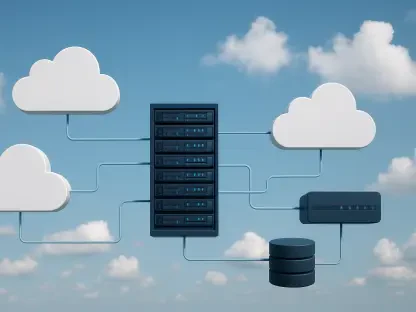
Modern organizations frequently struggle with “cloud sprawl,” where fragmented environments across public, private, and hybrid clouds lead to massive visibility gaps and cost overruns. A unified control plane addresses this by treating virtual machines, container clusters like OpenShift, and networking components as a single, cohesive ecosystem. This holistic view is essential for teams looking to rein in decentralized infrastructure while maintaining the flexibility required for rapid application development. By offering lifecycle orchestration and comprehensive cost visibility without an upfront financial commitment, the platform functions as a central nervous system for the modern IT department. This level of transparency allows stakeholders to identify underutilized resources and optimize spend across diverse environments. As cloud environments continue to grow in complexity through 2027, the ability to manage disparate technologies through a single pane of glass will be the differentiating factor for companies.
Ultimately, the industry recognized that traditional sales tactics could no longer keep pace with the rapid demands of modern infrastructure management. Organizations that transitioned to product-led growth models successfully bypassed the procurement bottlenecks that previously hindered technological progress. By implementing “no-cost” functional sandboxes, architects validated complex management workflows against real-world workloads, ensuring that every migration was grounded in data rather than guesswork. This strategic shift transformed cloud management utilities into essential assets for digital transformation, reducing the friction typically associated with large-scale architectural changes. Enterprises that prioritized usability and transparency found themselves better equipped to handle the volatility of the virtualization market. To succeed, leadership teams focused on securing small-scale operational wins using free-tier resources, which established the necessary proof of value for long-term investment.