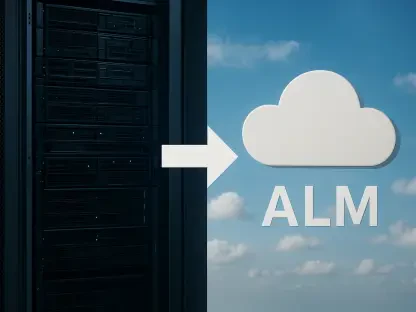

The global technological landscape is witnessing a seismic shift as Meta Platforms transitions from a social media titan into a primary architect of the physical world that powers artificial intelligence. This evolution is not merely an incremental update to existing software but represents a fundamental reimagining of how the company utilizes its massive physical assets and silicon reserves. By launching a project known as Meta Compute, the organization is effectively turning its internal necessity for processing power into a commercial product available to the wider enterprise market. This move signals a direct challenge to the established dominance of cloud giants such as Amazon Web Services and Microsoft Azure, which have long controlled the infrastructure layer of the internet. As digital advertising faces increasing regulatory and economic pressures, the pivot toward high-margin cloud services provides a vital secondary engine for growth and long-term stability.
Diversifying Revenue Through a Dual-Pronged Service Model
The core of this new commercial venture relies on a sophisticated dual-pronged approach that addresses different layers of the technological stack to capture a wide variety of customers. At the higher level, Meta is introducing a managed services model where developers and businesses can pay for direct API access to advanced, hosted AI models such as the recently debuted Muse Spark. Unlike the open-license Llama models that helped establish Meta as a champion of open-source artificial intelligence, these hosted offerings provide a turnkey solution for enterprises requiring high performance without the technical debt of maintaining their own server clusters. This strategy creates a reliable recurring revenue stream while allowing Meta to maintain a proprietary edge in specialized model architectures that remain closed to the public. By offering these refined environments, the company bridges the gap between the accessibility of open-source tools and the reliability of enterprise cloud systems.
In addition to software-level services, the second pillar of the strategy involves providing Infrastructure as a Service, which centers on the direct rental of raw computing capacity. This specific model is strategically designed for large-scale enterprise clients who have developed their own proprietary models but lack the localized hardware to train or run them at scale. By leasing out its surplus high-end GPU clusters during periods of lower internal demand, Meta ensures that its incredibly expensive data center assets remain productive around the clock. This creates a flexible marketplace for compute where the company can dynamically allocate resources based on both internal research needs and external market demand. Such a capability is particularly crucial as inference workloads continue to grow exponentially, requiring specialized chips that are often difficult for smaller companies to procure. This monetization of hardware underscores a shift where silicon has become the most valuable commodity.
Financial Drivers and Market Constraints in the AI Era
The strategic pivot toward becoming a cloud provider is largely motivated by the staggering costs associated with the current artificial intelligence arms race, with projected capital expenditures reaching an unprecedented $145 billion this year. As the organization builds massive, specialized data centers in regions like Ohio and Louisiana, it must find a way to justify the acquisition of hundreds of thousands of high-performance chips to its shareholders. Investors have increasingly demanded clearer paths to long-term profitability that do not rely solely on the volatility of the advertising market. Offsetting these astronomical construction and procurement costs by selling excess cloud capacity has already bolstered investor confidence, which was reflected in a notable surge in Meta’s stock price following the announcement. By transforming a massive operational expense into a revenue-generating asset, the company is effectively self-funding its own research while building a moat against competitors.
To manage the immense complexity of this transition, Meta has assembled a high-level leadership team that combines deep operational experience with cutting-edge theoretical research. This group, led by infrastructure head Santosh Janardhan and key executives from the company’s superintelligence laboratories, is tasked with balancing the competing priorities of internal innovation and external client service. Navigating the logistical challenges of running a public-facing cloud service requires a fundamental shift in corporate culture, moving from an agile software development mindset to one focused on high-availability hardware reliability. To support this massive scale, Meta is also leveraging a complex network of infrastructure partnerships with other technology giants and specialized providers like Oracle and CoreWeave. These collaborations allow for a more resilient supply chain and provide the necessary redundancy to ensure that enterprise clients receive the uptime guarantees expected.
CEO Mark Zuckerberg has frequently identified the immediate availability of computing power as the primary constraint currently facing the global artificial intelligence sector. By securing vast amounts of hardware as a defensive necessity during the early stages of the AI boom, Meta has transitioned from being a mere consumer of infrastructure to becoming a foundational gatekeeper for the entire industry. This move aligns perfectly with a broader market trend where raw computing power has surpassed traditional software as the most valuable currency for technological advancement. The company is now positioned to generate billions in revenue as external demand for specialized AI hardware continues to climb among startups and established corporations alike. This strategic foresight has allowed the firm to bypass the supply chain bottlenecks that have hampered other tech companies, ensuring that they not only have enough power for their own projects but also enough to influence the trajectory of the broader tech ecosystem.
Organizations seeking to remain competitive in this environment should have prioritized the diversification of their computing resources to avoid over-reliance on a single infrastructure provider. Meta’s entry into the cloud space demonstrated that the lines between social media platforms and utility providers have blurred permanently, requiring a new framework for evaluating corporate value. Looking ahead, enterprises must evaluate whether they will utilize managed AI services or invest in the raw compute necessary to maintain proprietary control over their data models. The industry observed how Meta successfully leveraged its massive internal requirements to create a secondary market, suggesting that vertical integration is becoming the standard for survival in the age of generative intelligence. Decision-makers were advised to monitor these infrastructure shifts closely, as the availability of high-end silicon often dictated the speed of innovation for entire sectors. This shift provided a blueprint for how large-scale firms managed extreme costs.