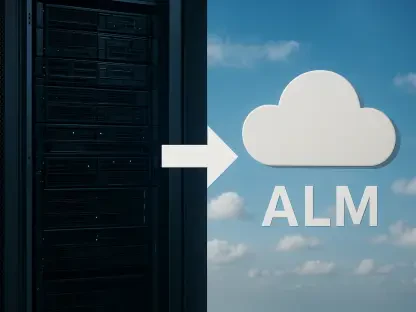

The shift from labor-intensive implementation models toward asset-led modernization is redefining how global companies approach their cloud migration strategies. As organizations navigate the complexities of digital transformation in 2026, the demand for integrated platforms that do more than just host data has skyrocketed. LTM has responded to this need by launching BlueVerse ValueMesh, a sophisticated solution designed specifically to scale artificial intelligence within the Oracle Cloud ecosystem. This strategic rollout aims to weave domain-specific AI models and automated intelligence directly into the fabric of core Oracle workflows. By moving beyond traditional enterprise resource planning paradigms, this framework bridges the significant gap between static legacy systems and the dynamic world of cognitive computing. The focus is no longer on simple lift-and-shift operations but on embedding agentic AI capabilities and robust governance frameworks into the business processes that drive global commerce today. This shift reflects a broader maturation of the industry where intelligence is a built-in feature.
Cognitive Architecture: Bridging ERP and Intelligence
The core of this technological leap lies in the integration of specialized AI agents that operate with a high degree of autonomy and precision within Oracle environments. Unlike previous iterations of cloud software, BlueVerse ValueMesh utilizes proprietary architecture to ensure that machine learning models are not isolated silos but are instead fully functional components of the enterprise resource planning structure. This level of integration allows for real-time data processing and decision-making that significantly enhances operational agility for large-scale organizations. By leveraging existing AI infrastructures, the platform provides a foundation for agentic governance, ensuring that automated systems remain compliant with evolving international standards. This approach naturally leads to a more cohesive digital strategy where every automated interaction is tracked, audited, and optimized for performance. Consequently, the transition to the cloud becomes an opportunity to overhaul the entire cognitive capacity of the business, enabling a more responsive and intelligent operating model.
Furthermore, the emphasis on asset-led modernization represents a departure from the consultant-heavy methodologies that once dominated the IT services landscape. By utilizing pre-built accelerators and specialized code repositories, the platform reduces the time-to-value for companies migrating to Oracle Cloud, allowing them to bypass the traditional hurdles of manual configuration and custom development. This method utilizes proven blueprints to handle the intricate nuances of financial systems, supply chain logistics, and human capital management. The result is a substantial reduction in migration timelines and a corresponding increase in operational resilience. Industry observers have noted that as enterprises transition from small-scale experimental pilots to comprehensive execution, the reliance on these platform accelerators becomes a critical differentiator in vendor selection. The ability to demonstrate tangible outcomes through automated intelligence provides a clear advantage in a competitive market, where speed and reliability are the primary currencies of success.
The successful deployment of such integrated systems ultimately hinged on the ability of stakeholders to embrace a proactive stance toward technological change. To fully realize the benefits of this modernization, leadership teams focused on aligning their organizational culture with the new capabilities of agentic AI and automated workflows. The move away from static databases toward dynamic, AI-driven ecosystems required a fundamental shift in how human talent interacted with machine intelligence. Practical next steps involved conducting thorough assessments of existing data maturity and identifying specific business units where automated agents could provide the most immediate value. Organizations that prioritized these strategic evaluations found themselves better positioned to navigate the complexities of the current market. By treating the cloud migration not as a destination but as a continuous evolution of intelligence, companies secured a significant competitive edge. The lessons learned from these implementations demonstrated that the intersection of ERP and AI is where future operational excellence is truly defined.