
The rapid evolution of global security threats has forced a fundamental reconsideration of how military digital infrastructure is deployed and maintained across diverse operational theaters. The Department of Defense is currently undergoing a massive transformation, moving away from a legacy model of single-vendor cloud reliance toward the more flexible Unified Cloud Marketplace. Managed by the Defense Information Systems Agency, this new framework is designed to dismantle traditional vendor lock-in by fostering a competitive and modular environment. Instead of a one-size-fits-all approach, the military now prioritizes a system that can scale seamlessly from routine office administration to high-intensity combat operations in real-time. This strategic shift ensures that the armed forces are never tethered to outdated technology, allowing for the rapid integration of emerging digital tools. By adopting this marketplace model, the Pentagon is building a resilient backbone capable of supporting a truly modern, data-driven fighting force.
Diversifying the Vendor Landscape
The Three-Tiered Marketplace Structure: Tiers 1 and 2
The foundation of the Unified Cloud Marketplace is built upon a sophisticated three-tiered hierarchy that allows the military to engage with a broad spectrum of the technology sector simultaneously. Tier one is composed of global hyperscale providers who offer the massive computing power and physical infrastructure required for large-scale enterprise tasks and global data storage. These companies provide the reliable, heavy-duty processing capabilities that serve as the bedrock for the military’s global logistics and communications networks. Following this, tier two focuses on specialized software and infrastructure services that provide niche capabilities tailored to specific departmental needs. This tier allows for the integration of high-performance analytics, advanced cybersecurity protocols, and bespoke database management systems that may not be the primary focus of larger hyperscale firms. By separating these capabilities, the defense community can ensure that every mission has access to the most effective tools.
Implementation. Step 1: Integrating Small Business Innovation
A critical component of this structural overhaul involves creating a clear and accessible pathway for small businesses and nontraditional defense contractors to contribute to national security. In the past, the high cost of entry and the complexity of federal acquisition regulations often prevented agile startups from offering their innovations to the Department of Defense. The new marketplace framework addresses this by establishing tier three, which is specifically designed to facilitate the rapid adoption of commercial-off-the-shelf technologies. This allows the military to tap into the fast-paced world of commercial research and development, where breakthroughs in encryption, artificial intelligence, and edge computing happen daily. By lowering these barriers, the Pentagon ensures that it can harness the creative energy of the private sector to solve complex tactical problems. This inclusivity not only strengthens the defense industrial base but also provides a constant influx of fresh perspectives.
Powering Operations at the Front Lines
The Challenge: Survivability at the Tactical Edge
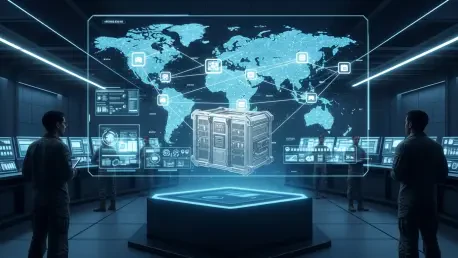
Maintaining digital superiority requires more than just high-capacity data centers located in safe domestic environments; it demands computing power that survives at the tactical edge. The current marketplace prioritizes the deployment of ruggedized, portable hardware that brings cloud-level processing directly to frontline units operating in austere or disconnected settings. These mobile data centers are designed to travel with troops, allowing them to run sophisticated situational awareness software without a persistent connection to a central server. This capability is essential for operations in environments where enemy electronic warfare or geographic isolation might disrupt traditional satellite links. By processing data locally, commanders can make split-second decisions based on real-time intelligence feeds from drones and ground sensors. This localized approach minimizes the latency that often delays critical information, ensuring that the cloud remains a functional asset in any terrain.
Part 2: Artificial Intelligence and Autonomous Synchronization
The integration of artificial intelligence within this unified framework provides a significant force multiplier by enabling autonomous data analysis and rapid threat detection. These AI models are initially developed and trained in the large-scale tier-one environments but are subsequently optimized for deployment on lightweight hardware at the tactical edge. This allows for the intelligent filtering of vast amounts of sensor data, ensuring that only the most relevant information is transmitted over constrained communication channels. Moreover, the marketplace encourages the development of software that can synchronize data across multiple platforms automatically, creating a unified operational picture for joint forces. This synchronization is vital for coordinating complex maneuvers involving air, land, and sea assets in a multi-domain theater. By leveraging these advanced algorithms, the military can reduce the cognitive load on human operators while increasing the speed and accuracy of target engagement.
Future Readiness Through Strategic Digital Integration
Future readiness was secured through the deliberate implementation of standardized data protocols that allowed disparate systems to communicate without manual intervention. Military leaders successfully navigated the complexities of this transition by prioritizing technical interoperability and establishing rigorous security standards for all marketplace participants. This proactive approach ensured that the defense infrastructure remained resilient against evolving cyber threats while simultaneously fostering a culture of innovation across the entire force. Stakeholders invested heavily in training programs designed to enhance the digital fluency of personnel, ensuring they could effectively utilize the modular tools provided by the new marketplace. The decision to move away from rigid, long-term contracts proved instrumental in keeping pace with the rapid cycle of commercial technology development. By creating a transparent and competitive environment, the Department of Defense established a sustainable model for digital procurement.