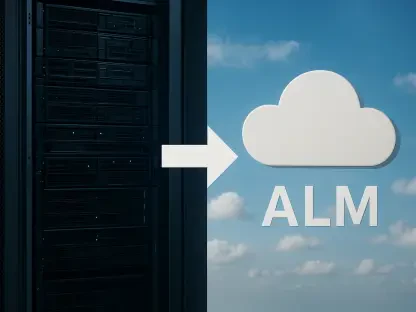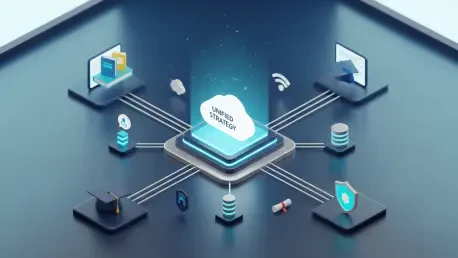

The rapid proliferation of digital learning tools has fundamentally altered the structural makeup of K-12 educational environments, creating a complex web of interconnected cloud services. Most school districts did not set out to build a multicloud architecture; rather, they arrived at this destination through years of incremental software adoption and decentralized decision-making processes. From identity management systems and virtual classrooms to niche applications funded by specific state grants, the modern school district now operates across a fragmented landscape that often lacks a cohesive management framework. This “accidental” growth has left many IT departments struggling to maintain oversight as student data and instructional resources are scattered across various platforms. Without a deliberate strategy to unify these disparate systems, the benefits of digital transformation are frequently overshadowed by administrative friction and an increased risk of technical debt that can hinder future innovation.
Moving toward a more intentional management model requires a shift from reactive troubleshooting to proactive governance and centralized strategic planning. While the availability of diverse cloud tools offers incredible opportunities for personalized learning and administrative efficiency, the resulting “tool sprawl” presents significant challenges regarding cost sustainability and cybersecurity. Success in the current educational climate depends on the ability of administrators to implement a rigorous framework that emphasizes absolute visibility and long-term accountability. By auditing the existing infrastructure and evaluating the pedagogical value of every platform, districts can begin to reclaim control over their digital ecosystems. This process is not merely about technical consolidation; it is about ensuring that every investment in cloud technology directly contributes to the instructional mission of the school while maintaining a secure and fiscally responsible environment.
Establishing Visibility and Control
Inventory Management and Shadow IT
The successful execution of any multicloud strategy begins with the development of a comprehensive and unified inventory that accounts for every digital asset within the district. IT leaders are often surprised to discover the sheer volume of services running in the background, many of which may have been procured by individual departments without central oversight. A robust inventory system must go beyond a simple spreadsheet of software names; it should meticulously categorize every provider by service type—including Software as a Service (SaaS), Infrastructure as a Service (IaaS), and Platform as a Service (PaaS). By linking each resource to a specific business owner and a documented educational purpose, the district can establish a clear chain of accountability. This mapping is also essential for understanding how data flows between different systems, which is a prerequisite for protecting sensitive student information and ensuring that all integrations remain functional as platforms evolve.
Despite the best efforts of central IT offices, “Shadow IT” remains a persistent challenge in the K-12 sector as educators seek immediate solutions to classroom needs. Teachers and administrators often implement their own specialized applications or cloud storage solutions without undergoing the standard vetting process, creating invisible security gaps and potential compliance violations. To regain control, districts are increasingly turning to automated discovery tools and analyzing single sign-on logs to uncover hidden software usage. Monitoring network traffic patterns can also reveal unauthorized cloud connections that might otherwise go unnoticed for months. Once these tools are identified, it is critical to implement a formal request and approval process that provides a clear path for adopting new technology. This structured approach ensures that any new software meets strict data privacy standards and prevents the district from paying for redundant services that offer identical functionality.
Centralized Monitoring and Resource Mapping
Establishing visibility is a continuous operational requirement that demands real-time monitoring capabilities to ensure that the district’s cloud footprint remains manageable. Beyond the initial inventory, IT teams must implement systems that provide a “single pane of glass” view into the performance and health of diverse cloud environments. This level of oversight allows administrators to see exactly how resources are being utilized across different schools and departments, making it easier to identify performance bottlenecks or unused accounts. Mapping these resources to specific educational outcomes helps the district justify technology expenditures to school boards and taxpayers. When every cloud-based service is clearly tied to a measurable goal, such as improving literacy rates or streamlining payroll, the IT department can transition from a cost center to a strategic partner that drives the district’s mission forward through data-informed decisions.
The integration of these disparate cloud services also requires a deep understanding of application program interfaces (APIs) and how they facilitate the exchange of information. Without a central map of these connections, a single update to one platform can cause a cascade of failures across the entire ecosystem, disrupting classroom instruction and administrative workflows. By documenting these interdependencies, IT staff can perform more effective risk assessments and plan for system maintenance without causing widespread outages. This proactive mapping also simplifies the onboarding and offboarding processes for students and staff, as the district can automate how permissions are granted across multiple clouds based on a single source of truth. Ultimately, a well-mapped multicloud environment provides the flexibility to adapt to new instructional trends while maintaining the structural integrity of the district’s technological foundation.
Strengthening Security and Governance
Unified Policy Enforcement
Maintaining a consistent security posture across multiple cloud providers is an inherently complex task because each platform utilizes its own unique management interfaces, security protocols, and terminology. This fragmentation often leads to configuration errors where a setting that is secure in one environment might be left vulnerable in another, creating an inconsistent defense that savvy cybercriminals can easily exploit. To mitigate these risks, districts must adopt standardized baseline controls that are aligned with recognized security frameworks such as the Multi-State Information Sharing and Analysis Center (MS-ISAC) guidelines. By establishing a set of non-negotiable security requirements for all cloud vendors, IT teams can ensure that encryption, patching cycles, and backup protocols are applied uniformly regardless of which platform is being used. This standardization reduces the complexity for the technical staff and creates a predictable security environment for all users.
Modern security in the K-12 space has shifted toward an identity-first approach, where the focus is on verifying the user rather than just securing the network perimeter. Implementing Single Sign-On (SSO) and Multi-Factor Authentication (MFA) across all cloud applications is no longer optional; it is a fundamental requirement for protecting sensitive student and personnel data. These tools allow districts to enforce role-based access controls, ensuring that individuals only have access to the specific data and applications necessary for their roles. Furthermore, continuous logging and real-time monitoring are essential components of a robust governance strategy, as they allow IT teams to detect and respond to unauthorized access attempts or unusual data exfiltration patterns immediately. By centralizing these security logs, administrators can maintain a clear audit trail that is necessary for regulatory compliance and for conducting forensic investigations in the event of a potential security breach.
Compliance and Data Governance Standards
As legal mandates regarding student data privacy become increasingly stringent, K-12 districts must elevate their data governance strategies to ensure total compliance across all cloud platforms. Every provider in the multicloud ecosystem must be held to the same high standards for data handling, storage, and deletion, which requires a rigorous review of service level agreements and privacy policies. IT leaders should implement a data classification system that identifies which information is considered highly sensitive, such as health records or social security numbers, and ensures that this data is subject to the highest levels of encryption and restricted access. By conducting regular audits of cloud vendors, districts can verify that their partners are adhering to agreed-upon security standards and that no data is being shared with unauthorized third parties. This level of scrutiny protects the district from legal liability and builds trust with parents and the community.
Governance in a multicloud environment also involves managing the lifecycle of data to prevent “data rot” and unnecessary storage costs. Policies must be in place to define how long certain types of information are retained and the procedures for securely destroying data once it is no longer required for educational or legal purposes. When districts lack a clear data disposal strategy, they often end up paying for vast amounts of legacy information that serves no purpose and increases the “blast radius” in the event of a successful cyberattack. Establishing clear governance committees that include representatives from curriculum, finance, and legal departments ensures that technology decisions are made with a full understanding of the district’s broader goals and obligations. This collaborative approach to governance ensures that cloud security is not just an IT problem, but a district-wide priority that safeguards the digital integrity of the entire learning community.
Optimizing Costs and Consolidation
Financial Responsibility and Contract Management
Cloud expenditures in large school districts can quickly become opaque when various departments manage their own budgets or when software is purchased using non-recurring federal or state grants. To achieve a high level of fiscal transparency, IT leaders should implement a sophisticated tagging system that tracks every cloud-related expense by building, department, and specific funding source. This granular level of data allows for more accurate budget forecasting and prevents the “bill shock” that occurs when introductory rates expire or when usage exceeds initial estimates. Furthermore, automated alerts should be set up to notify administrators well in advance of contract renewal dates, giving the district ample time to evaluate the tool’s effectiveness before committing to another year of service. This proactive financial management is essential for ensuring that limited educational funds are being directed toward the most impactful technological resources.
Districts must also be extremely vigilant regarding how enrollment fluctuations and changing student populations impact their cloud-related licensing and storage costs. Since many cloud contracts are priced based on the number of users, entering into long-term agreements without “sliding scale” provisions or flexible licensing models can lead to significant financial waste if enrollment numbers drop. It is also important to regularly review usage data to identify underutilized licenses or applications that have been largely abandoned by teachers and students in favor of newer tools. By identifying these redundancies, administrators can enter contract negotiations with the data needed to downsize agreements or consolidate services under a more favorable pricing structure. Negotiating “most favored nation” clauses or seeking volume discounts through regional purchasing cooperatives can also help districts stretch their technology budgets further in a multicloud world.
Evaluating the Need for Consolidation
The decision between maintaining a diverse multicloud portfolio or consolidating into a single ecosystem involves a careful analysis of operational trade-offs and instructional requirements. While a multicloud approach avoids vendor lock-in and allows a district to use “best-in-class” tools for specific specialized tasks, it also significantly increases the “cognitive load” on IT staff who must master multiple management consoles and policy frameworks. Consolidation is often the most strategic move for smaller districts with limited personnel, as it simplifies the technical infrastructure and reduces the number of potential entry points for cyber threats. By standardizing on a primary ecosystem, such as Google Workspace or Microsoft 365, districts can streamline professional development for staff and reduce the friction that students experience when switching between different learning platforms and file storage systems.
Ultimately, the goal of any cloud strategy should be to transition from an accidental state of fragmentation to an intentional model where every digital tool serves a documented instructional purpose. Consolidation should be pursued when redundant applications are found, or when the operational cost of managing a specific cloud outweighs the educational benefit it provides. However, even in a consolidated environment, there will often be a need for specialized “best-of-breed” applications for areas like special education or advanced career and technical training. The key is to ensure that these secondary clouds are fully integrated into the district’s primary identity and security framework to maintain a seamless user experience. By prioritizing visibility, rigorous cost review, and a focus on instructional value, school leaders can ensure that their technology investments are sustainable, secure, and directly supportive of improved student learning outcomes.
Strategic Evolution of Educational Infrastructure
The transition from an unmanaged, accidental multicloud environment to a strategically governed infrastructure represents a critical evolution for modern K-12 districts. This shift required a fundamental change in how IT leaders viewed their roles, moving away from simple technical support toward comprehensive asset management and strategic planning. By establishing a unified inventory and uncovering hidden software, districts successfully mitigated the risks associated with shadow IT while ensuring that every digital tool remained compliant with rigorous student privacy laws. These efforts provided the necessary foundation for a more resilient digital landscape, where technology served as an invisible but powerful support for the educational mission rather than a source of administrative frustration. The implementation of standardized security protocols and identity-first access controls further solidified this foundation, protecting sensitive data across all platforms regardless of the specific service provider.
Looking toward the future, the lessons learned from managing multicloud complexities will be essential for navigating the next wave of technological integration. Districts should now focus on refining their data analytics capabilities to gain deeper insights into how specific cloud tools correlate with student achievement and engagement levels. This data-driven approach will enable even more precise budget allocations and allow for the continuous optimization of the digital portfolio based on actual performance metrics. Furthermore, as inter-district collaboration increases, there was a growing opportunity to share governance best practices and participate in collective bargaining for cloud services to further reduce costs. The ultimate success of a multicloud strategy lies in its ability to remain flexible and scalable, allowing districts to adopt new innovations without compromising their security or financial stability. By maintaining a culture of intentionality and continuous review, educational leaders ensured that their digital infrastructure remained a reliable bridge to better learning outcomes.