
The rhythmic pulse of Los Angeles depends entirely on the seamless operation of the Metro Rail and bus systems which transport hundreds of thousands of commuters through the sprawling urban landscape every single day. When state-sponsored actors from Iran set their sights on this critical infrastructure, the objective extends far beyond simple digital mischief or data theft. These operations represent a calculated form of psychological warfare designed to demonstrate that the essential services of a global superpower remain vulnerable to remote disruption. By targeting the transit network of the second-largest city in the United States, adversaries aim to instill a sense of insecurity among the civilian population while testing the response capabilities of domestic law enforcement and federal agencies. The complexity of modern transit systems, which rely on a delicate interplay between physical machinery and cloud-based management software, creates a broad attack surface that is inherently difficult to monitor and protect against persistent threats.
Strategic Intent: Transportation as a Geopolitical Target
Iranian cyber groups, such as those associated with the Islamic Revolutionary Guard Corps, have increasingly prioritized American municipal infrastructure as a primary theater for their operations. This shift reflects a strategic pivot away from traditional espionage toward more disruptive activities that can be executed with plausible deniability. Los Angeles serves as a particularly high-profile target because of its symbolic status as a global hub for culture and commerce, ensuring that any significant service interruption receives immediate international media attention. For the hackers, the goal is often to create a gray zone conflict where the damage is significant enough to cause social frustration but remains just below the threshold of a conventional act of war. This allows the Iranian state to project power on the global stage despite facing heavy economic sanctions. The disruption of a major transit line or the locking of a fare payment system acts as a loud signal that the domestic front is not entirely secure.
Beyond the immediate tactical goals, these intrusions serve as reconnaissance missions to map the interconnected nature of Southern California’s essential services. When hackers infiltrate the Los Angeles County Metropolitan Transportation Authority, they gain valuable insights into the power grids, communication networks, and emergency response protocols that support the transit lines. This intelligence is invaluable for future operations that might require more coordinated or destructive capabilities during times of heightened international tension. The persistent nature of these threats suggests that Iranian actors are playing a long game, slowly embedding themselves within the digital architecture of the city to ensure they can strike at a moment of their choosing. This strategy creates a constant pressure on cybersecurity teams who must defend a massive network against an adversary that only needs to find one unpatched server or distracted employee. The psychological impact of knowing that a foreign power can potentially halt the morning commute is a powerful tool.
Systemic Resilience: Strengthening Metropolitan Defense
The technical reality of public transit makes it an attractive target due to the reliance on legacy systems that were never originally designed for the hyper-connected environment of today. Many control systems for rail signals and power distribution use specialized protocols that lack the robust encryption found in modern corporate networks. When these aging technologies are linked to modern, internet-facing applications like real-time passenger tracking or automated fare collection, a bridge is inadvertently built for hackers to cross into sensitive operational environments. Iranian groups have demonstrated a keen ability to exploit these specific vulnerabilities by using customized malware designed to bypass standard perimeter defenses. They often employ credential harvesting and phishing campaigns to gain a foothold in the administrative side of the organization before pivoting deeper into the critical infrastructure controls. This lateral movement is particularly dangerous because it allows the attackers to hide within the network for months.
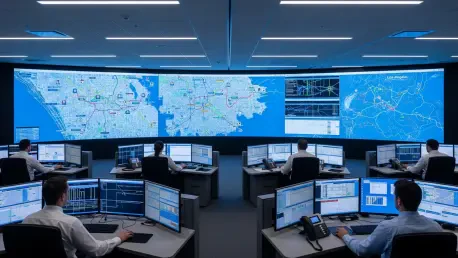
Building on the lessons learned from these digital incursions, protecting the mobility of the city required a shift toward a Zero Trust security model, where no user or device was granted access to the network without continuous verification. This architectural change proved essential for isolating critical rail control systems from the more vulnerable public-facing services like the TAP card payment gateway. By implementing granular micro-segmentation, the transit authority was able to ensure that even if a hacker gained access to a passenger information display, they could not move laterally into systems governing track safety or train speed. Additionally, the establishment of a dedicated regional cyber fusion center allowed for real-time information sharing between Los Angeles agencies and federal partners. These collaborative efforts provided the necessary threat intelligence to anticipate Iranian tactics before they manifested into service disruptions. Investing in automated threat-hunting tools also became a priority.