
The decision by the RIPE Network Coordination Centre to abandon its long-standing cloud-first strategy marks a significant turning point for the governance of European internet infrastructure. This strategic pivot is not merely a technical adjustment but a fundamental response to the growing complexities of global digital geopolitics and the inherent risks of relying on external service providers. By prioritizing physical sovereignty, the organization aims to insulate the critical functions of the internet registry from external political pressures and the potential vulnerabilities associated with large-scale American cloud providers. This shift signifies a broader trend among major regional internet registries to reclaim direct control over their operational environments, ensuring that the foundational elements of the web remain under local jurisdiction and oversight. Such a move is essential for maintaining the stability and neutrality of the internet in an era where data residency and infrastructure control have become central to national security and regional policy.
Moving Toward Regional Independence and Resiliency
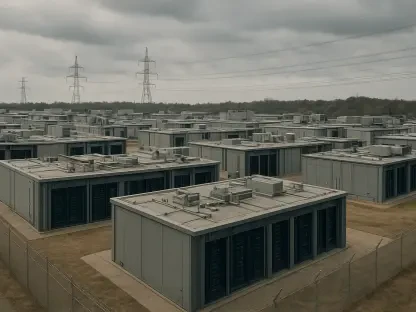
To realize this vision of independence, the organization is embarking on an ambitious ground-up reconstruction of its technical ecosystem, a process commonly referred to as a greenfield deployment. This initiative is scheduled for completion by 2028 and serves as the cornerstone of the transition toward a more resilient and self-contained operational framework. By building a new system from scratch rather than attempting to patch existing cloud-based services, the technical teams can implement modern security standards and redundancy protocols that are specifically tailored to the unique requirements of a regional internet registry. This approach allows for a clean break from legacy dependencies and provides an opportunity to design a network that is optimized for long-term stability rather than short-term convenience. The project emphasizes the creation of a robust infrastructure that can withstand global disruptions while providing the same level of performance members expect.
A significant hurdle in this transition is the necessity of addressing years of deferred investment in physical hardware, a challenge often described in the technology industry as technical debt. For many years, the convenience and scalability of the cloud allowed for the prioritization of operational flexibility over the acquisition of tangible assets, leading to a gap in the organization’s on-site capabilities. To bridge this divide, a substantial investment of approximately €5 million has been allocated to overhaul servers, storage arrays, and networking equipment. This financial commitment represents a major shift from operational expenses toward capital expenditures, reflecting a long-term commitment to owning the means of production for digital services. By upgrading these systems, the technical roadmap ensures that the infrastructure is not only modern but also capable of supporting the increasing volume of registry transactions and security requirements that define the current internet landscape.
Managing Financial Realities and Future Sovereignty
The financial implications of building a sovereign infrastructure have triggered a vigorous debate among the organization’s diverse membership concerning the most equitable way to distribute these rising costs. Recently, a proposal was introduced that suggested a tiered charging scheme, which would have adjusted membership fees based on the volume of resources utilized, effectively lowering the financial burden for approximately 74 percent of the members. However, this proposal faced stiff resistance and was ultimately defeated during a general meeting, revealing a complex set of priorities within the community. The rejection of this model demonstrates a strong preference among many members for a flat-fee structure, where every participant pays an equal amount regardless of their size or resource consumption. This collective decision highlights a deep-seated commitment to a communal model of participation, even when such a model presents challenges for funding the large-scale capital investments required for physical sovereignty.
Looking back at the initial phases of this transition, the focus shifted toward refining the implementation strategy for the sovereign infrastructure while maintaining a constant dialogue with the membership base. This approach allowed for the exploration of alternative revenue streams and cost-saving measures that did not compromise the technical integrity of the greenfield deployment. It was also vital to establish a clear set of milestones that demonstrated the tangible benefits of the transition, such as improved system performance and enhanced data security, which helped maintain member support. Furthermore, the organization considered developing standardized protocols for physical hardware management that could be shared with other regional registries, fostering a collaborative approach to physical sovereignty. By documenting the lessons learned during this transition, the entity provided a roadmap for others facing similar geopolitical and technical challenges, ensuring that future internet governance remained secure.