
The architectural complexity of modern cloud-native environments has reached a tipping point where manual intervention is no longer a viable strategy for maintaining system health or optimizing operational costs. Industry data reveals that a staggering percentage of Kubernetes clusters suffer from
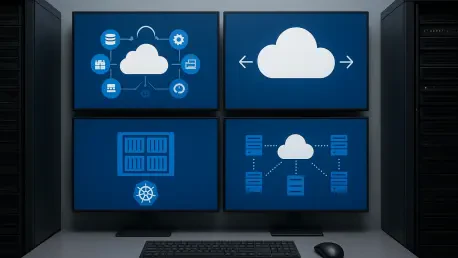
The transition toward complex container orchestration has reached a tipping point where operational debt finally demands full repayment. For years, the rapid adoption of cloud-native technologies was viewed as a catalyst for business agility, allowing companies to scale services with speed.

Bridging the gap between energy efficiency and operational uptime remains a primary hurdle for operators facing the rapid surge of computational power demand. This challenge has intensified as legacy infrastructure struggles to keep pace with the power-hungry requirements of modern processing

An organization loses control of its cloud environment the moment it fails to govern the surfaces of API authorization and resource configuration state. In the current technological landscape of 2026, the transition from local data centers to cloud-native environments has fundamentally shifted the

The shift to certification classes A through D imposes scaled security obligations that become progressively more rigorous depending on the specific tier. This landmark regulatory overhaul introduced on June 25, 2026, marks a definitive departure from the legacy Rev5 framework that governed the

Standardized inventory and real-time topology mapping allow teams to visualize the ripple effects of a change or failure across the entire infrastructure stack. This shift marks a departure from the historical reliance on siloed management tools that often hindered fast response times. As