
The conventional cloud landscape has undergone a radical transformation as the insatiable appetite for massive computational resources moves beyond the capabilities of general-purpose data centers. In the current 2026 market, the transition from central processing units to graphics processing units

The deployment of containerized applications via OpenShift provides the necessary flexibility for integrating future innovations like artificial intelligence into public services. This strategic shift represents a massive undertaking for Urssaf, the organization responsible for collecting social
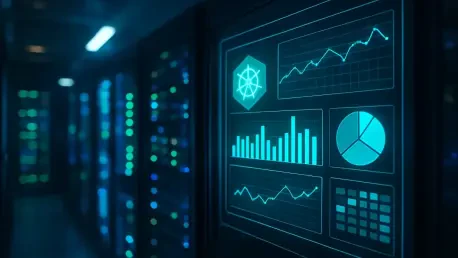
A standard Kubernetes monitoring architecture separates metric collection, visualization, and alert routing into distinct logical components for better operational management. In the fast-moving cloud-native landscape of 2026, where distributed systems exhibit increasingly complex behavior, the
Intelligent workload distribution ensures that complex creative reasoning and simple data sorting are not competing for the same high-cost frontier model resources. This realization has become the cornerstone of enterprise strategy as the initial enthusiasm for generative artificial intelligence

Detecting malicious behavior within Amazon Bedrock environments requires a nuanced analysis of behavioral anomalies that differ from traditional network-based intrusion patterns. As enterprise adoption of generative AI reaches a fever pitch, a sophisticated new breed of cybercrime has emerged,
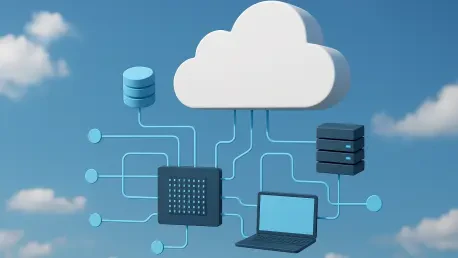
Rick Geneva's career began in the U.S. Air Force repairing electronics before he transitioned into leading engineering teams through five major innovation cycles. This trajectory allowed him to witness the shift from early networking to the sophisticated AI-driven infrastructure that defines the

The launch of a software-defined interconnect service marks a shift from physical circuit management to an on-demand experience built on standardized Open API specifications. For years, architects struggled with the latency and administrative overhead of backhauling traffic through traditional data
The escalating sophistication of autonomous artificial intelligence agents has forced a radical rethink of how modern cloud providers isolate untrusted code within their production environments. As 2026 marks a pivotal moment for infrastructure resilience, the traditional approach of security by

Securing the AI lifecycle involves a specialized synthesis of intelligence, automation, and governance to protect against modern digital threats. As enterprises accelerate their adoption of generative models and large-scale data processing, the surface area for potential exploitation expands beyond

By targeting the human element of security, attackers successfully infiltrated Apollo’s infrastructure and compromised sensitive information between July 6 and July 10. The breach highlighted a critical vulnerability that exists even within the most sophisticated digital ecosystems: the


