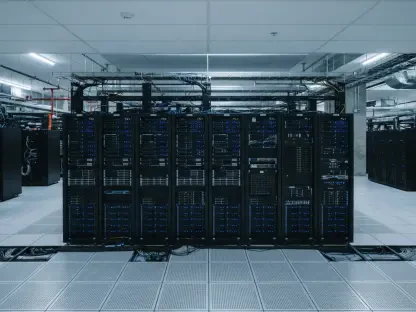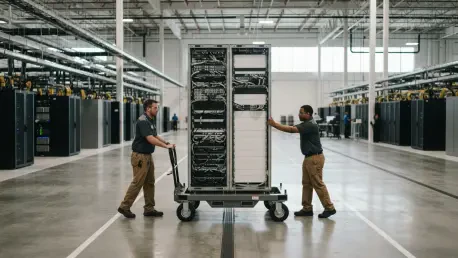

The recent shift in the Prime Day calendar created a four-hundred-basis-point drag on retail growth, yet Amazon’s overall profitability reached historic highs. This performance signifies a profound metamorphosis for the Seattle-based enterprise, which has successfully pivoted from its traditional e-commerce roots toward a future defined by cloud computing and artificial intelligence. The primary catalyst for this shift is Amazon Web Services, a division that has moved beyond its phase of steady expansion into an era of high-velocity growth. In the third quarter, AWS reported a staggering 39% year-over-year revenue increase, reaching nearly $46 billion. This acceleration is not a fluke but the result of a strategic long-term bet on generative AI and enterprise-scale data management. By leveraging its dominant market position, Amazon has effectively insulated itself from the volatility of consumer spending cycles, transforming into a technology powerhouse where high-margin services dictate the bottom line.
Maximizing Operational Efficiency and Hardware Innovation
Strategies for Internal Growth: Beyond Retail Boundaries
Amazon’s ability to maintain upward momentum in a complex economic climate is rooted in its rigorous focus on operational discipline. The company achieved a record-breaking consolidated operating margin of 13.9%, a feat that seemed improbable during the heavy expansion years of the early 2020s. This margin expansion allowed operating income to surge by more than 61% to over $28 billion, reflecting a business model that is becoming increasingly efficient as it scales. By streamlining fulfillment networks and optimizing regional logistics, the retail side of the business has become a reliable generator of cash that can be funneled into high-growth technology projects. This structural efficiency ensures that the company remains resilient even when facing short-term headwinds, such as fluctuations in the global shipping market or shifts in holiday shopping schedules. The result is a diversified conglomerate that no longer relies on a single seasonal event to satisfy investor expectations.
Custom Silicon: The New Competitive Moat
The evolution of the cloud division is increasingly tied to its success in the semiconductor industry, specifically through the development of proprietary chips. The company’s Graviton and Trainium lines have moved from niche experimental projects to central pillars of the AWS ecosystem, offering performance-per-watt benefits that off-the-shelf components struggle to match. In the most recent fiscal period, these custom silicon initiatives contributed to approximately $2 billion in cost savings for enterprise customers, making the platform more attractive than generic cloud providers. This vertical integration allows the organization to control the entire hardware and software stack, optimizing every layer for specific artificial intelligence workloads. As generative AI becomes more compute-intensive, the ability to provide specialized, cost-effective processing power becomes a critical differentiator. This strategy not only attracts new clients but also encourages existing ones to deepen their long-term loyalty to the platform.
Market Positioning and Infrastructure Challenges
Comparative Analysis: Evaluating the Competitive Landscape
Comparing the financial trajectory of Amazon with other tech giants like Alphabet reveals a significant divergence in how infrastructure growth is funded. While Alphabet reported impressive growth for its cloud services, its reliance on equity issuance and a lower free cash flow profile creates a different risk profile for long-term investors. In the most recent reporting cycle, Alphabet faced challenges with shareholder dilution, whereas Amazon saw its operating cash flow rise by nearly 20% to exceed $42 billion. This difference is crucial because it highlights Amazon’s ability to fund its massive data center expansions through internal operations rather than by tapping external markets or diluting existing shares. For a company aiming for a trillion-dollar revenue mark, the ability to self-fund growth is a massive strategic advantage. It allows for faster execution and more aggressive expansion during periods when competitors might be forced to scale back infrastructure spending to protect cash reserves.
Future Infrastructure: Navigating Capex and AI Demand
Leadership mitigated long-term concerns by highlighting high visibility into customer capacity commitments that extended well into 2029. This forward-looking data suggested that the current wave of infrastructure spending was closely aligned with actual enterprise needs rather than speculative trends. For those navigating the tech landscape, the key takeaway was the importance of monitoring the transition of on-premises IT spending to the cloud, which still represented a massive untapped opportunity. Investors were encouraged to focus on the sustained acceleration of AWS as the primary indicator of the firm’s valuation potential. By the end of the fiscal cycle, the organization proved that its internal growth engine was robust enough to absorb the costs of AI innovation while maintaining record profitability. The strategic shift toward custom silicon and high-margin software services provided a clear roadmap for achieving a trillion-dollar revenue target, provided that current infrastructure investments remained productive.