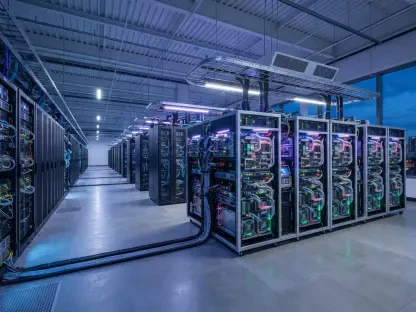

Scaling massive machine learning models requires more than just raw silicon; it demands a seamless orchestration between hardware acceleration and the underlying operating system environment. As the demand for generative artificial intelligence and large-scale data processing continues to surge from 2026 to 2028, enterprises are increasingly looking for ways to reduce the friction between complex hardware and software. The collaboration between Canonical and Google Cloud represents a significant milestone, as they have officially launched a certified version of Ubuntu specifically optimized for Google Cloud Tensor Processing Units. This partnership ensures that developers can leverage the full potential of specialized AI hardware while benefiting from the stability of the world most popular Linux distribution. By providing a pre-validated environment, both companies are effectively removing traditional barriers to entry for high-performance computing in the cloud today across every industry.
Optimizing High Performance Infrastructure: Hardware and Software Synergy
Technical Alignment: Kernel and Driver Integration
The technical core of this integration involves a specialized Ubuntu kernel that is meticulously tuned for the unique architecture of Tensor Processing Units. Unlike general-purpose CPUs, TPUs require low-latency communication between the operating system and the hardware matrix to sustain peak performance during intensive training loops. This certified Ubuntu release includes specific driver packages and kernel modules that have been validated to work out of the box with Google Cloud entire TPU lineup. Such deep integration ensures that memory management and scheduling are handled with the precision necessary for massive parallelization. Consequently, engineering teams no longer need to spend weeks manually patching kernels or debugging driver conflicts that often arise when using non-certified operating systems on high-end silicon. This optimization translates directly into higher throughput for neural network training and more predictable latency for real-time inference tasks everywhere.
Efficiency Gains: Streamlining the Machine Learning Lifecycle
Beyond the kernel level, the certification extends to the broader software ecosystem, providing a stable foundation for the most widely used machine learning frameworks like JAX, PyTorch, and TensorFlow. Developers can utilize pre-configured Ubuntu images that come with the necessary libraries and environment variables pre-installed, drastically shortening the time from initial setup to model training. This streamlined workflow is particularly beneficial for organizations that operate in hybrid or multi-cloud environments, as it offers a consistent operational experience regardless of the scale. Furthermore, the availability of these certified images on the Google Cloud Marketplace allows for rapid deployment via automated orchestration tools. This shift enables data science teams to focus on algorithmic innovation rather than infrastructure maintenance. By standardizing the environment, firms reduce the risk of environment-specific bugs that can derail projects and inflate costs at scale.
Enterprise Readiness: Security and Long Term Support Standards
Robust Security: Managing Vulnerabilities in AI Environments
Security remains a paramount concern for enterprises deploying sensitive intellectual property and vast datasets into the cloud. The certified Ubuntu images for TPUs are backed by Canonical commitment to long-term support and rapid security patching, ensuring that vulnerabilities are addressed promptly. Organizations can take advantage of Ubuntu Pro features, which include expanded security coverage for open-source libraries and compliance tooling designed for strictly regulated industries. This enterprise-grade support model is essential for maintaining the integrity of AI pipelines that process proprietary data. By utilizing a certified OS, companies can more easily meet audit requirements and adhere to internal governance policies regarding software provenance. The stability provided by a long-term support lifecycle means that infrastructure can remain in production for years without the need for disruptive upgrades. This level of reliability is a prerequisite for moving AI to business successfully.
Strategic Implementation: Future Proofing Cloud Operations
The launch of this partnership provided a clear roadmap for organizations that sought to maximize their investment in specialized AI hardware while maintaining a secure and predictable software stack. IT leaders recognized that the certification minimized technical debt and allowed for more aggressive scaling of machine learning initiatives. Moving forward, the most effective strategy involved integrating these certified images into existing continuous integration and deployment pipelines to ensure consistency across all development stages. Teams that adopted this standardized approach experienced fewer outages and more efficient resource utilization across their cloud fleets. By prioritizing a certified foundation, businesses successfully bridged the gap between raw compute power and operational excellence. The alignment between Canonical and Google Cloud established a new benchmark for how operating systems interacted with specialized accelerators. Experts recommended that firms audited their current environments today.