
Market reaction to the potential Samsung takeover was immediate, with Modine’s share price surging by more than 28% in after-hours trading following the initial reports. This sudden investor enthusiasm underscores the high stakes involved in the current evolution of data center cooling technology, which has moved from a niche industrial requirement to a central pillar of the artificial intelligence revolution. As Samsung Electronics explores a potential $5.6 billion acquisition of Modine Manufacturing, it signals a profound shift in how tech conglomerates view their own supply chains and the physical hardware that supports digital logic. Historically known for consumer electronics and semiconductor prowess, Samsung is now looking toward the foundational thermal management systems that prevent the world’s most powerful AI clusters from overheating. This strategic pivot reflects a maturing market where the ability to manage extreme heat is becoming just as valuable as the chips that generate it, creating a new paradigm for infrastructure investment and global tech leadership.
Examining Modine’s Explosive Growth and Strategy
The Massive Surge: Data Center Revenue
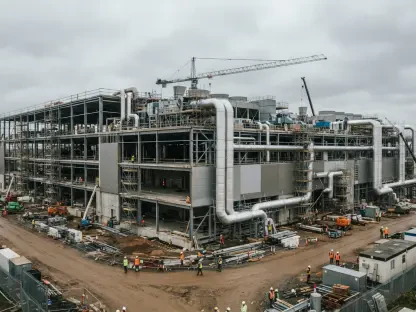
Modine’s financial trajectory has undergone a radical transformation, driven almost entirely by the insatiable demand for cooling solutions within the global data center market. Recent financial disclosures indicate that the company’s Data Centers segment has surged to become its primary engine of growth, witnessing a remarkable 95% increase in sales within the most recent fiscal period. This specific division now contributes nearly half of the firm’s total net sales, reaching figures that were unthinkable for a traditional industrial component manufacturer only a few years ago. Much of this explosive growth is concentrated among North American hyperscalers—the massive cloud service providers and AI developers who are currently racing to build out the physical infrastructure needed for generative AI. As these organizations deploy thousands of high-performance GPUs, the resulting thermal density requires advanced liquid and air cooling systems that Modine is uniquely positioned to provide, shifting the firm’s identity from a manufacturer to a tech partner.
Managing Operational Costs: Profit Margins
Despite the massive spike in revenue, Modine faces significant structural challenges related to scaling its operations to meet the unprecedented needs of the AI industry. The company’s gross margins have experienced compression of approximately 470 basis points, falling to 19.7% as it grapples with rising material costs, component shortages, and the complexities of international tariffs. While the order backlog remains at record levels, the high cost of meeting this robust demand suggests that a partnership with a global leader like Samsung could provide the necessary operational scale and capital to improve efficiency. For Modine, the challenge is no longer finding customers, but rather managing the logistical and financial burdens of a hyper-growth environment. By integrating with Samsung’s global supply chain and manufacturing expertise, the company could potentially stabilize its margins while continuing to expand its production capacity for specialized cooling units that are increasingly essential for the next generation of gigawatt-scale data centers.
Samsung’s Strategic Vision for Infrastructure
Historical Context: Major Samsung Acquisitions
Industry analysts view the potential Modine deal through the lens of Samsung’s 2016 acquisition of Harman for $8 billion, which at the time was the company’s largest entry into the automotive technology sector. Valued at roughly 71% of that landmark purchase, Modine represents a high-priority vertical integration opportunity for the South Korean conglomerate as it seeks to diversify its revenue streams away from the cyclical memory chip market. Samsung appears determined to move beyond merely manufacturing the semiconductors that power AI and into the foundational layers of the physical environment that makes such computing possible. This acquisition would follow a pattern of “big bet” investments designed to secure dominance in emerging tech ecosystems before they reach full maturity. By bringing thermal management in-house, Samsung can offer a more holistic package to data center operators, combining its advanced HBM4 memory chips with the cooling infrastructure required to run them at peak performance levels without failure.
Solving the AI Thermal Management Bottleneck
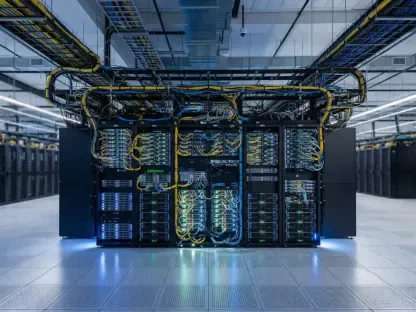
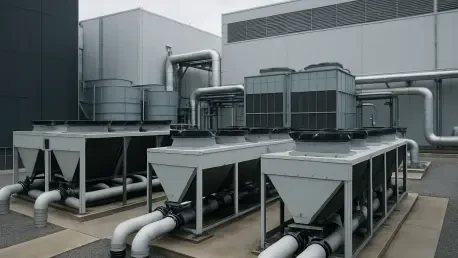
In the current AI “supercycle,” the primary constraint on growth is no longer just computing power, but the ability to manage the massive amounts of heat and electricity generated by high-density server racks. Every watt consumed by high-performance AI chips is eventually released as heat, making advanced cooling technology just as vital to the survival of the industry as the semiconductors themselves. By acquiring Modine, Samsung would effectively own a critical part of the physical infrastructure that keeps the global AI economy running, shifting from a supplier of digital components to a provider of structural stability. This move addresses the “electron bottleneck” where the physical limitations of data centers are slowing down the deployment of new models. As liquid cooling becomes the industry standard for cooling the hottest chips, owning the patents and production lines for these systems gives Samsung a competitive moat that rivals like Intel or TSMC currently lack, allowing the company to control both the heat source and the heat sink.
Broader Industry Impacts and Future Trends
Emerging Dominance: North American Hyperscalers
The growth in the cooling sector is heavily concentrated among massive cloud and AI service providers who are currently engaged in a cooling arms race to ensure their facilities can handle the next wave of neural network training. As these hyperscalers build larger and more efficient facilities, the demand for specialized thermal solutions continues to outpace supply, creating a seller’s market for companies like Modine. Samsung’s entry into this market would position it as a primary partner for the biggest names in the tech industry, allowing it to negotiate long-term contracts that provide revenue stability. The trend toward customized, proprietary cooling solutions means that hyperscalers are looking for partners who can innovate alongside them at the design stage. By integrating Modine’s engineering talent with Samsung’s vast R&D resources, the combined entity could set the standard for energy-efficient data centers, helping operators meet increasingly stringent environmental regulations while maximizing the computational output of their expensive hardware.
The Shift: Physical Inference Engineering
The potential merger between Samsung and Modine represented more than a simple corporate acquisition; it functioned as a strategic maneuver designed to secure a foothold in the foundational layer of AI infrastructure. For shareholders and industry observers, the outcome of these discussions offered a clear signal that the value in the tech sector had shifted from software and logic to the physical engineering required to maintain operational stability. While a formal agreement had not yet been finalized at the time of initial reports, the move highlighted Samsung’s ambition to expand its reach beyond memory chips and consumer electronics. The shift toward vertical integration suggested that companies must now focus on securing long-term supply chains for cooling and power management to remain competitive. Future considerations will likely revolve around how other semiconductor giants respond to this consolidation, as the physical constraints of heat and energy consumption continue to dictate the pace of global technological advancement and large-scale AI deployment.