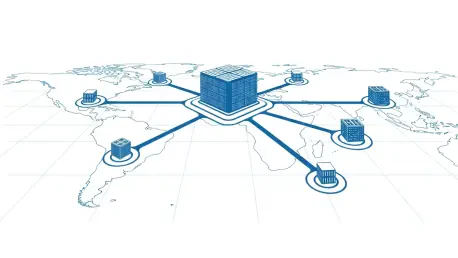

The rapid evolution of generative models has transformed the global digital landscape, turning traditional cloud data centers into relics that struggle to meet the power demands of modern neural networks. While legacy infrastructures were originally optimized for basic web hosting and general-purpose storage, the contemporary economy requires a fundamental pivot toward highly specialized, AI-native environments that prioritize massive parallel processing over sequential tasks. This seismic shift represents the definitive end of the one-size-fits-all era, forcing cloud providers to rethink every layer of their technology stack to support large language models and autonomous systems. These new “neo-cloud” architectures are not merely upgrades; they are entirely new foundations built to handle high-density computational workloads and the vast data volumes that define the current technological era. By moving away from older, rigid frameworks, the industry is creating a more intelligent and responsive infrastructure that powers the global economy.
Rebuilding the Foundation: The Rise of Specialized Silicon
The core of this architectural revolution lies in the aggressive transition from traditional central processing units to specialized silicon like graphics processing units and tensor processing units. Massive financial commitments from major technology firms are driving this change, with industry forecasts predicting that investments in specialized hardware will reach tens of billions of dollars between 2026 and 2028. This hardware pivot is necessary because the sequential processing capabilities of standard chips are no longer sufficient for the trillions of parameters found in modern AI models. To facilitate this transition, providers are deploying high-density computing clusters that require specialized power delivery and sophisticated thermal management. This ensures that the underlying physical hardware can maintain peak performance during intense training cycles without experiencing thermal throttling. The result is a specialized environment where raw processing power is no longer a bottleneck for innovation or industrial scale.
Beyond the raw power of individual chips, the AI-native cloud requires a comprehensive redesign of how data moves through the network and into storage systems. High-performance interconnects like InfiniBand and ultra-low-latency storage fabrics have moved from being niche, high-cost options to becoming the standard components of any modern compute stack. Without these advanced networking technologies, the movement of massive datasets across thousands of nodes would create significant bottlenecks that stifle even the most powerful silicon. The modern data center now operates more like a single, massive supercomputer rather than a collection of discrete servers, using unified memory architectures and high-speed bus standards to synchronize tasks across broad clusters. This systemic integration allows for the seamless scaling of workloads, enabling organizations to train models of unprecedented complexity while ensuring that data remains accessible and synchronized across the entire distributed infrastructure.
Geographic Distribution: Balancing Training and Real-Time Logic
The requirements of modern AI have forced a strategic separation between the facilities used for model training and those used for real-time inference delivery. Training processes are incredibly resource-intensive, generating immense amounts of heat and requiring reliable access to high-capacity electrical grids. Because these training tasks involve batch processing over extended periods, the physical location of the data center does not need to be near the end user, allowing providers to build these massive facilities in regions where renewable energy is plentiful and natural cooling is more accessible. This geographic flexibility enables cloud providers to optimize their operational costs and reduce environmental strain while still providing the necessary horsepower for developing next-generation algorithms. By placing heavy-duty compute resources in remote, energy-rich zones, the industry can scale its capabilities without compromising the stability of urban energy grids or increasing costs for consumers.
In direct contrast to the centralized nature of model training, the delivery of AI inference requires a decentralized approach that prioritizes low latency and immediate responsiveness. When a user interacts with a real-time AI application, even a millisecond of delay can degrade the experience, leading to a surge in edge-oriented cloud models that bring processing power directly to the network perimeter. These smaller, more agile data centers are positioned strategically near major population centers and enterprise hubs to ensure that the path between the user and the processing logic is as short as possible. This distributed architecture allows for the rapid execution of complex tasks, such as live language translation or autonomous vehicle navigation, where speed is the most critical factor. By leveraging this edge-first strategy, cloud providers can ensure that their services remain snappy and reliable, meeting the high expectations of a digital economy that operates in real-time across multiple time zones.
Operational Resilience: Sustainability and the Sovereign Cloud
Modern organizations are increasingly turning to hybrid and multi-cloud strategies to navigate the complexities of cost management and operational resilience. By spreading workloads across multiple providers, businesses can avoid the risks associated with vendor lock-in while optimizing their spending based on the specific strengths of different AI-native infrastructures. This approach is further complicated by the growing importance of data sovereignty laws, which mandate that sensitive information must reside within specific geographic and legal boundaries. Consequently, cloud providers have been forced to develop localized infrastructure that complies with regional regulations while still offering the high-performance capabilities needed for advanced analytics. This dual focus on flexibility and compliance ensures that enterprises can scale their AI initiatives globally without running afoul of local privacy mandates or risking the integrity of their proprietary data sets. The result is a more resilient and legally robust digital ecosystem.
The transition toward AI-native infrastructure addressed the urgent need for sustainable and autonomous systems in an era of unprecedented energy consumption. Forward-thinking providers implemented liquid cooling and modular data center designs, which significantly reduced the carbon footprint of high-density computing clusters. These systems also integrated intelligent automation to manage performance and recovery, effectively creating self-healing networks that required minimal human intervention. To prepare for the next phase of this evolution, organizations prioritized the adoption of sector-specific cloud stacks tailored to the unique requirements of highly regulated fields like healthcare and financial services. Leaders focused on auditing their existing data pipelines to ensure they were compatible with these high-performance environments, while also investing in staff training to handle specialized hardware configurations. By embracing these advancements early, businesses ensured they remained competitive in a landscape where infrastructure efficiency became the ultimate differentiator for success.