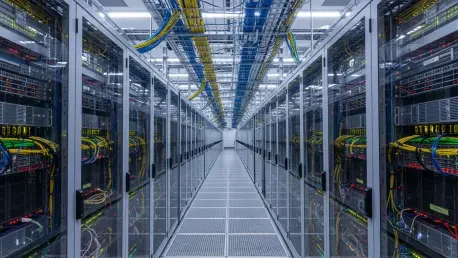

The quiet transition of Walla Walla County from a historic agricultural hub to a high-density technological corridor has reached a critical boiling point as Amazon Web Services accelerates its expansion into the region. This friction surfaced prominently during a community engagement event at Columbia High School in Burbank, where approximately 300 residents gathered to voice their concerns about a massive data center campus proposed for the Wallula Gap Business Park. The atmosphere was thick with skepticism as community members sought clarity on how a project of this magnitude would fundamentally alter the character of their rural landscape. Amazon officials attempted to mitigate these anxieties by providing information on their environmental footprint, yet the interaction revealed a deep-seated rift between corporate objectives and local expectations. Many attendees felt that the scale of the development was being downplayed, leading to a palpable sense of unease regarding the long-term social and ecological stability of the county.
The specific format of the meeting became a lightning rod for criticism, as the tech giant chose a decentralized “drop-in” booth style rather than a traditional town hall forum. While representatives from the company framed this as a way to facilitate one-on-one dialogue and provide technical depth to interested individuals, many local residents interpreted the move as a calculated effort to prevent a unified public challenge. Without a centralized microphone for a public question-and-answer session, the collective voice of the community felt fragmented, leaving many to wonder if their specific grievances were being documented with any degree of seriousness. This perceived lack of transparency has cast a shadow over the initial stages of the project, fueling demands for a more structured and accountable public engagement process. As the county moves forward with evaluating the industrial shift, the disconnect between Amazon’s polished messaging and the raw concerns of the citizenry remains a primary obstacle to mutual agreement.
Industrial Transformation: The Physical Footprint of Artificial Intelligence
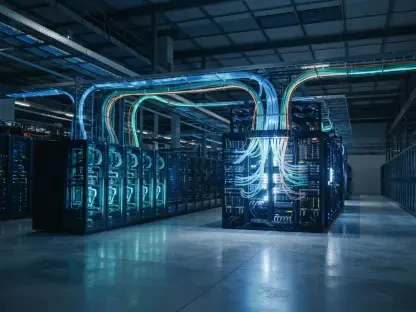
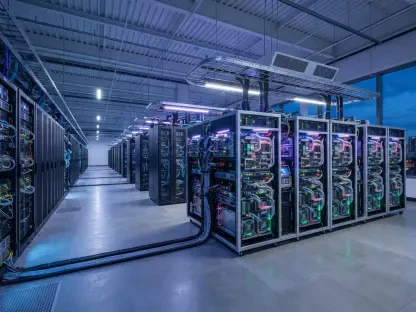
The proposed development is not merely a collection of warehouses but a sprawling three-year construction project encompassing 134 acres of land recently acquired from the Port of Walla Walla. This massive site is slated to house five substantial buildings, three of which are high-intensity data centers designed to anchor the hardware necessary for global cloud infrastructure. Unlike traditional industrial facilities, these structures are engineered to support the rigorous demands of modern computing, particularly the rapidly expanding field of Artificial Intelligence. Amazon has confirmed that these facilities will be equipped with specialized hardware capable of processing the enormous datasets required for generative AI and machine learning models. This signifies a departure from standard data storage, moving the region into a higher tier of industrial complexity that requires continuous, high-output operational support.
The physical presence of these buildings at the Wallula Gap has raised alarm bells among those who value the scenic and historical integrity of the Columbia River corridor. The proximity of the campus to sensitive environmental zones means that the construction phase and subsequent operations will have a visible and audible impact on the surrounding area. Critics argue that the rural nature of the region is ill-suited for such a concentrated industrial hub, noting that the infrastructure required to support these centers—including high-voltage transmission lines and massive cooling systems—will permanently change the vista of the gap. This geographic tension is at the heart of the debate, as the county must weigh the benefits of a modernized industrial base against the potential loss of the very environmental qualities that define Walla Walla’s identity.
Regulatory Hurdles: Permitting Processes and Financial Transparency
Currently, the project is navigating the complex bureaucracy of the Walla Walla County Community Development Department, where it has already encountered significant procedural delays. The initial application process hit a roadblock due to the omission of a mandatory Traffic Impact Analysis, a document essential for understanding how hundreds of construction vehicles and permanent staff will affect local road safety and congestion. This oversight has temporarily stalled the project’s momentum, providing a brief window for county officials and residents to scrutinize the technical filings more closely. Once these documents are finalized and accepted, the county is obligated to open a formal public comment period. This window will serve as the official mechanism for residents to submit written testimony, which will then become a permanent part of the project’s regulatory record, potentially influencing final zoning and building decisions.
Beyond the technical permits, a significant portion of the public remains wary of the undisclosed economic arrangements between the tech giant and local government entities. While Amazon has a well-documented history of securing substantial tax exemptions and incentives for similar projects in other states, the specific financial package for the Walla Walla development has not been made public. This lack of transparency has led to questions about whether the local tax base will truly benefit from the project or if the county is bearing the infrastructural costs while the company enjoys the profits. Without a clear cost-benefit analysis available for public review, many residents fear that the promise of regional growth is a hollow one, potentially leaving the community to subsidize a multinational corporation’s operational overhead through hidden utility costs or infrastructure wear and tear.
Environmental Stewardship: Addressing Water and Energy Demands
The most contentious issue surrounding the data center campus is the staggering volume of water required to maintain the operating temperatures of thousands of high-density servers. Amazon has proposed a two-phased water management strategy that begins with the use of potable groundwater before eventually transitioning to irrigation water sourced from the Columbia River. This transition involves complex legal maneuvering to convert agricultural water rights into industrial ones, a move that environmental advocates warn could jeopardize the local aquifer. During the frequent drought cycles that characterize the region, the competition for water between large-scale industrial cooling and traditional farming becomes a zero-sum game. The prospect of diverting millions of gallons of water away from local food production to cool digital hardware is a scenario that many in the agricultural community find fundamentally unsustainable.
Equally concerning is the sheer volume of electricity needed to power a facility optimized for Artificial Intelligence. While company representatives have stated that the project will not result in a direct tax burden for residents, they have remained notably silent regarding the specific megawatt requirements of the campus. In other regions where similar clusters have been built, the massive surge in demand has forced utility providers to invest in expensive grid upgrades, costs that are often passed down to residential customers in the form of higher monthly bills. Residents are pointing to these external examples as a cautionary tale, expressing fear that their electricity rates will skyrocket as the local grid is strained to accommodate the needs of a single corporate entity. The lack of a firm guarantee regarding rate stability has turned energy consumption into a primary pillar of the local opposition movement.
Local Impact: Employment Realities and Community Mobilization
Marketing for the data center has heavily emphasized its role as a regional economic engine, with projections of 125 to 150 permanent, full-time positions once the site is operational. Amazon has also expressed a commitment to prioritizing local vendors and contractors during the intensive three-year construction phase. However, many skeptics remain unconvinced by these figures, noting that there are no legally binding local-hiring requirements integrated into the current project agreements. The highly technical nature of data center operations often necessitates recruiting specialized talent from outside the region, leading to concerns that the most lucrative roles will go to non-residents. This “best effort” approach to local employment is seen by critics as a weak trade-off for the permanent environmental and infrastructural changes the community is being asked to accept.
In light of these mounting concerns, the Walla Walla Anti-Data Center League has emerged as a focused political force, advocating for a one-year moratorium on all new data center developments. The group argued that the current pace of industrial expansion was far too rapid for the county to adequately assess the cumulative impacts on noise, light pollution, and the vital local tourism economy. By demanding a pause in the permitting process, the league sought to provide independent researchers with the time necessary to evaluate the long-term consequences of such massive industrialization. They emphasized that a more rigorous, evidence-based approach was the only way to ensure that the county’s future was not sacrificed for short-term corporate expansion. This push for a moratorium represented a significant shift in the local discourse, moving the conversation from a debate over a single project to a broader examination of how the rural West should manage the encroaching digital frontier.