
The geopolitical struggle for digital independence has reached a fever pitch as European nations demand more control over the algorithms that drive their economic engines. This movement culminated in the recent finalization of a multibillion-dollar agreement between Microsoft and Mistral AI, a partnership designed to scale European computing power while granting the French startup a foothold in the competitive American market. This collaboration bridges the persistent gap between the sophisticated cloud architecture developed in the United States and the urgent requirement for data sovereignty within the European Union. By integrating Mistral’s frontier models directly into regional infrastructure, the deal effectively addresses long-standing concerns regarding the extraterritorial reach of foreign digital policies. It marks a decisive turning point for international tech regulation, signaling that the era of borderless data processing is giving way to a more geographically aware and jurisdictionally secure digital landscape for all players.
Infrastructure Development: Localized Compute and Model Access
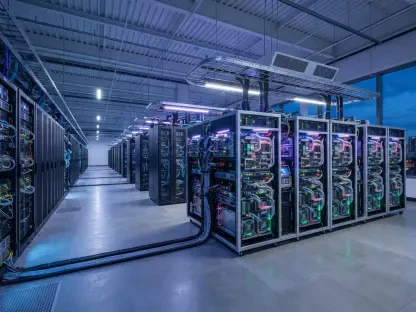
A primary component of this initiative involves the localized deployment of massive computing resources to satisfy the rigorous standards of the European Union. Microsoft committed to expanding the development and execution of artificial intelligence software through Azure cloud services using proprietary data centers located exclusively on French soil. This architectural choice ensures that high-performance computational workloads remain strictly within the jurisdictional boundaries of the region, providing a robust solution to data residency issues that have historically hindered large-scale adoption. For regional enterprises, this setup offers operational independence from external legal frameworks, allowing them to process sensitive information without the fear of data being siphoned through foreign gateways. The focus on localized hardware deployment serves as the physical foundation for a new ecosystem where digital assets are governed by the same local laws that apply to physical infrastructure in the real world.
Beyond the physical data centers, the collaboration integrates sophisticated software tools like Mistral Medium 3.5 and OCR 4 into the comprehensive Microsoft Azure Foundry catalog. Mistral Medium 3.5 distinguishes itself with an open-weight architecture, providing organizations with the rare flexibility to customize and fine-tune large language models within their own managed environments. Concurrently, OCR 4 enhances document automation capabilities, allowing for the creation of complex agentic workflows that streamline administrative burdens in data-heavy sectors. These models utilize the Azure Local framework, which enables businesses to maintain exceptionally low latency while adhering to strict regulatory mandates. By keeping these sophisticated processes geographically close to physical operations, the partnership allows European companies to leverage cutting-edge intelligence without compromising on the speed or security required for mission-critical tasks. This technical synergy ensures that the newest AI capabilities are ready for use.
Geopolitical Strategy: Sovereignty and the Hardware Paradox
This strategic alliance emerged during a period of intense momentum for the Sovereign AI movement, a trend fueled by the desire to minimize total reliance on American technology stacks. European regulators and business leaders have voiced significant concerns about the long-term reliability of access to United States-based models, especially in light of shifting export controls and political priorities. Cultivating domestic frontier labs is now viewed as an essential component of regional stability and economic competitiveness. By fostering a viable local alternative through Mistral, the partnership ensures that European industries retain continuous and unfiltered access to the essential digital tools required for modern commerce. This approach creates a safety net against potential disruptions in global software supply chains, providing a level of predictability that is vital for long-term industrial planning. The goal is to create a digital environment where the European economy can flourish independently of any external pressures.
However, the quest for complete autonomy remains challenged by the persistent Hardware Paradox that characterizes the current state of the global technology industry. While the software layers and data center operations are firmly rooted in European soil, the underlying physical processing units remain largely dependent on American exports from companies like Nvidia and AMD. This reality creates a fundamental tension in the pursuit of true sovereignty, as the software achieves regional control while the hardware components remain tethered to supply chains dominated by the United States. Even with the localization of data and algorithms, the physical chips required to run these systems are subject to international trade dynamics and potential bottlenecks. This reliance highlights the complexity of achieving digital independence in a world where hardware and software lifecycles are inextricably linked. For the time being, true sovereignty is a layered achievement where software autonomy precedes the slower development of a regional manufacturing ecosystem.
Market Transformation: Scaling Synergy and Future Autonomy
From a commercial perspective, the deal offers a range of mutual benefits that strengthen the market positions of both participating companies. For Microsoft, hosting the high-performance models developed by Mistral provides a specialized, sovereign-friendly option that is specifically tailored for highly regulated industries. Sectors such as national defense, international finance, and public healthcare require a level of assurance that general cloud services often struggle to provide. By offering what leadership describes as assured access to technology, Microsoft can position itself as a trusted partner for sensitive government entities, including the French armed forces. This strategy allows the cloud giant to navigate the nuances of European procurement laws while still providing the scale and reliability of the Azure platform. The result is a hybrid model that respects regional sensitivities while utilizing global distribution networks, making it a compelling choice for organizations that prioritize both high performance and strict regulatory compliance.
The successful integration of these technologies established a new standard for how international partnerships can coexist with regional demands for autonomy. This collaboration demonstrated that digital sovereignty was not merely a political slogan but a practical technical achievement involving localized compute and transparent model weights. Moving forward, stakeholders recognized that the primary challenge shifted toward the development of a localized hardware supply chain to complement the software progress already achieved. Leaders in the tech sector suggested that the next logical step involved deep investment in regional semiconductor initiatives to resolve the remaining hardware dependencies identified during this expansion. By documenting the successes of the Azure-Mistral integration, other regions gained a blueprint for building their own resilient AI infrastructures that respect local laws. The alliance ultimately proved that high-performance innovation and regulatory compliance were not mutually exclusive, setting the stage for a stable marketplace.