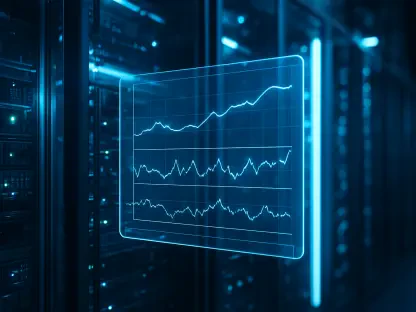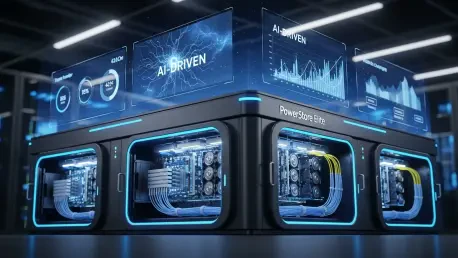

Modern data centers currently face an unprecedented deluge of unstructured information that traditional management tools simply cannot process with the necessary speed or precision required for real-time operations. To address this mounting complexity, the recent introduction of the PowerStore Elite platform represents a significant shift toward fully autonomous storage environments that utilize machine learning to predict performance bottlenecks before they impact the end user. This architecture integrates advanced predictive analytics directly into the hardware layer, allowing for self-optimization that was previously considered theoretical in enterprise settings. By leveraging a redesigned metadata engine, the system identifies patterns in data access to relocate critical workloads to the fastest tiers automatically. This transition ensures that mission-critical applications maintain consistent latency levels even during peak traffic periods across the hybrid cloud environment.
Transforming Infrastructure: The Role of Predictive Intelligence
Beyond mere performance improvements, the integration of generative AI features within the management console provides administrators with a conversational interface to troubleshoot complex networking issues or capacity constraints. This capability allows for the immediate execution of configuration tasks that traditionally required hours of manual labor and extensive scripting knowledge. The platform also introduces a highly efficient data reduction ratio that utilizes AI to analyze file types and apply the most effective compression or deduplication algorithms in real time. Consequently, organizations realize a decrease in physical footprint and power consumption, which directly supports corporate sustainability goals without sacrificing the throughput required for intensive AI training models. High-density flash drives paired with intelligent cooling protocols further distinguish this release, as the hardware dynamically adjusts its thermal profile based on active data processing.
Strategic Implementation: Navigating the Shift to Autonomous Storage
Strategic planning for the integration of these autonomous systems required a thorough evaluation of existing legacy hardware to ensure a seamless migration path for sensitive corporate assets. Decision-makers prioritized the deployment of these AI-driven arrays within edge computing environments where local processing speed proved essential for immediate decision-making. The transition involved training technical staff on the nuances of algorithmic storage management to maximize the utility of the new predictive features. IT departments moved away from rigid maintenance schedules and instead adopted a dynamic oversight model that relied on the system’s internal health indicators. This shift allowed for a more flexible allocation of human capital toward innovation rather than routine upkeep. Future considerations suggested that a phased implementation provided stability, as it allowed for the gradual optimization of the machine learning models based on specific data patterns.