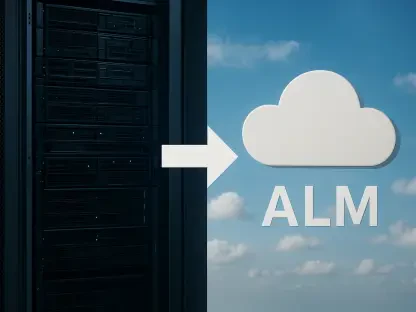

High-resolution video production creates immense data loads that traditional local storage often fails to handle without compromising collaborative speed or cost efficiency. As studios transition toward decentralized workflows, the demand for sophisticated management tools has reached a critical point where security and accessibility must coexist. XenData is addressing this specific pressure by launching a specialized software suite designed to enhance the LucidLink cloud-based collaborative platform. This new offering, featuring Backup for LucidLink, Archive for LucidLink, and Cloud-Connect for LucidLink, provides professional editors with a more resilient infrastructure for managing complex media assets. By integrating these tools directly into the Windows-based environments often used for real-time editing, the suite bridges the gap between active production files and long-term storage repositories. This debut, scheduled for the 2026 NAB Show in Las Vegas, represents a significant evolution for teams that rely on high-performance cloud storage to maintain their tight delivery schedules. The launch signals a shift towards specialized utilities that offer granular control over data movement across diverse cloud providers and storage tiers.
Enhancing Data Integrity: Secure Backup and Strategic Archiving
Maintaining data integrity in a cloud-first environment requires more than just high availability; it necessitates a comprehensive disaster recovery strategy that remains independent of the primary service provider. Backup for LucidLink addresses this by synchronizing active content to secondary, completely separate storage locations such as AWS, Azure, Seagate Lyve, or Wasabi. This approach ensures that even if a primary access point encounters issues, the media assets remain protected and accessible through a different architecture. The software utilizes end-to-end logical block protection, a technical safeguard that verifies data consistency during the transfer process. This feature is particularly vital for video professionals who cannot afford a single corrupted frame in a multi-terabyte project. By allowing for the recovery of individual files outside the main LucidLink interface, the tool grants administrators a level of granular control that significantly reduces the potential for downtime during critical post-production phases. Integrating this layer of security within existing virtual machines like AWS EC2 instances provides a seamless transition for studios already operating in the cloud.
The shift toward multi-tiered cloud strategies reflected a growing industry awareness that performance-oriented storage must be balanced with intelligent automation and cost-efficiency. Decision-makers in the media and entertainment sector recognized that the true value of a storage solution lay not just in its speed, but in how effectively it protected and organized data throughout its entire lifecycle. The adoption of XenData’s suite provided a clear path for studios to maintain high-speed collaboration while securing their assets against unforeseen failures. For organizations looking to optimize their own workflows, the implementation of these tools suggested a prioritized move toward vendor-agnostic backups and proactive archival management. It became evident that successful data management required a focus on accessibility and preview-driven retrieval to prevent archival bloat. By moving toward these integrated systems, production houses moved away from fragmented storage silos and established more resilient, scalable foundations for their creative output. These developments set a new standard for how cloud-based video production environments functioned in a data-heavy landscape.