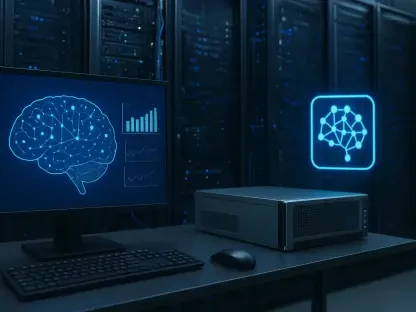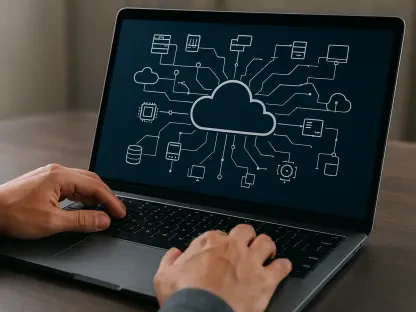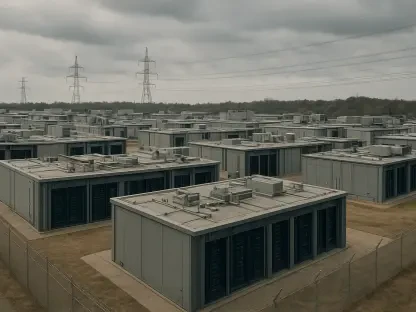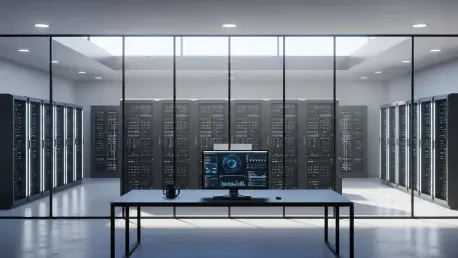

The calculated transformation of a consumer-focused hardware provider into the ultimate architect of the generative intelligence era demonstrates the profound long-term impact of strategic enterprise acquisitions. By tracing the evolution from the landmark EMC acquisition in 2016 to the current “Modern Data Center” initiative, it becomes clear that deep enterprise storage roots are the essential foundation for today’s massive compute requirements. Dell is successfully transitioning from consumer-grade hardware to becoming the primary architect of high-margin AI ecosystems.
Industry analysts observe that the strategic foresight displayed a decade ago has allowed the company to bypass the limitations of a softening PC market. Instead of relying on individual unit sales, the focus has shifted toward building the infrastructure that powers global intelligence networks. This foundation provides the necessary stability for organizations looking to scale their AI operations without facing the bottlenecks common in fragmented hardware environments.
Reclaiming the Data Center Throne: From PC Giant to Infrastructure Titan
The roadmap leading to the present state was paved by the 2016 decision to merge with a storage titan, a move that critics initially questioned. Today, the “Modern Data Center” initiative serves as a pivotal bridge between legacy storage and the future of processing power. It reflects a shift in identity, where the legacy of high-end storage provides the backbone for the intense data throughput required by modern neural networks.
Furthermore, the focus on deep enterprise roots has allowed for the creation of a seamless ecosystem where hardware is optimized for specific computational tasks. This transition into high-margin infrastructure ensures that the company remains at the center of the enterprise hierarchy. By moving beyond simple device manufacturing, the organization has established itself as the primary designer of the environments where data is transformed into actionable intelligence.
The Resurrection of Enterprise DNA in the Age of Generative Intelligence
The current era is defined by the demand for integrated intelligence that can reside within the infrastructure itself rather than being treated as an external service. This resurrection of enterprise focus means that hardware is no longer passive; it is an active participant in data processing. Such an approach allows organizations to manage massive datasets with a level of precision that was previously unattainable in general-purpose computing environments.
Moreover, the tension between traditional data management and the rapid, unpredictable demands of machine learning requires a more sophisticated hardware response. By embedding intelligence at the silicon level, the current infrastructure can anticipate needs and adjust resources dynamically. This capability marks a significant departure from the static storage models of the past, proving that legacy assets can be reinvented for a new generation.
Engineering the Autonomous Backbone: PowerStore Elite and Self-Healing Storage
Integrated AI is transforming storage platforms like PowerStore Elite into autonomous entities capable of performing real-time load balancing. These systems mitigate the fiscal challenges of large-scale AI workloads by optimizing performance and reducing the energy footprint of massive data clusters. As a result, the storage layer becomes a proactive guardian of system health, ensuring that data is always available where it is needed most.
Evaluating the operational costs of AI reveals that autonomous management is the only viable path for sustainable growth. Legacy storage expertise helps in navigating these soaring costs by providing more efficient ways to handle data movement and deduplication. However, the balance between maintaining traditional protocols and meeting modern machine learning requirements remains a complex challenge for many IT departments.
Scaling the AI Compute Barrier: 18th-Generation PowerEdge Innovation
The 18th-generation PowerEdge innovation represents a 70% performance leap in high-performance computing, facilitating the migration of AI tasks from the public cloud to local environments. This competitive shift toward heavy-duty on-premise infrastructure is driven by a desire for better control over data sovereignty and reduced latency. Organizations find that keeping data close to the compute source is the most effective way to manage the massive bandwidth required for training.
In contrast, the risks of hardware obsolescence are higher than ever as processing requirements double at unprecedented rates. To combat this, the latest server designs emphasize modularity and scalability, allowing for incremental updates rather than total system replacements. This foresight ensures that the infrastructure remains relevant even as the underlying AI models evolve in complexity and size.
Fortifying the Digital Perimeter: Cyber Detect and Unified Resilience
Cybersecurity has moved directly into the firmware of flagship storage lines through tools like Cyber Detect, which offers AI-powered ransomware identification. This integration represents a shift toward unified resilience, where protection is a native feature rather than an added service. By identifying threats at the hardware level, enterprises can respond to breaches with a speed that software-only solutions cannot match.
Detailed shifts toward unified data protection services under the PowerProtect One umbrella help to eliminate enterprise silos that often lead to security vulnerabilities. Predictive automation now identifies potential threats before they manifest, effectively disrupting traditional reactive cybersecurity models. This proactive stance is essential in an era where AI-driven threats are becoming more sophisticated and automated.
Synergy at Scale: The Strategic Marriage of PowerRack and Nvidia Ecosystems
The move toward rack-scale storage systems designed specifically for the memory-intensive needs of AI agents is best exemplified by the PowerRack series. This approach contrasts sharply with the fragmented solutions offered by smaller startups, as it provides a fully integrated hardware stack. By partnering with the Nvidia ecosystem, the organization ensures that every component is tuned for maximum throughput.
Speculation on the future of specialized workstations suggests that the “Deskside AI” model will become the new standard for enterprise-level local development. These units provide the power of a small data center in a compact form factor, allowing researchers to experiment without relying on remote cloud clusters. This localized power is critical for maintaining confidentiality and accelerating the development cycle of proprietary algorithms.
Navigating the High-Stakes Shift to AI-First Infrastructure
IT leaders are increasingly moving away from cloud-dependent AI toward localized, high-performance clusters to maintain competitive advantages. Establishing best practices for deploying the Dell Automation Platform has become a priority for streamlining complex, hybrid-cloud environments. This platform bridges the gap between on-premise control and cloud-like flexibility, providing a unified management interface for diverse workloads.
Providing a roadmap for future-proof deployments involves leveraging legacy-inspired hardware that is built for durability and scale. This strategy allows organizations to build a foundation that is both flexible and robust, capable of supporting the next decade of intelligence growth. The focus remains on creating a resilient environment where hardware and software work in total harmony to deliver measurable business results.
A Decade of Transformation: Dell’s Full-Circle Return to Enterprise Supremacy
The strategic synergy between high-performance compute and legacy storage foundations proved to be the decisive factor in overcoming the financial barriers of intelligence. Industry experts noted that the transition toward localized infrastructure provided the necessary stability for complex model deployment. Ultimately, the decision to prioritize full-stack reliability over temporary software trends secured a leading position in the enterprise market.
This evolution confirmed that the most sophisticated digital futures were rooted in the strength of historical hardware expertise. The ghost of legacy systems provided the necessary blueprint for leading a hardware-centric revolution that redefined how data was utilized. As the industry moved forward, it became clear that the most reliable enterprise foundations remained the bedrock upon which all advanced software was built.