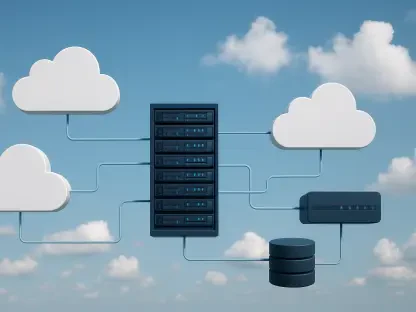

The sudden evolution of enterprise infrastructure has transformed the IBM i platform from a stationary on-premises stronghold into a dynamic participant in the global cloud economy, forcing many organizations to rethink their long-term hardware strategies. For decades, this architecture, originally recognized as the AS/400, served as the silent and unbreakable heartbeat of global commerce, prized primarily for its legendary uptime and integrated database capabilities. However, the modern marketplace now demands a level of agility that physical data centers often struggle to provide, leading to a massive surge in hybrid cloud interest. Moving these mission-critical workloads is no longer a matter of curiosity but a necessity for businesses aiming to integrate legacy reliability with modern scalability. This transition requires more than just moving data; it involves a fundamental shift in how IT teams perceive resilience, cost management, and the very nature of the server environment. Ensuring a safe migration requires a meticulous approach to risk assessment and the adoption of modern methodologies that prioritize continuity.
Transition Logic: Strategic Drivers for Cloud Adoption
Hardware Catalysts: Navigating Financial and Technical Change
A primary driver behind the current migration wave is the natural lifecycle of hardware, particularly as the industry transitions toward Power 11 systems. Many organizations currently operating on aging Power 8 or Power 9 servers face a critical crossroad: whether to commit significant capital to new physical infrastructure or pivot toward a cloud-based Logical Partition. This decision is increasingly influenced by official end-of-support timelines, which render the maintenance of legacy hardware an operational liability as replacement parts and security patches become harder to source. By moving to the cloud, businesses effectively sidestep the burden of physical hardware ownership while gaining access to the latest processing power without the associated lead times of procurement. This shift ensures that the underlying architecture remains modern and fully supported, allowing internal IT staff to refocus their efforts on high-value business logic rather than troubleshooting physical server components in the data center.
Beyond the technical necessity of hardware refreshes, the financial transition from capital expenditure to an operational expenditure model provides a compelling incentive for cloud adoption. The traditional method of purchasing servers requires a massive upfront investment that depreciates over several years, whereas the cloud offers an elastic pricing structure that aligns costs with actual consumption. This flexibility allows companies to scale their resources up during peak seasonal demands, such as the end-of-quarter processing or holiday shopping cycles, and scale back down when the extra capacity is no longer needed. Such financial agility is particularly valuable in a fluctuating economy where predictable monthly billing is preferred over large, lumpy capital outlays. Furthermore, this model facilitates better budget forecasting and resource allocation, as organizations can precisely attribute IT costs to specific departments or projects based on their actual resource utilization within the virtualized environment.
Cyber Resilience: Security Benefits of Cloud Migration
The cloud has emerged as a fundamental pillar of modern cyber resiliency, offering sophisticated protection mechanisms that are often difficult to implement within a traditional on-premises data center. By utilizing the cloud as a target for immutable storage, organizations can create air-gapped backups that remain shielded from the reach of ransomware and other malicious digital threats. This setup ensures that if a primary system is compromised, a clean and unalterable version of the data remains available for rapid restoration, significantly reducing the potential for permanent data loss. Additionally, many cloud providers offer integrated disaster recovery services that automate the failover process, ensuring that mission-critical applications can return to operational status within minutes of a local outage. This level of preparedness is no longer a luxury but a baseline requirement for maintaining trust with customers and meeting the stringent data protection standards expected in today’s digital landscape.
In addition to security enhancements, the cloud provides a unique opportunity for businesses to optimize their backup strategies by shifting away from physical tape media toward more reliable off-site digital repositories. Managing physical tapes is often a labor-intensive and error-prone process, involving manual handling, transportation to secure facilities, and the risk of physical degradation over time. Cloud-based backups eliminate these logistical hurdles by providing automated, high-speed data transfer to geographically diverse regions, ensuring that data is protected against localized disasters like fires or floods. Moreover, the ability to rapidly spin up a secondary environment in the cloud for testing or recovery purposes provides a layer of operational flexibility that physical systems cannot match. This approach not only streamlines the backup workflow but also enhances the overall business continuity plan, making the organization far more resilient to both technical failures and external cyber-attacks.
Risk Mitigation: Assessing the Challenges of Transition
Operational Hurdles: Security and Performance Risks
While the cloud promises superior accessibility and reduced maintenance, it also introduces a new set of security challenges that require a fundamental shift in the organizational mindset. Moving mission-critical data beyond the confines of a private data center inherently expands the attack surface, necessitating the implementation of robust identity and access management protocols. Although cloud providers invest heavily in infrastructure security, the responsibility for protecting the data within the virtual environment remains with the business, requiring a deep understanding of shared responsibility models. Organizations must adopt a zero-trust approach, ensuring that every user and device is verified before accessing sensitive IBM i resources. Failing to adjust security policies to account for the cloud’s decentralized nature can lead to vulnerabilities that expose proprietary information to unauthorized parties. Therefore, a successful migration hinges on the ability to integrate advanced encryption and monitoring tools into the existing security framework.
Performance bottlenecks and hidden costs represent another significant risk that can undermine the benefits of a cloud migration if not addressed during the planning phase. One of the most common oversights involves the assessment of network bandwidth and its impact on application latency. If the connection between the corporate office and the cloud-based Logical Partition is insufficient, users may experience sluggish response times that disrupt daily operations and reduce overall productivity. Furthermore, excessive data egress fees can lead to unexpected monthly expenses if the volume of traffic leaving the cloud environment is higher than anticipated. To mitigate these risks, businesses must conduct thorough network assessments to determine the required throughput and consider dedicated connection options that provide more consistent performance. Additionally, companies operating in highly regulated sectors must ensure that their cloud provider complies with specific data residency laws to avoid legal complications and ensure that all information remains within the required jurisdictions.
Migration Hazards: Failure Rates and Technical Shifts
Industry data suggests that the fear of downtime is a legitimate concern, as a significant number of IT professionals have reported delays in their migration plans due to potential operational risks. Studies indicate that nearly half of all migration attempts involving complex IBM i environments experience several hours of unplanned downtime, often caused by configuration errors or data synchronization issues. Even more concerning is the fact that about one-third of these initiatives result in a total failure, where the system fails to restart properly in the target environment, forcing a stressful and time-consuming rollback. For high-transaction businesses, such as those in retail or logistics, every minute of system inactivity can translate into substantial financial losses and long-term damage to the company’s reputation. Understanding these failure rates is essential for setting realistic expectations and ensuring that the project team is adequately prepared to handle contingencies that may arise during the actual cutover.
Transitioning to a cloud-based model also necessitates a technical shift in how system resources and software licenses are managed. In a traditional on-premises environment, licensing is often tied to physical hardware serial numbers, but moving to a virtualized cloud partition requires the use of virtual serial numbers. This change demands careful coordination with software vendors to ensure that all mission-critical applications remain compliant and functional after the move. Furthermore, the focus of performance management shifts from physical processor counts to capacity-based metrics, such as Commercial Processing Workload, which defines the relative performance of the virtual partition. IT teams must become proficient in managing these virtual resources and monitoring their consumption to optimize both performance and cost. Deciding whether to manage these complexities in-house or partner with a specialized Managed Service Provider is a strategic choice that can significantly impact the long-term success and stability of the cloud-hosted environment.
Technical Frameworks: Methodologies for a Safe Migration
Safety Procedures: Logical Replication and Strategy
The most reliable methodology for minimizing downtime during an IBM i cloud migration involves the use of logical replication, often referred to as a “migrate-while-active” strategy. This approach creates a real-time copy of the production environment within the cloud, allowing data changes to be continuously synchronized from the source to the target. By maintaining this parallel environment, the IT team can perform extensive testing and validation without impacting the day-to-day operations of the business. This method effectively decouples the data transfer process from the final cutover, reducing the required maintenance window from days or hours to just a few minutes. Because the target environment is already fully populated and synchronized, the final transition becomes a controlled administrative task rather than a high-stakes race against the clock. This strategy provides a safety net that allows for thorough verification of system settings and application performance before the on-premises server is decommissioned.
Successful migration planning extends far beyond the technical aspects of data movement and requires a holistic view of the entire organizational ecosystem. This process begins with a comprehensive audit of existing software and hardware dependencies, ensuring that all third-party integrations will continue to function correctly in the new cloud-based architecture. Detailed bandwidth calculations must be performed to ensure that the network can handle both the initial synchronization and the ongoing traffic demands of the virtualized system. Additionally, the planning phase should include the development of a robust rollback strategy, providing a clear path to return to the original on-premises system if any insurmountable issues are discovered during the cutover. Engaging stakeholders from across the business to define clear success criteria and performance benchmarks ensures that the migration meets the needs of all users. By prioritizing these preparatory steps, organizations can reduce the likelihood of surprises and ensure that the transition to the cloud is as seamless as possible.
Operational Excellence: Execution and Post-Migration Care
As the migration nears its final stage, the execution of the cutover requires a high degree of precision and a well-defined sequence of events to ensure a smooth transition. This phase typically involves a final synchronization of any remaining data changes, followed by a series of rigorous validation tests to confirm that the cloud-based system is performing as expected. User acceptance testing plays a critical role during this time, as it allows key personnel to verify that their specific applications and workflows are functioning correctly in the new environment. Any discrepancies or performance issues identified during this phase must be addressed immediately before the system is officially opened for production traffic. A successful cutover is the result of careful rehearsal and clear communication among all members of the migration team, ensuring that everyone understands their specific roles and responsibilities. By maintaining a disciplined approach to the final steps, businesses can avoid the common pitfalls that lead to unplanned downtime.
Choosing the right management model for the post-migration environment is a final but essential consideration that determines the long-term health of the IBM i system. Some organizations choose to maintain full control by managing their virtual partitions internally, which requires a deep bench of expertise in both cloud infrastructure and the specific nuances of the IBM i operating system. However, many businesses find that partnering with a Managed Service Provider offers a more efficient path to success, as these specialists provide the specialized knowledge and monitoring tools needed to optimize the cloud environment. An experienced provider can offer proactive support, ensuring that patches are applied, performance is tuned, and security measures are kept up to date without burdening the internal IT staff. Regardless of the chosen path, the focus must remain on maintaining the high standards of reliability and security that are the hallmarks of the IBM i platform. This ongoing commitment to excellence ensures that the cloud migration delivers on its promise of modernization.
Modernizing Infrastructure: A Sustainable Path Forward
The shift toward a hybrid cloud model represented a decisive moment for organizations that relied on the IBM i architecture to drive their most critical business processes. By moving away from the limitations of physical hardware, these companies successfully positioned themselves to leverage the scalability and resilience of modern cloud environments. The transition was not merely a technical upgrade but a strategic move that allowed for better cost management and enhanced protection against the growing threat of cyber-attacks. Organizations that prioritized logical replication and thorough pre-migration planning were able to minimize downtime and avoid the common failures that plagued less prepared initiatives. Ultimately, the move to the cloud empowered businesses to modernize their infrastructure while preserving the legendary stability of their core data. This journey provided a clear roadmap for how legacy systems could thrive in a modern landscape, ensuring that the heartbeat of the enterprise remained strong and adaptable for the years ahead.