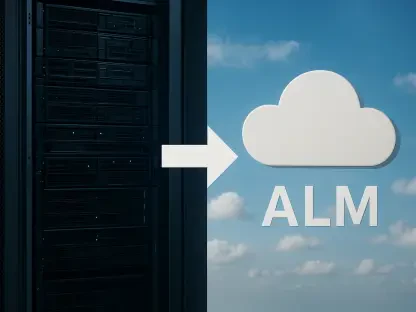

Managing dozens of physical handsets creates a logistical nightmare involving battery maintenance, manual operations, and constant hardware failure risks. This persistent friction has accelerated a total paradigm shift within the digital landscape of 2026, forcing organizations to reconsider the viability of traditional phone farms. For years, mobile operations required literal rooms full of hardware, but today’s competitive environment demands a level of scalability and remote accessibility that physical devices simply cannot provide. The move toward sophisticated cloud phone platforms represents more than just a convenience; it is a fundamental restructuring of how mobile-centric businesses operate. By offloading the processing power and the physical presence of a handset to high-performance ARM-based servers, enterprises are finding they can achieve greater agility without the overhead of hardware procurement and disposal. This evolution is particularly crucial for sectors like affiliate marketing, social media management, and application testing, where the volume of required accounts and environments would otherwise necessitate an unmanageable amount of physical infrastructure. The integration of these digital environments allows for a more fluid workforce, as team members can access their mobile workspaces from any geographic location with an internet connection, ensuring that regional boundaries no longer restrict the scope of modern digital operations.
Infrastructure Transformation: Architectural Shifts
The technical foundation of a modern cloud phone distinguishes it from the basic emulation tools used in the past. Unlike local emulators that share resources with a host computer’s X86 processor, a professional cloud phone utilizes native ARM-based cloud infrastructure. This architectural alignment is essential because most mobile applications are designed specifically for ARM processors. When an app runs in an environment that matches its intended hardware, it performs with higher stability and less lag. Furthermore, these platforms provide persistent Android workspaces that remain active even when the user is offline. This means that background tasks, such as data synchronization or message monitoring, continue uninterrupted on the cloud server. For businesses in 2026, this persistence is a vital component of automated workflows, allowing for twenty-four-hour operations without the need for a dedicated local machine to remain powered on. The shift from local resource dependency to specialized cloud clusters has enabled a level of performance that was previously impossible, providing a seamless experience that feels identical to holding a high-end smartphone.
Beyond the raw processing power, the decoupling of the mobile operating system from physical hardware introduces unprecedented flexibility in environment management. Professionals can now spin up new Android instances in seconds, each with its own unique device signatures, including IMEI, MAC addresses, and specialized build properties. This capability allows for the creation of completely isolated digital identities, which is a prerequisite for managing multiple social media or e-commerce accounts without the risk of cross-contamination. In a traditional setup, achieving this would require a drawer full of different phone models, but cloud platforms allow users to simulate a diverse array of device types from a single dashboard. Centralizing these tasks into a web-based or desktop interface removes the friction of switching between physical screens, allowing a single operator to manage hundreds of devices simultaneously. This centralized control is the cornerstone of modern mobile workflow optimization, enabling businesses to scale their operations horizontally without adding complexity to their physical workspace or increasing their energy consumption.
Operational Excellence: Enterprise Security Standards
Environment authenticity has become the most critical metric for enterprise-grade cloud phone operations in 2026. As application developers deploy increasingly sophisticated security systems, the ability of a virtual environment to remain undetected is paramount. Professional cloud phone platforms address this by providing legitimate hardware fingerprints that mirror actual retail devices. This realism prevents security triggers that often block or shadow-ban accounts associated with standard virtual machines or emulators. By ensuring that the cloud environment presents itself as a genuine mobile device to the network, businesses can safely conduct high-stakes activities like ad verification and global market research. This level of technical integrity is not merely about bypassing filters; it is about establishing a foundation of trust between the mobile application and the platform, ensuring that long-term business accounts remain secure and functional. Without this architectural authenticity, the risks of account suspension and data loss would be too high for most professional organizations to tolerate.
Operational efficiency is further amplified by advanced synchronization features and automated file management systems. For large-scale teams, the capacity to perform synchronized operations is a massive force multiplier, allowing an action taken on one control device to be mirrored perfectly across a fleet of dozens or even hundreds of others. Whether it is navigating an interface, typing text, or triggering a specific app function, synchronization eliminates the repetitive manual labor that once defined mobile account management. Additionally, modern platforms offer integrated tools for bulk APK installations and direct file directory management, bypassing the slow and often unreliable transfer methods associated with physical cables. By integrating Robotic Process Automation and Android Debug Bridge support, companies can program complex task sequences that run autonomously. These tools allow a lean team to oversee an operation that would have previously required an entire department of manual laborers, effectively shifting the human role from execution to oversight and strategic planning.
Competitive Landscape: Dominant Market Solutions
MoreLogin Cloud Phone has established itself as the industry standard by moving beyond simple device hosting to offer a comprehensive ecosystem for Android workflow orchestration. It addresses the needs of teams that have outgrown the limitations of physical hardware by providing a suite of management tools that prioritize security and collaboration. One of its standout features is the integrated proxy management system, which allows users to assign specific IP addresses to individual cloud environments, ensuring that each account appears to be operating from its designated geographic region. Furthermore, the platform includes robust team permission controls, allowing administrators to delegate specific environments to staff members without sharing master login credentials. This level of granular control is essential for maintaining security in a professional agency setting. By combining high-performance ARM hardware with a management layer designed for professional scale, MoreLogin provides a versatile solution that caters to both non-technical marketers and development teams seeking API-driven automation.
In contrast to the broader ecosystem of MoreLogin, other players like PhoneGrid and DuoPlus have carved out specific niches within the market. PhoneGrid is recognized for its business-facing approach to device management, offering stable environments that are particularly useful for those managing multiple separated instances for agency-style work. While it provides a reliable core experience, it focuses more on the stability of the connection rather than the breadth of the management toolset. DuoPlus, on the other hand, targets users who are specifically focused on social application tasks and mobile account utility. It offers a more streamlined, user-friendly entry point for those who need immediate access to a cloud phone without the complexity of deep developer tools. However, for organizations with extensive scaling requirements, the choice often comes down to the depth of the platform’s ecosystem. While these alternatives are highly functional, the decision for most enterprises in 2026 rests on which platform provides the best balance of technical authenticity, team management, and long-term reliability for high-volume operations.
Technology Distinctions: Virtualization and Browsers
Understanding the distinction between true cloud phones and legacy virtualization tools is necessary for making an informed strategic decision. VMOS, for instance, remains a prominent name in the virtual Android space, but its utility is largely confined to individual sandboxing or basic app testing on local devices. It functions by creating a secondary Android layer within an existing phone, which is helpful for personal app separation but lacks the infrastructure required for enterprise scaling. It does not offer a centralized cloud dashboard, nor does it provide the remote accessibility that defines a modern cloud phone platform. For a professional team, using a tool like VMOS would still require the maintenance of physical handsets, failing to solve the core logistical problems of hardware management. In the context of 2026, VMOS is viewed as a specialized utility for local developers rather than a scalable solution for business growth, highlighting the gap between local app virtualization and full-scale cloud-based mobile infrastructure.
There is also a frequent point of confusion regarding the difference between cloud phones and anti-detect browsers like Multilogin. While Multilogin is a leader in managing web-based accounts by masking browser fingerprints, it does not provide an actual Android operating system. This is a critical distinction because many modern applications, such as TikTok, Instagram, and various e-commerce apps, function differently—or exclusively—within their mobile APK versions compared to their web interfaces. A browser-based solution cannot run mobile-specific code or utilize mobile-only features, making it insufficient for tasks that require the native app ecosystem. For businesses that need to interact with the actual mobile app environment, a dedicated cloud phone platform like MoreLogin is the only viable option. While a browser-focused tool is excellent for managing web identities, the cloud phone provides the entire mobile stack, including the hardware simulation, the operating system, and the ability to install and run third-party APKs as if they were on a physical handset.
Strategic Integration: Scaling for Growth
The financial implications of transitioning to a cloud-based mobile workflow are profound, particularly when considering the total cost of ownership. Maintaining a physical phone setup involves significant upfront capital for hardware, routers, specialized cooling systems, and the labor required for constant cabling and maintenance. In contrast, cloud phone platforms operate on a scalable model where costs are directly aligned with actual usage. This shift from a capital expenditure model to an operational expenditure model allows businesses to expand their mobile capacity instantly without waiting for hardware deliveries or dealing with the depreciation of physical assets. Furthermore, the cloud model eliminates the risks associated with hardware longevity, such as battery degradation and screen failure. Because the platform provider manages the underlying servers, the enterprise only pays for the uptime and functionality of the Android environment, ensuring that the budget is spent on productive work rather than infrastructure repair and replacement.
Centralized visibility provides a massive competitive advantage in 2026, as it allows managers to oversee global operations from a single pane of glass. With a cloud platform, every action is logged, and every device status is visible in real-time, which is a level of transparency that is impossible to achieve with a room full of physical phones. However, organizations must be careful to avoid common implementation pitfalls, such as choosing virtual phones optimized for mobile gaming rather than professional account management. Gaming-focused platforms often lack the security features, proxy integrations, and team management tools necessary for business operations. A successful strategy requires a clear focus on platforms that prioritize workflow orchestration and environment authenticity. By avoiding the allure of cheaper, consumer-grade alternatives and investing in a robust enterprise platform, businesses can ensure that their mobile operations remain stable, secure, and ready to adapt to the rapidly changing demands of the digital economy.
Implementation Roadmaps: Sustainable Professional Success
The transition toward cloud-integrated telephony proved to be the most significant operational upgrade for mobile-centric businesses in recent years. Organizations that successfully abandoned their physical hardware found that they could redirect their resources toward strategy and creative output rather than technical troubleshooting. Observations from across the industry showed that the initial investment in platform migration paid for itself through reduced labor costs and increased account longevity. Managers who prioritized ARM-based authenticity and integrated proxy support achieved higher success rates in regional marketing campaigns, while those who utilized synchronization tools saw a dramatic reduction in the time required to launch new initiatives. The shift was not just about replacing a phone with a digital screen; it was about fundamentally changing the way mobile data and account identities were handled within a professional environment. These changes established a new baseline for efficiency that made the old methods of physical device management appear obsolete and unnecessarily risky.
To maintain a competitive edge moving forward, businesses should focus on a structured implementation plan that prioritizes the integration of automated workflows. The first step involves auditing current mobile tasks to identify which processes can be handled via RPA or synchronized operations. Following this, organizations should select a platform that offers the necessary developer tools, such as ADB support and API access, to ensure long-term scalability. It is also recommended to establish a rigorous protocol for proxy management and regional customization to maintain the integrity of global operations. As the digital landscape continues to evolve, the ability to rapidly deploy and manage secure mobile environments will remain a key differentiator between market leaders and those struggling with legacy constraints. By embracing the flexibility of cloud phone technology and committing to a centralized management strategy, professionals can ensure their operations are resilient enough to handle the complexities of the modern mobile economy. The future of mobile business growth clearly resides in the cloud, where hardware no longer serves as a barrier to innovation.