
The rapid expansion of massive digital processing hubs has forced small-town administrations across the United States to reconsider the long-term sustainability of their local power grids and water supplies. In the city of St. Cloud, this tension reached a critical peak as local leaders grappled with the implications of high-density technological growth and its impact on the community. Following a comprehensive public hearing that drew significant attention from residents and industry experts, the city council ultimately rejected a proposed set of regulatory guidelines. Instead, the council voted 4-3 to move toward a one-year moratorium on new data center projects, reflecting widespread concern about the rapid construction of high-capacity infrastructure. This decisive shift highlights the complex challenge of balancing the immediate allure of industrial expansion with the necessity of protecting local resources. The decision suggests that the community is not yet ready to fully commit to a digital-first future.
Regulatory Frameworks and Infrastructure Demands
Defining Hyperscale Facility Standards
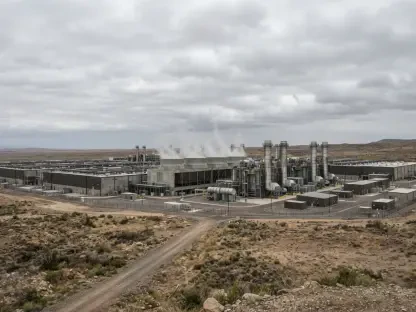
The rejected regulatory policy was designed to create a structured framework for managing what the city defined as hyperscale data centers, characterized by their immense scale and operational intensity. These facilities were specifically categorized as those housing at least 2,000 servers, occupying more than 10,000 square feet of space, or consuming more than 50 megawatts of electricity on a continuous basis. Under the proposed guidelines, these massive structures would have been confined strictly to industrial districts, effectively preventing them from encroaching on commercial or residential neighborhoods. Furthermore, the policy mandated a quarter-mile buffer zone from any residential area to mitigate potential disruptions. Developers would have been required to conduct exhaustive studies regarding noise levels and ground vibrations. By setting these rules aside, the council signaled that even these strict measures might not be sufficient to address the public’s deep-seated anxieties.
Evaluating Environmental and Social Impacts
Intense public opposition played a primary role in steering the council toward a legislative pause, as residents voiced profound anxieties regarding the consumption of essential local resources. During the hearings, community members expressed specific concerns about the massive water requirements for cooling these facilities and the potential strain on the regional power grid. Beyond the environmental footprint, there were significant worries regarding persistent noise pollution and the broader societal implications stemming from the rapid rise of artificial intelligence technologies. Many speakers urged the city to prioritize long-term environmental health and the existing residential quality of life over the short-term economic gains associated with industrial growth. They argued that the city should focus its investment strategies on developments that offer more tangible benefits. This grassroots resistance highlighted a fundamental distrust of the promises made by large-scale tech firms looking to settle in the area.
Community Voices and Legislative Strategy
Weighing Economic Gains Against Risks
The city council remains deeply divided on the best path forward, with members split between cautious preservation and the pursuit of technological progress. Supporters of the moratorium argued that because the data center industry is still evolving at an unpredictable pace, St. Cloud should observe the experiences of other municipalities before committing to a permanent policy. They believe that a one-year pause will provide essential data on whether these facilities can coexist peacefully with local residents without causing permanent damage to the ecosystem. Conversely, dissenting council members warned that such a moratorium could be seen as a rejection of modern innovation, potentially costing the city significant tax revenue and high-paying job opportunities. They contended that the proposed regulations were already stringent enough to protect the city while remaining open to business. This internal debate underscores the difficulty of forecasting the long-term viability of tech hubs.
Strategizing for Sustainable Digital Integration
Moving forward, the city administration established a clear timeline to address these concerns, starting with a decisive public hearing and a formal vote on the moratorium that the council set for December 21. City planners recommended that officials use this interim period to develop more sophisticated monitoring systems for energy consumption and noise mitigation. It was suggested that the city should engage in collaborative research with regional utilities to ensure that any future development does not compromise the reliability of the local power supply. Officials also considered implementing a tiered incentive structure that rewards developers for incorporating advanced water recycling technologies and renewable energy sources. This proactive approach aimed to transform the current conflict into a framework for sustainable growth that benefits both the economy and the environment. By prioritizing data-driven decision-making, the council sought to create a blueprint for cities facing similar industrial pressures.