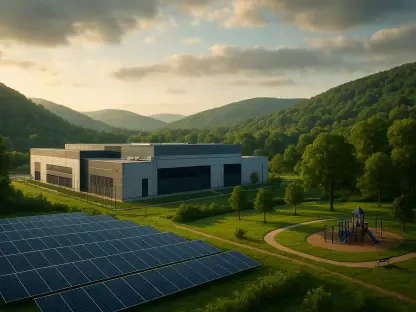

Developers seeking to build AI infrastructure in Pennsylvania must now enter into Community Benefit Agreements that include specific mandates for local hiring and specialized workforce training before construction can proceed. This landmark directive, formalized through Governor Josh Shapiro’s Executive Order 2026-05, establishes the Governor’s Responsible Infrastructure Development (GRID) requirements to address the surging demand for high-density computing. By utilizing executive powers, the state has bypassed traditional legislative delays to manage the immediate environmental and energy pressures generated by massive data centers. This policy ensures that the expansion of the digital economy serves the public interest rather than providing unchecked profits for technology corporations. It creates a structured environment where industrial growth is contingent upon meeting rigorous standards for community integration, resource management, and long-term economic stability within the region.
Strategic Permitting: Enforcing Stringent Development Vetting
A cornerstone of the new regulatory environment is the mandatory Consent Order and Agreement (COA), which fundamentally changes the sequence of project approvals. Under this system, developers are required to formally agree to a comprehensive set of state-imposed conditions before their permit applications are even considered for review. This strategy effectively eliminates the possibility of tech companies utilizing non-disclosure agreements or behind-the-scenes negotiations to fast-track high-impact projects without public oversight. By removing these large-scale facilities from expedited processing queues, Pennsylvania has signaled that speed will no longer be prioritized over safety or sustainability. Each proposal must undergo an exhaustive vetting process that assesses its long-term impact on the regional ecosystem. This rigorous approach ensures that only the most prepared and responsible operators can gain a foothold in the state’s burgeoning artificial intelligence market.
In addition to the formal permitting changes, the state now demands a high level of direct investment into the local workforce to foster sustainable economic development. The Community Benefit Agreements are not merely suggestions but binding contracts that tie the success of a data center to the advancement of its neighboring residents. These agreements require specialized training programs designed to transition workers from traditional sectors into the highly technical roles required by the AI industry. Furthermore, the hiring mandates ensure that the economic gains from these multi-billion-dollar investments remain within the local economy rather than being exported to out-of-state contractors. By embedding these social requirements into the regulatory fabric, Pennsylvania is attempting to mitigate the risk of creating industrial islands that use local resources without offering meaningful opportunities to the people living nearby. This model seeks to create a symbiotic relationship between tech and talent.
Fiscal Integrity: Protecting Local Infrastructure and Ratepayers
One of the most significant shifts in policy involves the financial responsibility for the massive energy infrastructure required to power modern artificial intelligence. The GRID requirements explicitly state that data center developers must absorb the full cost of any electrical generation and grid upgrades necessary to support their specific operations. In previous years, the burden of expanding utility networks often fell onto the general public, leading to increased monthly bills for households and small businesses. By mandating that industrial growth pay for itself, the state is insulating its citizens from the inflationary effects of rapid tech expansion. This “user-pays” philosophy ensures that the capital-intensive requirements of cooling systems and server racks do not siphon funds away from essential public services or force retirees on fixed incomes to subsidize the operations of profitable tech giants. It establishes a fair market where corporate entry requires genuine investment.
To further safeguard the reliability of the electrical network, the executive order introduces a new hierarchy for energy distribution during times of extreme grid strain or supply shortages. In this prioritized system, residential households and essential services such as hospitals and emergency response centers are guaranteed service ahead of industrial users. Data centers are now positioned as the first to face curtailment if the stability of the regional grid is at risk. This regulatory posture forces companies to invest heavily in their own onsite backup power solutions, such as advanced battery energy storage systems or dedicated renewable generation plants. By making data centers responsible for their own redundancy, the state prevents the catastrophic scenario where a heatwave or winter storm leads to rolling blackouts for families because a neighboring AI facility is consuming a disproportionate share of the available power supply. This ensures the grid remains resilient for all.
Resource Accountability: Ensuring Operational Clarity and Transparency
Transparency serves as the final pillar of the new regulatory framework, specifically targeting the historical secrecy surrounding data center resource consumption. The executive order effectively bans the use of non-disclosure agreements that have long prevented the public from understanding the true volume of water and electricity used by these facilities. Operators are now legally obligated to provide detailed, recurring reports on their consumption patterns and participate in a real-time public mapping initiative. This interactive map allows citizens to track the status of proposed projects and monitor the cumulative impact of data centers on their specific watersheds and power zones. By opening the books on resource usage, the state provides local planning boards and environmental groups with the data they need to make informed decisions. This level of sunlight is intended to discourage wasteful practices and encourage the adoption of more efficient cooling and processing technologies.
The implementation of these strict regulations demonstrated that administrative action provided a viable pathway for states to manage the rapid rise of the AI industry. Pennsylvania’s approach successfully shifted the burden of infrastructure costs and environmental monitoring onto the corporations seeking to profit from the local landscape. Stakeholders recommended that other jurisdictions adopt similar consent order models to ensure that public interests are protected before construction permits are issued. Looking ahead, developers were advised to integrate onsite renewable energy and closed-loop cooling systems early in their design phases to avoid the heavy costs associated with the new grid hierarchy. Furthermore, tech firms learned that fostering early and honest engagement with local communities was the most effective way to navigate the rigorous vetting process. These steps not only secured the reliability of the regional power supply but also created a more predictable environment for long-term technological investment.