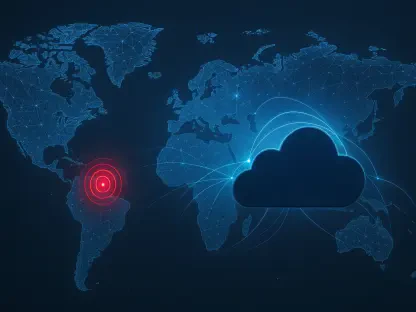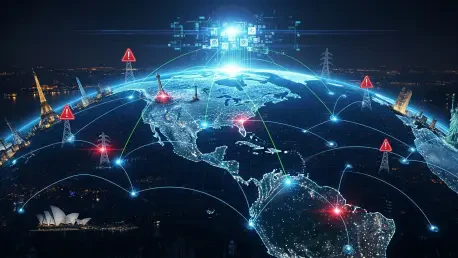

The recent escalation of coordinated digital assaults against global energy sectors and government bodies underscores a significant shift in how regional conflicts are waged within the modern interconnected landscape. These actors no longer restrict their efforts to localized targets; instead, they focus on a broader spectrum of Western interests to maximize the psychological and political fallout of their actions. This surge in digital aggression aligns perfectly with heightening geopolitical tensions, as groups leverage technical disruption to inflict significant reputational damage on high-profile organizations. By strategically targeting critical infrastructure and private industries, these decentralized collectives ensure their cyber operations mirror real-world conflicts, effectively amplifying their impact on a global scale. The objective extends beyond simple data theft, aiming to erode public trust in the stability of essential services while demonstrating a capability to bypass traditional security perimeters through persistence and the exploitation of current international friction points.
The Architecture of Coalitions: Decentralized Digital Warfare
This threat landscape is characterized by a loose, wartime coalition rather than a central command, with various actors ranging from militia collectives to groups like Killnet coordinating via Telegram. These decentralized networks share extensive target lists and digital resources, allowing them to pool their intelligence and technical tools to create a unified front that is difficult for traditional intelligence agencies to dismantle. By utilizing low-cost “stresser” services for Distributed Denial of Service attacks, these groups can disrupt major services with minimal technical expertise. This collaborative approach allows them to amplify minor technical issues into perceived national crises while providing the Iranian state with a layer of plausible deniability. The reliance on these relatively simple yet effective methods ensures that the coalition can maintain a constant tempo of operations without requiring the sophisticated resources of a traditional state-sponsored cyber division, making them an agile and persistent threat to global security.
While many groups continue to focus on high-volume traffic disruption, sophisticated teams like the Handala Hack Team have moved toward damaging “hack-and-leak” operations targeting firms such as Stryker. These attackers frequently avoid complex malware in favor of credential abuse, exploiting legitimate remote-management tools such as Microsoft Intune to “live off the land” within a network. By using a company’s own administrative software, these hackers can delete critical data and lock out authorized users without triggering traditional security alerts. This method is particularly effective because it bypasses many perimeter defenses that look for malicious code rather than legitimate login attempts. Once inside, these groups can exfiltrate sensitive data or manipulate internal systems, causing long-term damage that far exceeds the temporary inconvenience of a service outage. The ability to weaponize native system tools ensures that even sophisticated organizations remain vulnerable to these persistent and highly adaptive digital adversaries.
Strategic Defensive Models: Lessons from the Front Lines
The true power of these hacktivist groups often resides in their sophisticated ability to manipulate public perception rather than in their raw technical prowess or advanced coding skills. Collectives such as Cyber Fattah and Dark Storm place a heavy emphasis on volume and aggressive propaganda to create the illusion of an unstoppable, transnational digital front. Even if a particular breach claim is significantly exaggerated or proven false upon technical investigation, the initial announcement often triggers a wave of media coverage and public concern. The resulting cost of incident response and the inevitable dip in public confidence constitute a major victory, as financial markets often react negatively to reports of cyberattacks. This tactical focus on perception ensures that the psychological toll of their work remains a primary driver of success in the broader geopolitical theater. By dominating the information space, these groups exert influence far beyond the actual damage caused, forcing organizations to defend their stability and reputation.
To counter these evolving threats, organizations prioritized infrastructure resilience and identity security by strengthening Web Application Firewalls and adopting phishing-resistant Multi-Factor Authentication. These critical steps prevented credential theft and service outages, while proactive communication plans quickly debunked false claims and restored public confidence during active incidents. A heightened focus on supply chain security protected the third-party platforms that hacktivists frequently targeted, ensuring that every link in the digital ecosystem met high standards. By implementing identity-centric security models and rapid response protocols, the industry successfully lowered the success rate of credential-based exploitations. These strategic adjustments transformed the defensive posture from a reactive mode into a resilient operation that neutralized the effectiveness of decentralized coalitions. Leaders discovered that treating cyber resilience as a core function allowed them to maintain continuity even amidst a period of intense digital hostility.