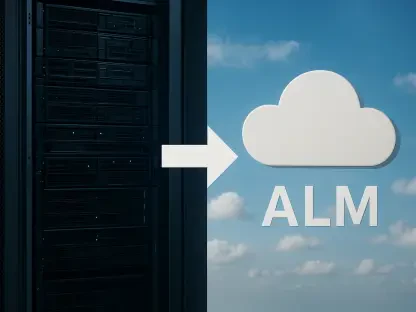

IDrive differentiates itself in a crowded market by offering a pooled storage model that allows a single subscription to protect an unlimited number of household or office devices. In 2026, the digital landscape has transformed into a high-stakes environment where personal and professional data face constant threats from automated ransomware and sophisticated phishing campaigns. As businesses and individuals expand their digital footprints across multiple platforms, the sheer volume of data makes manual management impossible. A reliable backup strategy has shifted from being a luxury for tech enthusiasts to an absolute baseline for survival in a digital-first economy. Financial records, high-resolution media libraries, and critical operational documents are now primarily stored in the cloud or on local solid-state drives, both of which are susceptible to sudden failure or compromise. The emotional and financial cost of data loss has reached an all-time high, driving a surge in demand for automated, resilient, and highly secure storage architectures that can withstand the unpredictable nature of modern computing environments.
The Fundamental Distinction: Understanding Backup versus Synchronization
It is essential for modern users to recognize that cloud backup and cloud synchronization services serve entirely different functions, despite often being marketed under the broad umbrella of cloud storage. Backup services such as IDrive and Backblaze are specifically engineered for disaster recovery and long-term data preservation. They function by creating snapshots of a computer’s entire file system and uploading them to a secure, off-site location. The primary goal is not convenience or collaboration, but rather the integrity of the data over time. These services typically maintain an extensive version history, which allows a user to roll back their files to a specific point in time before a corruption event, accidental deletion, or ransomware attack occurred. This temporal separation is the core of true data protection, ensuring that an error made today does not permanently destroy the work completed yesterday or last year.
In contrast, productivity tools like Google Drive, Dropbox, or Microsoft OneDrive focus heavily on real-time collaboration and cross-device accessibility. While these tools are indispensable for modern workflow efficiency, they prioritize synchronization, which means changes made on one device are immediately propagated to every other connected device and the cloud itself. If a user accidentally deletes a critical folder or if a file becomes corrupted by a software bug, that negative change is synchronized across the entire ecosystem within seconds. This makes synchronization tools a poor primary defense against data loss, as they lack the robust, multi-versioned safety net provided by dedicated backup software. Relying solely on a sync service for data security is a dangerous gamble that leaves the user vulnerable to the very human and technical errors that occur daily in high-speed digital environments.
The distinction becomes even more critical when considering the impact of modern ransomware, which can encrypt entire directories and then sync those encrypted, useless files to the cloud. A dedicated backup service provides an “air-gapped” feel through its versioning system, where the older, clean versions of the files remain untouched by the encryption process. Users who maintain separate backup protocols can simply wipe their infected hardware and restore their entire digital life from a point hours before the attack. This level of resilience is what defines the market in 2026, as the speed of recovery has become just as important as the act of saving the data. Understanding this fundamental difference allows users to build a multi-layered defense strategy that utilizes sync tools for productivity while relying on specialized backup engines for ultimate security and peace of mind.
Market Leaders: Analyzing Versatility and Simplicity in 2026
IDrive continues to lead the industry by providing a versatile platform that caters to the diverse hardware landscape of a typical household or small business. By allowing users to back up an unlimited number of PCs, Macs, iPhones, and Android devices to a single account, it addresses the reality that most people now live in a multi-device world. This “pooled storage” approach eliminates the need for managing multiple individual subscriptions, which often leads to some devices being left unprotected due to cost or complexity. The current version of their software includes highly sophisticated automation features that run quietly in the background, consuming minimal system resources while ensuring that every new document or photo is secured almost the moment it is created. This seamless integration across different operating systems makes it the most flexible solution for users who demand comprehensive coverage without technical friction.
A specific feature that has kept IDrive at the top of the rankings is the IDrive Express service, which provides a physical solution to a digital problem. For users who suffer a total hardware failure and need to recover several terabytes of data, downloading everything over a standard home internet connection could take weeks. IDrive resolves this bottleneck by shipping a physical hard drive containing the user’s entire backup directly to their door. This allows for local-speed restoration, which is significantly faster than any current consumer-grade fiber connection. Once the data is moved back onto the user’s new hardware, the physical drive is returned to the company. This focus on the “last mile” of recovery demonstrates a deep understanding of the practical challenges associated with massive data loss, making it a favorite for those with large media collections or extensive professional archives.
For those who prioritize a streamlined experience, Backblaze remains the gold standard for individual computer backup due to its uncompromising simplicity. It offers truly unlimited storage for a fixed price, removing the anxiety of hitting a storage cap or managing complex tiered pricing structures. The software is famous for its “set-it-and-forget-it” philosophy, requiring almost no configuration after the initial installation. It automatically scans the computer for all important files and begins the upload process without the user needing to select individual folders. This approach is ideal for people who want the highest level of protection with the lowest possible time investment. In 2026, where digital fatigue is a common issue, the ability to outsource data security to a reliable, invisible partner is a value proposition that continues to resonate with a broad spectrum of users.
Backblaze has also maintained its reputation through radical transparency regarding hardware performance and reliability. By regularly publishing detailed reports on the failure rates of the thousands of hard drives they use in their data centers, they provide an invaluable service to the broader tech community. This transparency builds a unique level of trust, as users can see exactly what kind of infrastructure is being used to protect their personal information. This commitment to data-driven honesty, combined with their straightforward pricing and easy-to-use interface, makes them a perennial favorite for anyone seeking a robust, no-nonsense backup solution. Their mobile application also allows for quick access to files on the go, ensuring that while the service is built for backup, the data remains accessible whenever a quick retrieval is necessary.
Specialized Ecosystems: Merging Cybersecurity with Data Restoration
Acronis Cyber Protect has redefined the market by merging traditional backup capabilities with advanced cybersecurity defenses. Recognizing that data recovery is only half the battle, the platform includes active anti-ransomware and antivirus engines that scan files in real-time. This proactive approach aims to stop threats before they can even touch the data, creating a unified defense layer that is particularly attractive to power users and small businesses. In 2026, the complexity of managing separate security and backup software has become a significant burden, and Acronis solves this by providing a single dashboard to manage both. The integration goes deep, with the system even checking the integrity of backups to ensure they haven’t been compromised by hidden malware, providing a level of certainty that few other providers can match.
Carbonite remains a steadfast choice for non-technical users who require a traditional and reliable experience focused on core file protection. Its interface is intentionally designed to be non-intimidating, focusing on the primary mission of ensuring that the user’s most important documents and photos are always safe. While it may not offer the extreme customization or the hybrid security features found in more complex platforms, its reliability is legendary. The service excels at working quietly in the background, often going unnoticed until the moment a file needs to be recovered. For individuals who primarily use a single computer for work or personal life, Carbonite provides a solid, dependable bridge to safety that avoids the pitfalls of over-engineered software, ensuring that the recovery process is as simple as the backup process.
On the enterprise and professional end of the spectrum, CrashPlan has carved out a niche by focusing almost exclusively on business continuity and endpoint protection. Its service is designed to scale from a single freelancer to a massive corporation with thousands of employees. One of its standout features is the unlimited version history, which allows businesses to recover a specific file state from months or even years ago. This is vital for legal compliance and for situations where a data error might not be discovered for an extended period. The centralized management console allows IT administrators to monitor the backup status of every machine in the organization, ensuring that no laptop or workstation falls behind on its protection schedule. This focus on the business user makes it an essential tool for maintaining operational resilience in an increasingly volatile digital economy.
The rise of specialized solutions highlights a shift toward “intelligent” backup, where the software understands the context of the data it is protecting. Many of these professional-grade tools now include automated categorization, which prioritizes the backup of the most important file types, such as financial databases or active project files, over less critical system data. This ensures that even if an internet connection is slow, the most vital assets are protected first. As we navigate the middle of this decade, the choice of a backup provider often depends on which specific risks a user is most concerned about—whether it is hardware failure, cybercrime, or accidental deletion—and the industry has responded with a diverse range of tools tailored to those exact needs.
Alternative Storage Models: Lifetime Value and Privacy Centricity
Users who are increasingly weary of the subscription economy are finding a compelling alternative in pCloud, which has gained significant traction for its unique lifetime pricing model. By paying a one-time fee, users can secure several terabytes of cloud storage for the duration of their lives, effectively treating the service as a permanent virtual hard drive. While pCloud functions as a hybrid between cloud sync and backup, its robust automatic backup features for mobile devices and desktop folders make it a strong contender for those looking for long-term value. In 2026, where monthly costs for various digital services can quickly spiral out of control, the ability to “own” a piece of cloud infrastructure is a refreshing and financially sound strategy for savvy consumers who plan their digital lives years in advance.
Privacy-conscious individuals and professionals in sensitive fields are gravitating toward Proton Drive, which applies the same rigorous end-to-end encryption standards to file storage that made Proton Mail a global success. Based in Switzerland, the service operates under some of the world’s strictest privacy laws, ensuring that the data is protected from both hackers and government surveillance. The “zero-knowledge” architecture means that the encryption keys are held only by the user; even the employees at Proton cannot see what is stored in the account. This level of security is indispensable for journalists, legal professionals, and activists who require absolute confidentiality. While it may lack some of the automated system-wide backup features of more traditional providers, its commitment to privacy makes it the premier choice for securing highly sensitive assets.
The trade-offs between extreme privacy and general convenience are a central theme in the current backup landscape. Services like Proton Drive offer unmatched security but require the user to be more diligent about managing their own keys and selecting specific files for protection. On the other hand, more mainstream services offer greater automation and recovery features like physical drive shipping but may not provide the same level of cryptographic isolation. Deciding between these models requires a clear understanding of an individual’s specific threat model. For most users, the goal is a balance between ease of use and sufficient security, but for those at the high end of the risk spectrum, the privacy-first models of 2026 offer a sanctuary that was once only available to those with advanced technical knowledge.
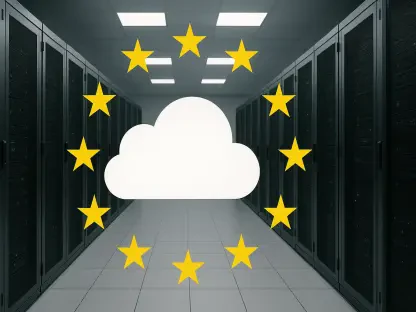
Furthermore, the emergence of regional cloud providers has allowed users to choose exactly where their data is physically stored, a feature that has become increasingly important due to changing international data sovereignty laws. This “geographic backup” allows users to keep their data within specific jurisdictions to take advantage of favorable privacy protections or to comply with local business regulations. As the internet becomes more fragmented along geopolitical lines, the ability to select the physical location of a data center is no longer a niche requirement but a standard feature for high-end backup solutions. This trend toward data sovereignty ensures that users have more control over their digital legacy than ever before, reflecting a broader movement toward user empowerment in the digital age.
Native Integration Risks: Evaluating Large Ecosystem Cloud Services
The convenience of using built-in services like Microsoft OneDrive, Google Drive, and Dropbox cannot be overstated, as these platforms are deeply integrated into the operating systems and productivity suites that dominate the modern workplace. By 2026, these services have significantly upgraded their backup capabilities, moving beyond simple file syncing to include more comprehensive folder protection and basic versioning. For many casual users, the “good enough” protection offered by these giants is a tempting alternative to paying for a separate service. Microsoft OneDrive, for instance, seamlessly backs up the Desktop, Documents, and Pictures folders of Windows users, providing a baseline level of protection that requires zero effort to set up. This integration makes it a natural first line of defense for millions of people worldwide.
However, relying exclusively on these ecosystem players carries inherent risks, primarily because their primary design goal is synchronization rather than disaster recovery. Dropbox has introduced the “Rewind” feature, which allows users to revert an entire account to a previous state, a move that brings it much closer to a true backup service. Yet, these tools often struggle with “image-based” backups, which would allow a user to restore an entire operating system, including all installed applications and system settings, to a new piece of hardware. When a computer’s internal drive fails completely, a sync-focused service can only return the files, leaving the user to spend hours or days reinstalling software and reconfiguring their environment. This gap in functionality is where dedicated backup providers like Acronis or IDrive still hold a significant advantage.
Another concern with large ecosystem providers is the risk of account lockout or service outages that can simultaneously cut off access to communication, work documents, and backups. Because Google and Microsoft accounts are often tied to every aspect of a person’s digital life, a single security flag or an automated policy violation can lead to a total loss of access to all stored data. This “all eggs in one basket” scenario is a major point of failure for a robust backup strategy. Diversifying where data is stored by using a third-party backup provider ensures that even if a primary work account is compromised or locked, the critical backups remain accessible through a completely separate set of credentials and infrastructure. This separation is a key principle of data resilience that remains highly relevant in the current year.
Ultimately, while the big tech providers offer excellent tools for daily productivity and basic file safety, they should be viewed as one component of a broader strategy rather than a total solution. The most effective approach in 2026 involves using OneDrive or Google Drive for active projects and collaboration, while simultaneously running a dedicated backup service in the background to capture a complete, immutable copy of the entire system. This dual-layered method provides the best of both worlds: the high-speed accessibility and sharing features of the major cloud providers, combined with the deep recovery and “set-it-and-forget-it” security of a specialized backup specialist. By recognizing the limitations of integrated tools, users can build a more resilient digital life that can withstand both minor glitches and major catastrophes.
Strategic Implementation: Navigating Physical Recovery and Future Readiness
The landscape of data protection reached a turning point where the convergence of cybersecurity and restoration became the industry standard. This shift moved the market toward a “Cyber Protection” model, where the focus transitioned from merely saving copies of files to ensuring the entire digital environment remained resilient against active threats. In recent years, the most successful implementations prioritized services that offered an integrated approach, effectively combining threat detection with automated recovery protocols. This evolution demonstrated that in a world of high-speed attacks, the manual intervention required by older backup models was no longer sufficient. Organizations and individuals alike shifted their investments toward platforms that could identify a breach and immediately begin the restoration process from the last known clean state without human oversight.
Physical logistics also played a surprisingly vital role in the effectiveness of digital safety plans throughout the mid-2020s. Despite the proliferation of high-speed satellite and fiber internet, the sheer density of modern data sets—often reaching tens of terabytes for even modest users—created a significant bottleneck during total recovery events. The continued reliance on physical drive shipping services proved that the fastest way to move massive amounts of data was still through a courier rather than a cable. This practical reality forced a re-evaluation of what a “cloud” service should provide, leading to a hybrid model where the convenience of the cloud was backed by the raw speed of physical hardware delivery. Users who integrated these physical contingencies into their disaster readiness plans recovered significantly faster than those who relied solely on digital downloads.
Privacy and sovereignty also solidified their positions as non-negotiable requirements for any top-tier service. The investigation into the best solutions identified that client-side encryption and zero-knowledge architectures were the most sought-after features, as users moved away from providers that maintained any level of access to their private information. Strategic plans for data management prioritized Swiss or European-based hosting to take advantage of robust legal protections against unauthorized data harvesting. By the time the current evaluation was completed, the market had clearly divided into those who provided “transparent” storage and those who provided “blind” storage, with the latter becoming the preferred choice for those handling intellectual property or sensitive personal records. This move toward absolute privacy was a direct response to the increasing value of data as a personal and professional asset.
The final assessments of available tools highlighted that the most effective strategy involved matching a provider’s specific architectural strengths with the user’s actual risk profile. High-volume media creators gravitated toward IDrive’s pooled model, while those seeking minimal maintenance remained loyal to Backblaze’s simplicity. Meanwhile, the enterprise sector stayed focused on the granular controls and versioning depth offered by CrashPlan. These choices reflected a mature market where the primary concern was no longer just the act of backing up, but the speed, security, and certainty of the eventual restoration. The focus on actionable next steps emphasized the importance of regular recovery drills and the maintenance of separate, redundant accounts to ensure that no single point of failure could ever lead to a permanent loss of information in this complex digital age.