
Maintaining a twenty-five-frame-per-second streaming deadline is the primary technical requirement for digital avatars to prevent playback stalling during real-time rendering. As generative video technology advances, the demand for high-fidelity, real-time interaction has pushed existing

Utilizing a consumption-based operating expenditure model prevents telecommunications providers from sinking capital into idle infrastructure. The telecommunications landscape is currently undergoing a pivotal transformation, moving away from a traditional focus on static reliability toward a more

High-fidelity data migration depends on preserving vital metadata such as original timestamps, routing headers, and non-standard attachments without corruption. In the current enterprise landscape of 2026, the migration of digital assets is no longer a simple file transfer but a complex surgical
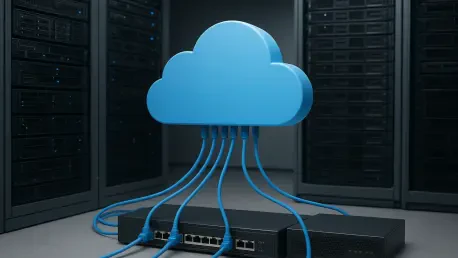
By hosting quantum hardware within an AI-centric data center, cloud providers are creating unique testbeds for scientific breakthroughs in materials science and cryptography. This paradigm shift signals that the era of isolated quantum experiments is ending, replaced by a sophisticated ecosystem

Vector database search and retrieval-augmented generation infrastructure now represent a permanent and significant new line item on monthly AI cloud invoices. As enterprises move beyond the initial experimental phase of generative AI, the focus has shifted from simple curiosity to a rigorous

The surging demand for AI resource flexibility has forced a rethink of how enterprise software value is measured and communicated to global investors and analysts. While traditional seat-based licensing once served as the bedrock of software-as-a-service, the current landscape of 2026 sees