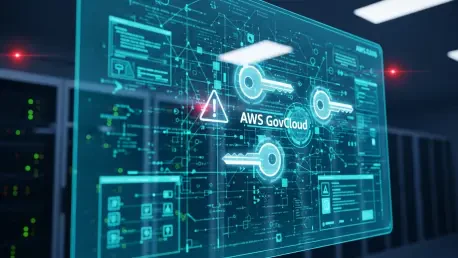

The rapid migration of federal workloads to decentralized cloud environments has created a landscape where traditional perimeter defenses are often insufficient against modern, data-centric threats. As government agencies and the Department of Defense navigate these complexities in 2026, the demand

The rapid acceleration of artificial intelligence integration into professional workflows has created a fertile ground for sophisticated cyberattacks that specifically target the engineering community's desire for cutting-edge productivity tools. As developers rush to adopt the latest iterations of

The rapid proliferation of remote access technologies has transformed the corporate perimeter into a porous boundary, frequently leaving critical infrastructure vulnerable to exploitation by sophisticated threat actors. While Remote Desktop Protocol and Virtual Network Computing serve as the

The once-impenetrable steel gates of corporate data centers have been replaced by a thin, digital veil comprised of usernames and passwords that are being shattered with alarming frequency. In the current landscape of 2026, a staggering 83% of organizations reported at least one identity-related

The digital landscape is currently witnessing a fundamental shift in how software interacts with the global economy, as autonomous agents move beyond simple data processing to execute real-time financial transactions. As these intelligent systems become more pervasive, the friction between
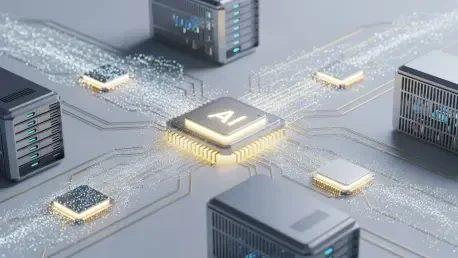
The massive scale of artificial intelligence development has reached a historic turning point as firms move beyond conceptual software to the physical reality of massive industrial computing power requirements. This transition is exemplified by the decision to allocate approximately $200 billion