

Security failures in regulated environments frequently stem from organizational gaps in governance rather than simple technical glitches or external attacks. As digital transformation has evolved from an aspirational goal into a mandatory baseline for enterprise operations, the traditional security

The risk of 'tailored' phishing attempts has increased significantly for those whose personal data was compromised during the July infiltration of Apollo’s systems. This breach represents a pivot in how threat actors target high-value financial institutions by bypassing technical firewalls in favor
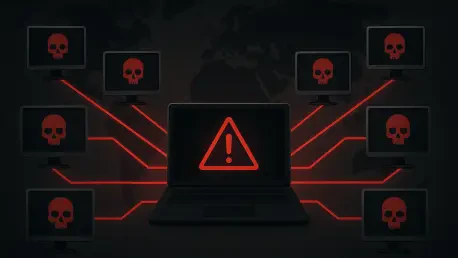
Most modern large-scale DDoS attacks originate from botnets composed of hijacked computers, servers, and IoT devices whose owners are completely unaware of the compromise. As the global digital ecosystem expands through 2026 and 2028, these distributed networks have evolved into sophisticated

Security researchers have identified 526 active root access keys that provide total administrative control over corporate cloud infrastructures, bypassing all permission policies. This discovery highlights a profound gap in basic cloud hygiene that persists despite years of warnings regarding

The weaponization of vulnerable consumer hardware has created a new era of massive botnets that require a more aggressive defensive posture from ISPs. As the digital landscape in 2026 becomes increasingly dense with interconnected smart devices, the surface area for potential exploitation has

Within just seventy-two hours of the official patch release, threat intelligence firms recorded active scanning across honeypot networks for the critical SAP Commerce Cloud vulnerability. This alarming development underscores a terrifying reality for modern digital enterprises: the gap between a