
The modern enterprise no longer exists within the physical confines of an office building, but lives instead within a complex web of interconnected digital identities that define the new security perimeter. This shift turned every login, every device, and every automated process into a potential

As organizations grapple with an increasingly fragmented digital perimeter, the historical reliance on third-party intermediaries to provide robust cybersecurity solutions has faced unprecedented scrutiny from stakeholders demanding more direct vendor accountability. While some argue that the
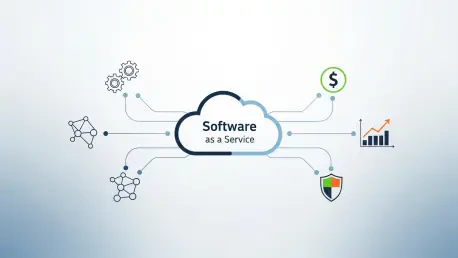
The enterprise software market is currently witnessing the dismantling of the traditional Software-as-a-Service value proposition that relied on simple user interfaces to bridge minor workflow gaps. For years, companies gladly paid monthly fees to avoid the massive engineering overhead associated

The rapid proliferation of autonomous artificial intelligence agents across enterprise security layers has fundamentally altered the landscape of threat detection and incident response protocols. These agents, designed to operate with minimal human oversight, possess the capability to analyze vast

The increasing frequency of sophisticated supply chain attacks and zero-day vulnerabilities has forced many engineering teams to prioritize security at the expense of rapid development cycles and innovation. While enterprise-grade scanning tools have traditionally required significant financial

Software engineering teams are currently grappling with an unprecedented volume of code changes that far outpace the capacity of traditional manual review processes, necessitating a fundamental shift toward intelligent automation. Within the current ecosystem of the Google Cloud Platform, the