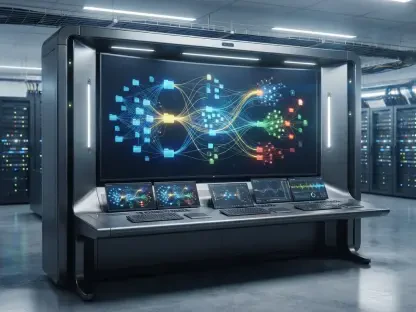

The technological landscape of the mid-2020s has been defined by a relentless pursuit of integration and accessibility, leading to a pivotal realignment of how artificial intelligence is deployed at the enterprise level. The ability to run OpenAI’s agentic workflows directly on Google’s

The transition toward specialized AI roles represents a broader industry trend where model builders are providing the human resources needed for complex integration. For enterprises that have spent the last few years experimenting with isolated pilot projects, the pressure to deliver measurable

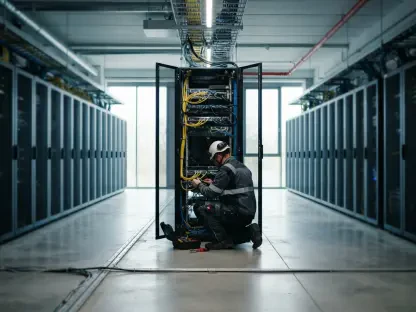
The unexpected power supply malfunction in the europe-west2-b zone on October 20 disabled 38 essential cloud products used by major British financial institutions. This hardware failure within a primary London data center highlighted the extreme vulnerability of the United Kingdom's digital economy

Using the Horizontal Pod Autoscaler and the Vertical Pod Autoscaler on the same resource metric creates a dangerous feedback loop that disrupts cluster stability. In the rapidly evolving landscape of 2026, maintaining a robust Kubernetes environment requires a nuanced understanding of how these
Modern AI infrastructure has transitioned toward specialized providers that offer root-level SSH access and preconfigured environments to bypass the complexity of traditional hyperscalers. This shift is primarily driven by the increasing demand for high-density compute resources that can handle the

The shift from experimental generative AI to production-grade deployments requires a fundamental move away from inefficient and costly context stuffing techniques. As the technology landscape matures in 2026, the initial novelty of simple prompt-response interactions has been replaced by a rigorous