The rapid evolution of decentralized infrastructure has created a significant management gap where traditional, siloed methodologies no longer suffice for maintaining enterprise-grade resilience and agility. For a considerable period, the industry accepted a fragmented status quo where networking teams, security analysts, and cloud architects operated within their own specialized bubbles using disparate, non-communicative tools. The recent unveiling of Cisco Cloud Control signals a fundamental departure from this legacy approach, marking a strategic transition from being a primary vendor of discrete hardware and software products to acting as a unified platform operator. By weaving together the disparate threads of networking, security, and computing into a singular operational fabric, the initiative aims to simplify the management of complex digital environments that require coordination at machine speed. This evolution is not merely about aesthetic consistency but represents a structural reorganization designed to meet the demands of a high-velocity digital economy. As organizations grapple with increasing infrastructure complexity, the transition toward a unified control plane becomes a vital necessity for those seeking to transform technical debt into a competitive operational advantage.
Redefining Operations Through Agentic Collaboration
Integrating Human Intuition: The Advancement of AgenticOps
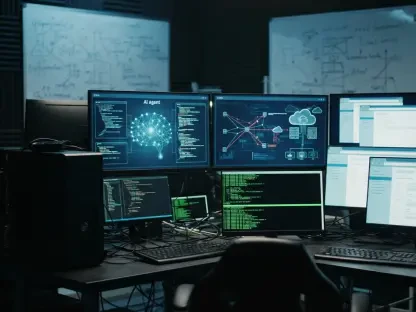
At the core of this operational shift is the concept of AgenticOps, a visionary approach that envisions IT professionals and artificial intelligence agents working in seamless tandem to manage infrastructure. This initiative introduces the AI Canvas, a shared digital workspace designed to facilitate high-level collaboration across diverse technical domains like networking and application performance monitoring. Unlike standard automated systems that function as reactive chatbots, the agents within this system are designed to assist staff in constructing comprehensive plans and gathering evidence for complex troubleshooting tasks. This collaborative environment ensures that when a performance bottleneck occurs in a multi-cloud setup, the AI can propose a sequence of remediation steps while the human operator maintains final authority. This synergy effectively bridges the gap between deep machine learning capabilities and human contextual intuition, allowing for a more nuanced response to infrastructure challenges that often involve multiple intersecting layers of the technology stack.
The implementation of these intelligent agents represents a move toward active problem-solving where the system itself possesses the logic required to understand organizational intent and policy. By embedding these capabilities directly into the daily workflow, the platform significantly reduces the cognitive load on engineering teams who previously had to correlate data manually across multiple management screens. The AI Canvas serves as a persistent record of the investigative process, ensuring that the rationale behind every operational decision is documented and transparent for future audits. This level of transparency is essential in a modern regulatory environment where accountability for automated actions is just as important as the speed of resolution. Furthermore, as the agents learn from the specific architectural nuances of an organization, they become increasingly effective at predicting potential conflicts before they impact the end-user experience. This evolution from reactive maintenance to proactive orchestration defines the next phase of enterprise infrastructure management.
Synchronizing Control Planes: Eliminating Legacy Product Silos
Historically, the complexity of managing a large-scale technology portfolio was exacerbated by the existence of separate management consoles for networking, security, and collaboration tools. Each product group within the corporate ecosystem often operated with its own identity systems and policy engines, placing a heavy administrative burden on IT departments tasked with maintaining a unified security posture. Cisco has addressed this by dissolving the digital walls that previously separated core offerings like Meraki, Splunk, and Intersight. By introducing a unified identity system and a single sign-on experience across the entire suite, the platform ensures that a policy change in one area is instantly reflected and recognized across the entire infrastructure. This convergence allows for a more holistic view of the organization’s health, as telemetry from diverse sources is now funneled into a common data lake. This streamlined approach minimizes the risk of human error, which is often a primary cause of outages when administrators are forced to jump between inconsistent interfaces.
Beyond the immediate benefits of a simplified user interface, the integration of these traditionally siloed products creates a more reliable and auditable environment for high-stakes operations. When networking and security tools share a common identity framework, it becomes much easier to track the lifecycle of a specific configuration change or a security incident response. This unified management plane provides a single source of truth that is vital for maintaining compliance with evolving global data protection standards and internal governance requirements. It also enables deeper cross-product insights; for example, network traffic patterns from edge devices can be analyzed alongside security alerts from threat detection systems within the same contextual window. This level of interconnectedness ensures that infrastructure teams can move away from fragmented troubleshooting toward a more integrated strategy where every component of the ecosystem informs the others. Consequently, the organization benefits from a significant reduction in time-to-resolution for critical issues, as relevant information is always available.
Expanding the Ecosystem and Fortifying Security
Facilitating Interoperability: The Multi-Vendor Command Center
Recognizing that modern enterprises rely on a diverse array of service providers, the platform has been built with a focus on open interoperability and ecosystem expansion. A central component of this strategy is a dedicated marketplace that features deep integrations with over fifty industry partners, including major cloud hyperscalers like Amazon Web Services, Microsoft Azure, and Google Cloud. This allows businesses to ingest data and manage resources that exist outside of the Cisco hardware ecosystem, effectively turning the dashboard into a universal command center for the entire IT estate. By facilitating the flow of third-party telemetry into its unified analytics engine, the platform enables a comprehensive management strategy that encompasses on-premises servers, edge devices, and public cloud instances. This multi-vendor support is crucial for organizations that have invested heavily in various point solutions but require a centralized layer of governance to ensure that their disparate assets are performing optimally and securely across all environments.
The ability to connect existing tools to a centralized dashboard empowers organizations to build custom operational workflows that reflect their specific business requirements and technical constraints. Rather than forcing a complete replacement of existing investments, this approach allows for the gradual integration of legacy systems into a modern, automated management framework. This is particularly beneficial for large-scale migrations or hybrid cloud strategies where maintaining visibility across different environments is notoriously difficult for operations teams. The marketplace provides a variety of pre-built connectors and automation templates that reduce the time and effort required to link diverse platforms together into a cohesive unit. By serving as the connective tissue between various technology providers, the platform simplifies the orchestration of complex services that span multiple providers. This creates a more flexible infrastructure that can adapt to changing market conditions without being hindered by the limitations of proprietary systems that prevent the exchange of operational data.
Enhancing Network Defense: Integrated Threat Response
Modern cybersecurity requires a defensive strategy that is as dynamic and interconnected as the attacks it seeks to prevent, making the fusion of security and network management a vital development. By linking security policies directly to the underlying network control plane, the platform allows for an immediate response to anomalies as they are detected at the packet level. In older models, a security alert might be generated in an isolated console, requiring an administrator to manually verify the threat and then log into a separate networking tool to quarantine the affected segment. This lag time provided attackers with a critical window to move laterally through the enterprise environment and cause significant damage. With Cloud Control, the coordination between detection and mitigation happens almost instantaneously, as the system can automatically apply restrictive policies across the entire fabric. This proactive defense mechanism is designed to handle sophisticated, fast-moving threats that can compromise digital assets in minutes, ensuring infrastructure remains resilient.
The integration of advanced data analytics into the core networking stack further enhances the organization’s ability to conduct real-time forensic investigations and proactive threat hunting. Security teams can now leverage high-fidelity network telemetry to identify subtle patterns that might indicate a sophisticated breach attempt or a potential insider threat. This deeper level of visibility is complemented by the ability to orchestrate automated responses that are tailored to the specific nature of the threat, such as isolating a compromised workload while allowing non-affected services to continue. By removing the disconnect between the people managing the network and those securing it, the platform fosters a culture of shared responsibility and closer technical collaboration. This unified posture not only improves the speed of response but also reduces the overall risk profile of the organization by ensuring that security is an inherent feature of every configuration. In an environment where the attack surface is constantly expanding, this integrated approach provides the clarity to maintain control.
Strategic Implementation and Long-Term Value
Optimizing Infrastructure: Mitigating Portfolio Sprawl
One of the most significant challenges facing modern IT departments is the phenomenon of portfolio sprawl, where an accumulation of various technologies over time leads to an unmanageable environment. The shift toward a unified platform directly addresses this issue by consolidating the management of different technology generations and types under a single administrative umbrella. This consolidation allows organizations to extract greater value from their existing investments by making it easier to identify underutilized resources and optimize performance across the board. By reducing the time spent on manual troubleshooting and repetitive configuration tasks, IT professionals are freed up to focus on higher-value initiatives that drive genuine business innovation. The goal is to transform what was once a complex list of individual products into a cohesive, high-performance unit that serves as a strategic asset for the company. This efficiency is not just about cost reduction; it is about creating a more agile and responsive technology foundation.
The transition to a platform-centric model also facilitates a fundamental change in the role of the IT professional, moving them from reactive technicians to strategic overseers of the enterprise ecosystem. As the platform takes over the mundane aspects of system maintenance and basic remediation, staff can spend more time analyzing performance data and refining long-term infrastructure strategies. This shift is supported by the platform’s ability to provide high-level insights into how different technical components contribute to overall business goals, such as user experience and service uptime. By providing a clear view of the entire technology stack, the platform enables better decision-making and more accurate resource allocation across the entire enterprise. This strategic oversight is essential for maintaining a competitive edge in a market where technical agility is often the primary differentiator between successful organizations and their peers. Ultimately, the move toward unified cloud control represents a commitment to operational excellence and long-term organizational stability.
Executing Strategic Milestones: Governance and Actionable Results
To maximize the benefits of this platform, IT leaders should prioritize the establishment of cross-functional pilot teams that span networking, security, and cloud divisions. These teams must focus on identifying common operational friction points that can be resolved through unified policy application and shared telemetry. It is recommended to begin with the integration of existing telemetry sources from major cloud providers to gain immediate visibility across the entire hybrid estate. Organizations should also develop a rigorous governance framework for the use of AI agents, ensuring that automated actions are balanced with human oversight to prevent accidental disruptions to critical services. Furthermore, businesses should regularly review their infrastructure strategy to ensure that the unified platform is effectively reducing the total cost of ownership by eliminating redundant management tools. By setting clear performance benchmarks and maintaining a focus on strategic integration, companies can ensure their technical infrastructure remains a primary driver of innovation.
As the implementation of unified control planes progressed throughout the year, several critical insights emerged regarding the long-term governance of agentic enterprises. Successful organizations discovered that the transition required the creation of specialized internal boards to oversee the evolution of automated policies and agent behaviors. These teams worked to define the specific boundaries within which AI agents could act independently, while also establishing the triggers that demanded immediate human intervention. The integration of diverse telemetry sources also highlighted the need for improved data hygiene practices across the organization to ensure the accuracy of the insights generated by the platform. By addressing these foundational elements, businesses transformed their infrastructure from a collection of isolated tools into a responsive, self-healing system that adapted to the changing needs of the business. These initiatives demonstrated that the true value of the platform lay in its ability to foster a more strategic and integrated approach to technology management across the entire enterprise.