
IT managers currently face a fragmented landscape where every networked AV device requires a separate, proprietary dashboard for basic monitoring. This disjointed environment stems from years of hardware-centric development where manufacturers prioritized internal ecosystems over external compatibility. In recent years, leadership within the OpenCloud AV initiative has advocated for a departure from these siloed practices, highlighting how they hinder the efficiency of modern IT departments. Managing isolated slices of data creates unnecessary overhead and complicates the fundamental goal of networking, which is streamlined interoperability. The reliance on parallel systems makes it nearly impossible to gain a comprehensive overview of a building’s operational health, leading to delays in troubleshooting and resource allocation. Moving toward a unified cloud framework represents a critical pivot, allowing organizations to treat audiovisual assets as standard IT components. This shift is essential for bridging the gap between hardware and software management.
Overcoming Manufacturer Silos: The Shift to Open Cloud Architectures
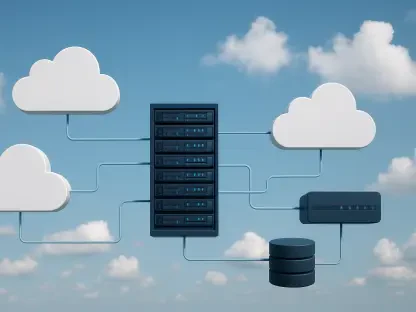
Standardizing connectivity through open cloud APIs allows diverse devices to interact on a single, transparent plane, effectively eliminating the restrictive vendor lock-in that previously dictated procurement strategies. This architectural evolution ensures that legacy equipment remains functional alongside the latest hardware, preventing the costly rip-and-replace cycles that often drain corporate budgets. Instead of being forced into a single manufacturer’s ecosystem, facility managers can select the best-in-class components for specific needs, confident that they will integrate seamlessly into the overarching monitoring system. Furthermore, this approach establishes a consistent security posture across all endpoints, which is critical as cyber threats evolve from 2026 to 2028. Total visibility across the network means that unauthorized access or performance dips can be detected immediately, regardless of the brand on the bezel. This transparency is the cornerstone of a modern, resilient AV/IT infrastructure that prioritizes operational continuity.
The shift toward an open cloud layer served as the essential prerequisite for implementing advanced artificial intelligence and predictive analytics within the workplace. These tools became truly effective only when they were granted access to a holistic data stream representing the entire room environment rather than isolated metrics from individual brands. By analyzing historical performance and real-time environmental data, the system successfully identified potential hardware failures before they impacted meetings, transitioning the maintenance model from reactive to proactive. Technical departments observed a marked reduction in help-desk tickets as automated oversight handled routine troubleshooting and performance optimization. For the remaining years of the decade, the focus moved toward refining these autonomous responses and integrating them deeper into building management systems. Organizations that embraced this integrated framework secured a competitive advantage by maximizing asset lifespans while providing a superior user experience. This transition successfully merged AV and IT into a single discipline.