
As the global demand for generative artificial intelligence reaches a fever pitch, Meta Platforms is navigating a radical pivot that extends far beyond its traditional boundaries as a social media conglomerate. This strategic evolution is epitomized by the internal initiative known as “Meta Compute,” a project designed to transform the company’s vast internal hardware resources into a commercial leasing platform. By entering into high-stakes negotiations with competitors like Anthropic, Meta is signaling a willingness to monetize its massive investments in #00 and B200 GPU clusters. This shift reflects a broader industry trend where the sheer physical capacity to train large-scale models has become more valuable than the proprietary nature of the software itself. For years, Meta focused solely on its own ecosystem, but the current landscape demands a more flexible approach to asset utilization. This transition highlights the immense pressure on modern tech giants to find sustainable returns on the astronomical capital expenditures required to stay relevant in the age of intelligence.
Transforming Proprietary Assets into Revenue Streams
Capitalizing on Growth: Leveraging High-Performance Infrastructure
The decision to lease out hardware is a pragmatic response to the staggering financial commitments Meta has made to its digital infrastructure, with capital expenditures projected to hit approximately $145 billion throughout 2026. This immense spending has traditionally been viewed as a necessary cost of doing business in the metaverse and AI sectors, but shareholders are increasingly demanding proof of direct profitability. By opening its high-performance data centers to external developers, Meta is effectively turning a massive cost center into a significant revenue engine. This model allows the company to offset the depreciation costs of its server fleets while simultaneously supporting the growth of the wider AI ecosystem. It is no longer just about building a wall around its own products; it is about becoming the foundational layer upon which the rest of the industry operates. This strategy ensures that even if internal projects fail, the underlying physical assets remain productive.
Building the Neocloud: Recruiting for Enterprise Success
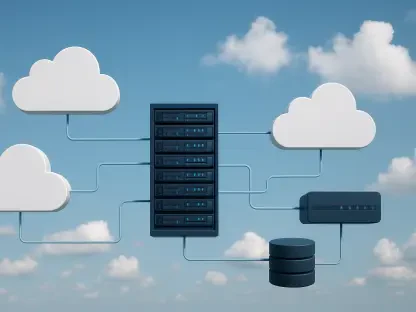
To facilitate this complex transition, Meta is essentially constructing a “neocloud” architecture designed to compete with established hyperscalers like Amazon Web Services and Google Cloud. Building a service-oriented cloud from scratch is no small feat, requiring not just physical hardware but also the software layers and support structures necessary to manage external clients. To bridge this expertise gap, the company has aggressively recruited seasoned veterans from the traditional cloud industry to lead the “Meta Compute” initiative. These hires bring a wealth of experience in enterprise service management, security protocols, and high-availability architecture. This move represents a profound cultural shift for a company that has historically prioritized internal engineering speed over the rigid requirements of third-party service level agreements. Navigating the nuances of multi-tenant environments and client confidentiality is now a top priority as Meta seeks to be a reliable partner.
Anthropic’s Urgent Search for Computing Power
Strategic Resource Acquisition: Securing the Resources for Global Expansion
Anthropic, the developer behind the highly sophisticated Claude AI models, is currently grappling with a severe “compute crunch” that has limited its ability to scale operations at the desired pace. This scarcity of processing power has forced the startup to occasionally throttle usage for its most advanced systems, potentially alienating power users and slowing down the pace of iterative model improvements. To maintain its competitive edge against giants like OpenAI, Anthropic must secure massive amounts of compute from every available source, leading them to the door of Meta. A multi-billion dollar agreement would provide the necessary “digital oxygen” to sustain their training runs and support the global rollout of their enterprise applications. For a company eyeing a future public offering, demonstrating a clear path to scalable infrastructure is vital for building investor confidence. The ability to leverage Meta’s specialized AI clusters could be the deciding factor for its future.
Supply Chain Resilience: Diversification and Long-Term Viability
Beyond the potential deal with Meta, Anthropic has been actively pursuing a strategy of infrastructure diversification to avoid over-reliance on any single provider. This approach involves securing specialized access to data centers and forging partnerships with multiple chip manufacturers and cloud providers to create a more resilient supply chain. These arrangements are designed to offer the flexibility needed to pivot should hardware availability fluctuate or if specific architectures become more efficient for their unique model training requirements. In a market where high-end GPUs are the new global currency, having a varied portfolio of compute sources is a critical risk management tactic. This pursuit of decentralized processing power allows Anthropic to scale its training efforts without becoming permanently tethered to the proprietary technologies of a single hyperscaler. By spreading its operational footprint across different locations, the startup ensures its long-term viability remains secure.
The Emergence of the Frenemy Economy
Mutual Dependence: Navigating Competition and Cooperation
The emerging partnership between Meta and Anthropic serves as a prime example of the “frenemy” economy that now defines much of the technology sector’s high-level strategy. While Meta’s open-source Llama models compete directly for the same developer mindshare and market share as Anthropic’s Claude, the physical constraints of the hardware market have forced these rivals into a symbiotic relationship. In this environment, the global shortage of high-end AI chips has rendered traditional competitive boundaries almost irrelevant compared to the necessity of hardware access. Companies are finding themselves in the paradoxical position of funding their rivals’ infrastructure build-outs in order to gain the processing capacity required to improve their own products. This dynamic suggests that the industry is prioritizing pragmatic commercial alliances over ideological or proprietary conflicts. The reality is that the owner of the silicon holds the ultimate leverage regardless of whose logo is on the software.
Market Shift: Infrastructure as a Liquid Commodity
This shift indicates that the broader AI industry is moving away from the “proprietary fortress” mentality that dominated previous eras of software development. Instead, computing power is increasingly being treated as a liquid commodity, similar to oil or electricity, which can be traded and leased according to market demand. In this new landscape, the distinction between a software developer and an infrastructure provider is becoming increasingly blurred as companies adapt to the physical realities of the AI boom. The organizations that control the physical data centers and the energy pipelines required to run them are positioning themselves as the new power brokers of the digital age. This commoditization of compute allows for a more fluid market where resources can be reallocated to whoever can derive the most value from them at any given moment. As a result, the strategic focus is shifting from purely algorithmic breakthroughs to the more mundane but critical challenges of supply logistics.
Financial Implications and Industry Viability
Risk and Reward: Balancing Investor Expectations
Financial markets have greeted these developments with a complex mix of optimism and skepticism, particularly as they weigh the potential for Meta to successfully pivot into the cloud services market. While the revenue potential from multi-billion dollar leasing deals is undeniably significant, the flexible and often short-term nature of these agreements introduces a degree of uncertainty regarding long-term cash flows. Investors are closely monitoring whether this nascent revenue stream will be robust enough to justify Meta’s continued massive capital expenditures on hardware. There is also the question of whether a company built on consumer data and advertising can successfully transition to the service-heavy culture required for enterprise cloud management. If Meta can demonstrate consistent uptime and high levels of customer support for external partners, it could fundamentally change the valuation of the company from a social media giant into a diversified technology utility.
Strategic Scaling: Navigating Execution Risks and Service Trust
Building on this foundation, the success of “Meta Compute” hinges on the organization’s ability to maintain a competitive pricing structure while delivering performance that rivals Amazon or Google. The technical challenge of isolating third-party workloads on internal hardware, originally designed for proprietary use, remains a significant hurdle for Meta’s engineering teams. Furthermore, the company must establish a reputation for neutrality, convincing rivals that their proprietary model weights and training data are secure on Meta-owned servers. This trust is the cornerstone of any successful cloud provider, and for Meta, it requires a transparent and rigorous approach to data governance. As the market for specialized AI compute continues to expand, the ability to rapidly deploy new hardware clusters will determine which providers capture the largest share of the enterprise market. Consequently, Meta is investing heavily in advanced cooling technologies to ensure its data centers operate at peak efficiency.
Industry Transformation: Mastery of Infrastructure Management
To navigate this transition, organizations identified that the next phase of the technological revolution would be defined by the mastery of physical hardware management. Leaders recognized that fostering a service-oriented culture was just as vital as maintaining engineering excellence when dealing with external enterprise clients. Industry analysts noted that the ability to monetize massive compute clusters provided a necessary safety net against the volatile nature of software-driven markets. It became clear that those who controlled the underlying infrastructure would hold the strategic high ground, regardless of which individual AI models eventually dominated the landscape. Companies that prioritized the acquisition of specialized processing power and the development of flexible leasing models positioned themselves for long-term stability. By treating infrastructure as a strategic asset rather than a sunk cost, the technology sector shifted toward a more sustainable and collaborative model of innovation to meet global needs.