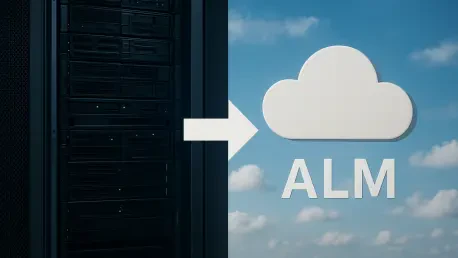

Configuring a new SAP Cloud ALM tenant typically takes only minutes, fundamentally changing the deployment timeline compared to legacy on-premises installations. As the industry moves toward cloud-native solutions, staying on legacy platforms like SAP Solution Manager 7.2 is no longer a viable long-term strategy for enterprises seeking agility. This transition is not just a technical requirement to maintain support; it is a strategic move to a platform designed for the complexities of modern, hybrid landscapes. The most urgent driver for this change is the approaching end of mainstream maintenance for SAP Solution Manager 7.2 on December 31, 2027. While some organizations believe they have until 2030, that extension applies only to those with specific Business Suite 7 extended support contracts. For most, failing to migrate by the 2027 deadline means moving into customer-specific maintenance, which lacks the proactive support needed for mission-critical operations. Proactive leadership must treat this deadline as a governance priority today.
Overcoming Adoption Barriers
Debunking Cost and Licensing Myths
One of the primary reasons organizations hesitate to initiate the move is the lingering misconception regarding the cost of the new platform. In reality, SAP Cloud ALM is included at no additional cost for the vast majority of customers, provided they maintain an active support agreement. This makes the financial barrier to entry virtually non-existent, yet many decision-makers remain unaware that they already possess the rights to use the software. Verifying eligibility through the “SAP for Me” portal is a quick win for any team looking to start the process without a massive capital outlay or a protracted procurement cycle. By identifying these existing entitlements, IT departments can bypass the typical budget approval delays that plague traditional software upgrades. This clarity allows for a more focused discussion on the operational benefits rather than financial hurdles. Furthermore, the lack of licensing fees enables a more experimental approach, where teams can explore features at their own pace without concerns.
Evaluating Resource and Installation Requirements
Another common concern involves technical resource constraints, such as memory limits and the sheer effort required for installation. Unlike the heavy hardware requirements of Solution Manager, Cloud ALM is lean and high-performing; even complex landscapes typically use only a small fraction of the provided fair-use memory capacity. The days of weeks-long installations and complex agent rollouts are gone, replaced by a streamlined, cloud-native architecture that handles the heavy lifting on the backend. A Cloud ALM tenant can be provisioned almost instantly, and system connections are measured in hours, making the technical barrier to entry significantly lower than its predecessor. This shift allows technical staff to focus on configuration and value-added activities rather than hardware provisioning or database maintenance. The reduction in administrative overhead is a primary driver for teams that are currently struggling with the maintenance requirements of the legacy AS Java stack. By shedding these burdens, the IT organization can reallocate talent.
Strategic Gains and Functional Advantages
Enhancing Monitoring through Automated Alerts
Transitioning to SAP Cloud ALM offers functional benefits that legacy systems simply cannot match, particularly in the realm of hybrid cloud monitoring. One of the most practical improvements is the automated management of certificates and API keys, which are often the cause of unexpected downtime. By providing proactive alerts through modern communication tools like Microsoft Teams or Jira, Cloud ALM prevents the silent failures that occur when expired keys disrupt interfaces without crashing the system. This level of visibility ensures business continuity and shifts the IT team from a reactive stance to a proactive one. Instead of waiting for a ticket from a frustrated business user, administrators are notified weeks in advance of a potential issue. This proactive monitoring extends across both on-premises and cloud services, providing a single pane of glass for the entire landscape. The integration with external incident management systems also ensures that alerts are routed to the correct personnel immediately.
Streamlining Implementations with Centralized Transports
The platform also streamlines the implementation side of the lifecycle through centralized transport management and a modern user experience. By utilizing a sleek Fiori interface, Cloud ALM removes the manual friction associated with exporting and importing changes across on-premises and cloud development environments. This unified approach not only speeds up the deployment pipeline but also significantly reduces the risk of human error during complex releases. These efficiencies allow teams to spend less time on system maintenance and more time on high-value development projects that drive business value. Furthermore, the implementation features provide a structured methodology that aligns with SAP Activate, ensuring that projects remain on track and follow best practices. The ability to track progress from requirement gathering through to final deployment within a single tool eliminates the need for fragmented spreadsheets. This transparency fosters better collaboration between development and operations teams.
Execution and Risk Mitigation
Implementing a Parallel Rollout Strategy
The transition does not require a risky big bang cutover; instead, organizations can run SAP Cloud ALM and Solution Manager in parallel to ensure a smooth handoff. This side-by-side approach allows teams to calibrate their monitoring metrics and get comfortable with the new interface without losing the safety net of their existing processes. A phased rollout, starting with development systems before moving to production, ensures that any technical nuances, such as identity management integration, are handled correctly from the start. This transition period is vital for building trust in the new platform’s data and alerting mechanisms. It also provides an opportunity to clean up old monitoring rules that may no longer be relevant in a cloud-forward environment. By running both systems, the IT team can verify that Cloud ALM captures all the necessary telemetry before decommissioning the legacy environment. This methodical pace reduces the stress on the staff and ensures that business operations remain unaffected.
Building a Resilient Future Foundation
The architecture of SAP Cloud ALM was designed to minimize risk by acting as an orchestration layer rather than a single point of failure for the landscape. Even in the rare event of a service disruption, critical administrative tasks can still be executed manually through the underlying systems, ensuring that business-critical functions remained operational. This move to the cloud allowed IT departments to retire significant technical debt while gaining a robust, future-proof management platform. Looking ahead, the focus shifted toward integrating the Identity Authentication Service to ensure seamless user access across all cloud services. Organizations that initiated this journey early discovered that the primary challenges were cultural rather than technical, requiring a shift in mindset toward more automated, cloud-centric operations. The next steps for any enterprise involved a comprehensive audit of current Solution Manager usage to determine which functions were essential for the new environment and which were redundant.