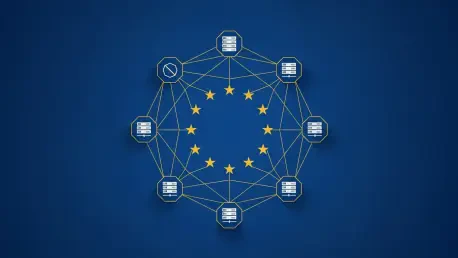

The digital architecture of Europe is currently undergoing its most significant transformation since the dawn of the internet as Brussels prepares to unveil its comprehensive Tech Sovereignty Package. This strategic initiative, scheduled for a formal reveal on May 27, represents a bold attempt to decouple critical European data from foreign infrastructure. The proposal specifically targets U.S.-based cloud giants, aiming to restrict their role in managing sensitive governmental records including judicial, health, and financial data. While American firms have dominated the landscape for decades, the new framework mandates that these high-stakes assets reside on sovereign European soil. This is not a total ban on international competition, but rather a surgical intervention designed to ensure that the continent’s most vital information remains under local jurisdiction. By prioritizing domestic infrastructure, the EU is signaling that digital autonomy is no longer a theoretical debate but a core requirement for national security and economic stability in a fragmented global landscape.
Addressing the Legal and Geopolitical Risks
The primary legal catalyst for this aggressive pivot is the persistent friction between the 2018 U.S. CLOUD Act and Europe’s General Data Protection Regulation. Under the American statute, federal authorities possess the power to demand data from U.S. companies regardless of where their servers are physically situated, a reach that fundamentally clashes with European privacy standards. Legal experts within the European Commission have long argued that this extraterritoriality creates an untenable risk for European citizens and businesses. The threat is not merely academic; it represents a vulnerability where foreign law enforcement could bypass European courts to access sensitive information. Consequently, the push for tech sovereignty is a direct response to this perceived overreach. By establishing a digital border, the EU seeks to restore the supremacy of its own data protection laws, ensuring that European judges, rather than foreign officials, remain the final arbiters of who can access domestic information stored within the cloud.
Beyond legal disputes, the geopolitical instability sparked by the war in Ukraine has intensified the urgency for Europe to secure its critical digital foundations. This conflict served as a wake-up call, demonstrating how quickly international dependencies can turn into strategic liabilities during times of crisis. Officials in Brussels now view cloud infrastructure as being just as vital as energy pipelines or transport networks, necessitating a high level of resilience against external interference. Sectors like finance and public administration are particularly vulnerable, as a sudden disruption or denial of service from a foreign provider could paralyze essential societal functions. This heightened sense of vulnerability has accelerated the transition from reliance on external providers to the development of robust internal alternatives. The move toward a self-sufficient digital ecosystem is therefore framed as a matter of survival, aiming to minimize external leverage and ensure that European institutions can continue to operate effectively even in a volatile global political environment.
Building a Sovereign Infrastructure in Practice
Tangible progress toward digital autonomy is already evident through significant financial investments and the emergence of domestic cloud champions. The European Commission recently awarded a massive 180 million euro tender to four indigenous cloud initiatives specifically designed to support the internal operations of EU institutions. This investment is not just about funding technology; it is about cultivating an ecosystem where European firms can scale to meet the complex demands of modern governance. These initiatives prioritize interoperability and high-level security, providing a viable alternative to the monolithic services offered by global hyperscalers. By diverting public funds toward local providers, the EU is fostering a competitive environment that encourages innovation within its borders. This shift is also encouraging a broader range of small and medium-sized enterprises to participate in the digital economy, ensuring that the benefits of technological advancement are distributed across the bloc rather than being concentrated in a handful of foreign corporations.
National governments are also taking decisive action to replace foreign dependencies with locally developed solutions that offer greater control. In France, for example, the state has successfully deployed Visio, a government-developed video conferencing platform that has replaced foreign services for official communication. This move reflects a broader trend where public sector organizations are prioritizing jurisdictional compliance over the convenience of established global platforms. The private sector is following suit, as corporations increasingly migrate sensitive workloads to EU-based providers to avoid legal complications and ensure long-term strategic alignment. Companies in the health and financial services sectors are particularly keen on these local solutions, recognizing that data residency is no longer just a checkbox but a competitive advantage. This collective migration is creating a self-reinforcing cycle where increased demand for sovereign cloud services drives further investment and technical improvement, gradually bridging the capability gap that previously favored international competitors.
Future Pathways and Regulatory Challenges
For this ambitious Tech Sovereignty Package to become a reality, it must navigate a complex approval process involving all twenty-seven member states. Each nation brings its own set of priorities and existing partnerships to the table, making the road to a unified policy both difficult and essential. Some member states with strong ties to the American tech sector may express reservations about the potential for trade friction or the immediate costs of transitioning to newer, less established systems. However, the prevailing sentiment in Brussels suggests that the long-term benefits of a secure and independent digital ecosystem outweigh the short-term logistical challenges. Negotiators are working to create a framework that allows for flexibility while maintaining the core principles of data sovereignty and security. This legislative journey is a test of European cohesion, requiring a delicate balance between individual national interests and the collective need for a robust digital defense against external influence. The successful adoption of these rules will define the continent’s technological trajectory for the remainder of this decade.
The journey toward digital independence required a multifaceted approach that prioritized local innovation and clear regulatory boundaries. Stakeholders successfully established a roadmap that integrated specialized cybersecurity protocols into the very fabric of new cloud architectures. This transition encouraged leaders to invest heavily in specialized training programs for IT professionals to manage these sovereign systems effectively. Policymakers also developed standardized compliance frameworks that simplified the migration process for smaller organizations that previously lacked the resources to move away from foreign giants. By fostering a collaborative environment where public and private entities shared best practices, the initiative mitigated the risks of technological isolation. These steps ensured that the transition was not merely a defensive reaction but a proactive strategy for sustainable growth. Ultimately, the focus shifted toward building a resilient infrastructure that favored transparency and local accountability, providing a blueprint for other regions seeking to protect their digital future in an increasingly interconnected yet fractured world.