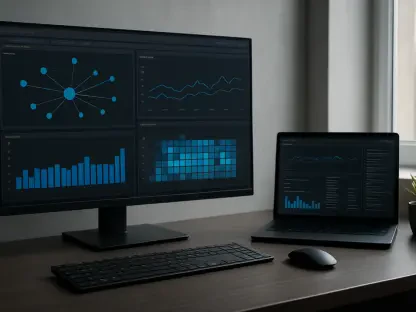

The historical reliance on break-fix models has rapidly deteriorated as modern enterprises demand seamless uptime and predictive maintenance rather than simple emergency interventions. This shift reflects a fundamental transformation where managed service providers no longer simply maintain infrastructure but instead act as strategic data architects. By leveraging advanced telemetry and machine learning algorithms, these firms are now identifying potential hardware failures or software bottlenecks before they impact end-user productivity. The transition is driven by the sheer volume of data generated by Internet of Things devices and cloud-native applications, necessitating a more sophisticated approach to monitoring. Organizations that fail to adopt these data-centric methodologies risk becoming obsolete in an environment where speed and reliability are non-negotiable. Real-time insights allow for a level of customization that ensures IT resources align precisely with specific business goals.
The Integration of Predictive Analytics in Operations
Implementing a data-driven strategy requires the deployment of comprehensive monitoring tools that aggregate logs from disparate sources into a unified visibility layer. This centralized approach enables engineers to correlate events across network, storage, and application tiers, revealing hidden patterns that suggest systemic vulnerabilities. For instance, an MSP utilizing artificial intelligence operations (AIOps) can detect a subtle increase in latency within a database cluster that might otherwise go unnoticed. By addressing these minor anomalies early, service providers significantly reduce the mean time to resolution and improve overall system stability for their clients. This proactive stance is essential for managing hybrid cloud environments where complexity often obscures critical performance indicators. The role of the technician has evolved from a manual troubleshooter to a data analyst who interprets complex streams of information to optimize systems.
Beyond internal operational gains, the pivot toward data-centricity provides a transparent mechanism for demonstrating tangible value to stakeholders through detailed performance reporting. Modern reporting platforms now offer dynamic dashboards that translate technical metrics like packet loss or CPU utilization into business-relevant KPIs such as transaction speed or user experience scores. This transparency fosters a deeper partnership between the MSP and the client, as both parties can objectively assess the health of the IT ecosystem against agreed-upon service level agreements. When data serves as the foundation for communication, discussions shift from anecdotal complaints about slow systems to factual analysis of throughput and capacity planning. This evidence-based dialogue empowers businesses to make informed investment decisions regarding their technology stacks, ensuring that every dollar spent contributes to measurable growth.
Strategic Shifts in Security and Governance
Security remains a primary catalyst for the adoption of data-driven strategies, as the threat landscape in 2026 demands instantaneous detection and response capabilities. Managed security service providers now integrate threat intelligence feeds directly into automated response playbooks, allowing for the isolation of compromised assets within milliseconds. This level of precision is only achievable through the continuous analysis of behavior patterns across the entire network perimeter and internal endpoints. By establishing a baseline of normal activity, data analytics tools can flag unauthorized lateral movement or unusual data exfiltration attempts that traditional signature-based firewalls might overlook. The integration of zero-trust architecture further emphasizes the need for granular data, as every access request must be verified against real-time risk scores. This commitment to data integrity ensures that MSPs provide a robust defense-in-depth strategy for corporate systems.
The industry recognized that raw telemetry was only valuable when converted into actionable intelligence that improved organizational agility and resilience. Successful firms prioritized the integration of automated self-healing systems that adjusted cloud resources based on predictive load modeling. They established clear data governance protocols to maintain the security and accuracy of client information throughout the analysis lifecycle. These providers moved toward performance-based billing structures that aligned their financial success with the actual operational outcomes of their customers. Business leaders observed that investing in these advanced analytics platforms provided a distinct competitive advantage in a crowded marketplace. The focus shifted toward developing internal expertise in data science to stay ahead of evolving technological requirements. Looking forward, the emphasis remained on refining the relationship between human expertise and automated systems for IT management.