
The surging demand for AI resource flexibility has forced a rethink of how enterprise software value is measured and communicated to global investors and analysts. While traditional seat-based licensing once served as the bedrock of software-as-a-service, the current landscape of 2026 sees

The moment a digital ghost walks through the front door of a multinational conglomerate using a legitimate set of keys, the traditional concept of a secure corporate fortress effectively dissolves into thin air. This recent breach of Microsoft Azure and Entra ID portals by a threat actor known as

Modern media infrastructure requires a pragmatic selection process where the choice between virtual machines, containers, and serverless functions is driven by specific workload demands. The current landscape of broadcast and media technology has moved rapidly away from the era of fixed-function

The shift toward system thinking demands that every hardware and software choice be evaluated based on its impact across the entire operational lifecycle. When a large-scale smart utility grid or an automated logistics hub fails to move past the initial pilot phase, the breakdown is rarely caused

Vercel's Fluid Compute architecture focuses on keeping functions warm across concurrent requests while utilizing sandboxed environments to run AI-generated code with high safety and speed. This paradigm shift represents the culmination of a decade-long transition from basic static hosting to a
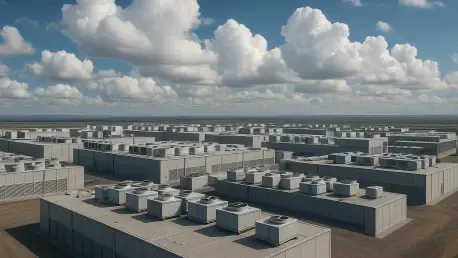
Amazon Web Services continues to lead the global landscape with a twenty-eight percent market share, leveraging its extensive catalog of over two hundred fully-featured services. This dominance is not merely a result of being the first mover in the space but stems from a relentless pursuit of