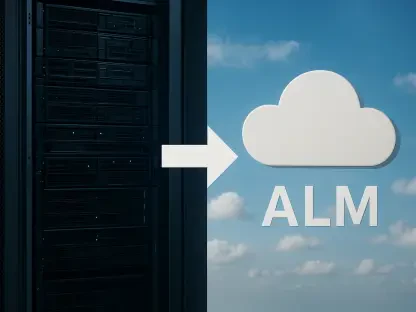

The BlueVerse OneToken framework, launched in late 2026, serves as a vendor-neutral routing layer for AI workloads across AWS, Azure, and Google Cloud. This specific architectural foundation allows global organizations to bridge the gap between initial generative experimentation and sustainable
By directly absorbing the costs of grid enhancements, Oracle is creating a new financial blueprint for how technology giants can secure energy for high-scale computing. This unprecedented move comes at a time when the limitations of physical infrastructure have surpassed semiconductor shortages as

The transition to gatekeeper status requires Amazon and Microsoft to navigate a six-month compliance window starting in late 2026, necessitating a massive re-engineering of their service models for the European market. This regulatory shift by the European Commission signifies a fundamental change

By paying a massive premium for a three-year-old startup, Salesforce is signaling that specialized AI pipelines are currently the most valuable currency in the enterprise software market. The technology giant recently announced a definitive agreement to acquire Listen Labs, an innovative AI
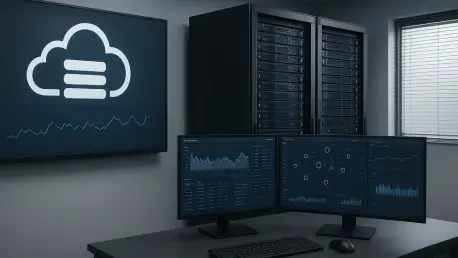
Self-scaling systems powered by artificial intelligence allow DevOps pipelines to allocate resources automatically by analyzing live traffic patterns as they occur. This fundamental shift has transitioned the concept of a data center from a physical collection of hardware into a dynamic,
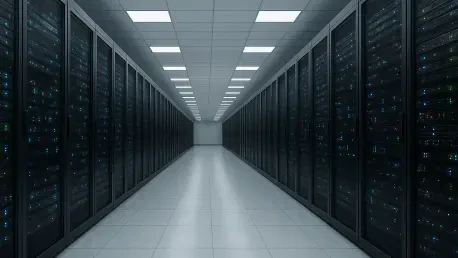
The water consumed by Australia's data centers annually represents a mere 0.04 percent of the country’s total usage, significantly less than the amount required for public swimming pools. This striking statistic challenges the common narrative surrounding the environmental impact of these digital