
Market analysis should focus less on copying existing competitors and more on identifying gaps in their positioning, pricing, or user onboarding processes. While the technical barrier to entry has lowered in 2026, the strategic barrier remains higher than ever for founders aiming to capture

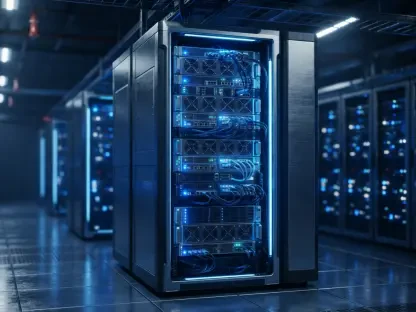
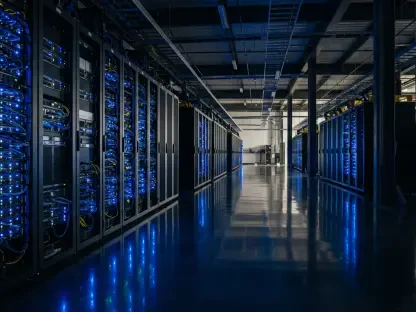
Adrian Steele of the Soil Association points out that AI is currently boosting the consumption of fossil fuels at a gigantic scale. The countryside across the south-east of England is being quietly redefined by the emergence of colossal, windowless structures that many locals mistake for mere

Managing insider risk has evolved from a recommended best practice into a legal mandate for federal entities under Executive Order 13587 and the National Industrial Security Program Operating Manual. As the federal government accelerates its digital transformation, the boundaries of the traditional

Temporary staging environments and migration buckets often become critical to operations by accident, yet they frequently lack any official protection or ownership strategy. This oversight highlights a systemic failure in how modern enterprises quantify their security readiness, often referred to

Moving from first-generation Google Cloud Functions to the current Cloud Run functions allows developers to quadruple their memory capacity and extend HTTP timeouts to a full hour. This transition marks a fundamental shift in the serverless landscape as of September 2026, where the distinction

BNP Paribas and Google Cloud have embarked on a five-year strategic partnership designed to accelerate the bank's digital transformation through advanced artificial intelligence. This collaboration provides the European banking leader with access to Google’s Gemini Enterprise and Gemini models,