
The inherent risk of relying on federated trust without secondary verification was laid bare when a third-party integration allowed unauthorized account takeovers. This scenario highlights the delicate balance between user convenience and robust data protection in the modern enterprise environment.

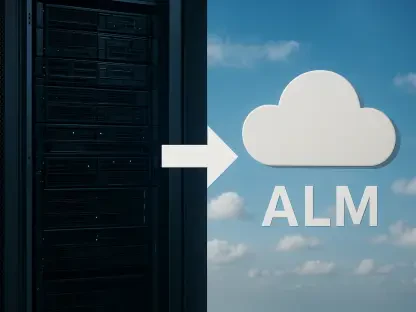
The boundary between physical hardware and virtual application logic has virtually disappeared in the modern engineering landscape. Integrating automated pipelines directly into the development process transforms the traditional software lifecycle into a continuous flow of updates and improvements.

Threat actors are increasingly viewing enterprise generative AI services as a direct means of turning stolen cloud credentials into liquid profit through third-party reselling. As organizations rush to integrate Large Language Models into their workflows, they often bypass traditional security

Enterprise procurement cycles often stall because platform teams cannot secure budget for unproven tools without first demonstrating real-world value. This inherent friction has historically slowed innovation, but the emergence of product-led strategies is fundamentally altering the landscape in

AWS treats an active MACsec session as a mandatory condition for traffic, ensuring that links drop entirely if encryption fails rather than falling back to an unsecure state. This stringent security requirement marks the beginning of a new era in cloud interoperability, where the previously
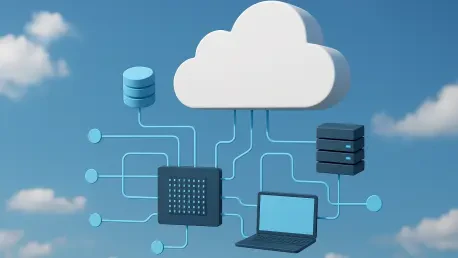
Rick Geneva's career began in the U.S. Air Force repairing electronics before he transitioned into leading engineering teams through five major innovation cycles. This trajectory allowed him to witness the shift from early networking to the sophisticated AI-driven infrastructure that defines the