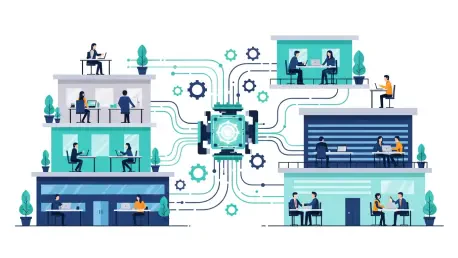
The shift from isolated productivity applications to integrated ecosystem orchestration marks the most significant change in corporate computing since the initial migration to cloud-based infrastructures. For many years, IT departments and business leaders selected their software suites based on a

Traditional methods of managing industrial hardware are rapidly dissolving as enterprises embrace cloud-native connectivity solutions that treat network access as a software resource rather than a static hardware component. In this modern landscape, the physical complexity of maintaining thousands
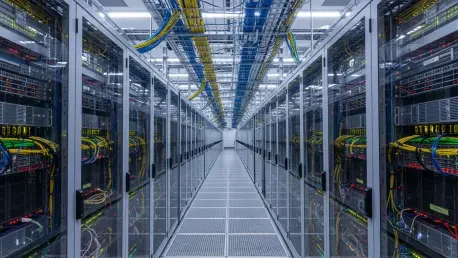
The quiet transition of Walla Walla County from a historic agricultural hub to a high-density technological corridor has reached a critical boiling point as Amazon Web Services accelerates its expansion into the region. This friction surfaced prominently during a community engagement event at

The landscape of financial and legal software is currently witnessing a profound realignment as legacy providers like Reckon Limited attempt to outpace nimble, born-in-the-cloud competitors by dismantling their own established revenue models. This evolution from traditional software to cloud-based

The modern cloud ecosystem operates at a velocity where a newly provisioned Kubernetes cluster can be identified and targeted by automated malicious scripts within seconds of its appearance on the public internet. This environment has created an incredibly narrow threat window that traditional

The relentless expansion of digital infrastructure is pushing the global semiconductor market toward a staggering valuation of one point six trillion dollars by the end of the decade, marking a definitive departure from the age of general-purpose processors. This massive shift is not merely about