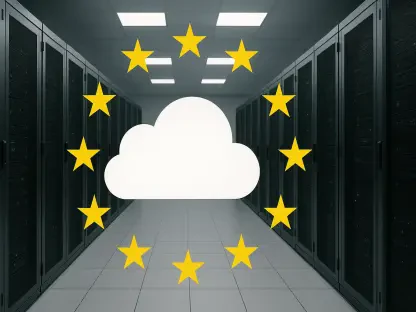
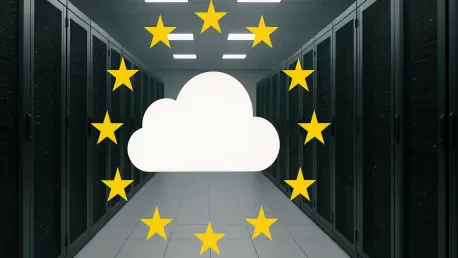
Global cloud and AI frameworks serve as the foundation for most modern applications, making a mandated transition to local alternatives a monumental technical challenge. Recent economic projections regarding the European Commission's proposed Cloud and AI Development Act suggest that the financial
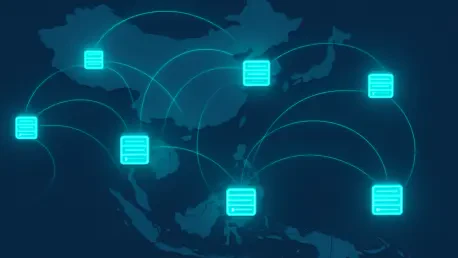
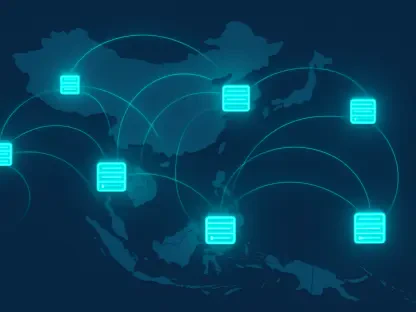
Service providers are now required to offer a seamless blend of specialized engineering and ongoing operational support to ensure long-term business outcomes. This shift has become a defining characteristic of the technological landscape in the Asia Pacific region as we navigate the current
Lengthy SQL-based reporting tasks that previously required several minutes to process are now being completed in mere seconds following a major hardware upgrade. This dramatic transformation at Perth-based managed service provider CMTG represents a pivotal shift in how local infrastructure can

European regulators have clarified that computing capacity is only subject to the Data Act if it is the primary purpose of the service rather than an incidental byproduct of a physical device or application. This pivotal distinction serves as the foundation for the 52-page draft guidance released
A phased modernization strategy allows companies to introduce Kubernetes for high-demand workloads while maintaining legacy systems for static operational tasks. This approach represents a fundamental transition in how geographic information systems function within a modern corporate IT
Industrial operations are being modernized through a combination of generative AI and process mining that uncovers inefficiencies in traditional business workflows. For decades, the backbone of many manufacturing and distribution powerhouses has remained rooted in the reliable, yet often isolated,
1 2 3 4 5 6 7 8 9 10 11 12 13 14 15 16 17 18 19 20 21 22 23 24 25 26 27 28 29 30 31 32 33 34 35 36 37 38 39 40 41