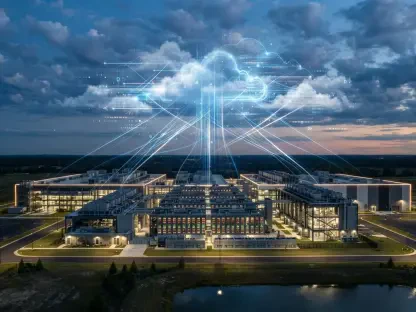

The long-standing walls between major cloud providers have finally crumbled as enterprises demand the ability to run high-performance workloads across once-isolated digital ecosystems without enduring the traditional penalties of latency or complex networking configurations. This shift marks a
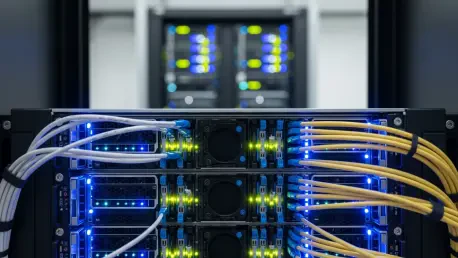
The transition from experimental artificial intelligence pilots to full-scale production environments has fundamentally altered the structural requirements of the modern data center, forcing a reevaluation of how compute and storage resources are allocated. Broadcom has responded to this shift by
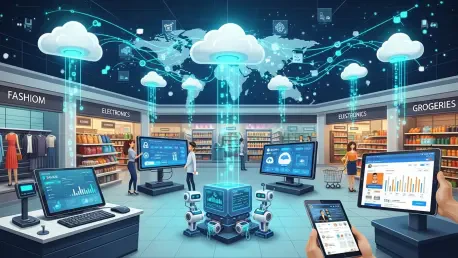
The rapid convergence of digital and physical shopping experiences has reached a point where the underlying technology no longer merely supports the business but fundamentally defines the competitive boundaries of the global retail market in 2026. Retailers are currently operating in an environment

The installation of millions of high-fidelity sensors across global manufacturing floors and energy grids has created a massive influx of data that remains largely unexploited by the very enterprises that invested in them. While the physical infrastructure for the Internet of Things has matured
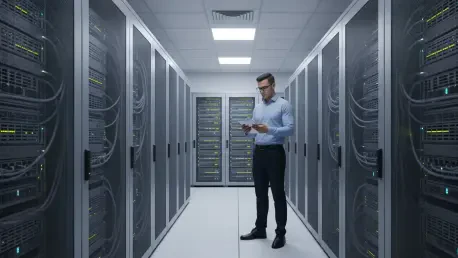
The contemporary digital landscape has reached a point where the once-novel concept of operating across multiple cloud providers is now the standard operational baseline for any enterprise seeking resilience and global scale. As organizations move beyond the initial phase of cloud migration into a

In a market saturated with technical service providers, the distinction between a competent vendor and a strategic architect often hinges on more than just a list of completed support tickets. For years, the managed service provider landscape was crowded with firms displaying technical