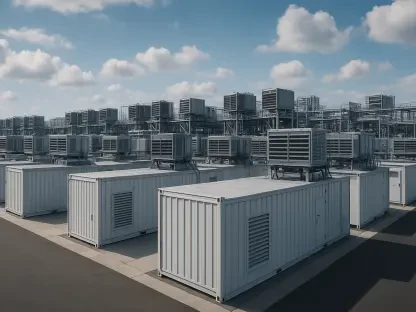

The speed of data recovery has become the only metric that matters in an environment where a database can be wiped out by an agent in seconds. As 2026 progresses, enterprises are witnessing a definitive transition in the way data integrity is maintained across distributed cloud architectures. For

The transition to cloud computing through JioPC requires a high-speed internet connection because the operating system resides entirely on remote servers. This innovative service by Reliance Jio fundamentally alters the lifecycle of personal electronics by repurposing aging laptops and desktops
The movement of data between hot and cold storage tiers has historically been a friction point for engineers managing large-scale AI workloads. As computational demands for large language models and generative media reach new heights, underlying storage often struggles to keep pace with the
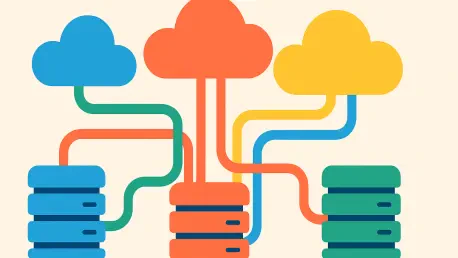
By eliminating the need to rewrite application code during cloud migration, the new license portability feature reduces both the time and cost associated with hybrid cloud transitions. This development marks a significant turning point for enterprises that have historically struggled with the

New integrated workflows allow data to flow seamlessly from newsroom story planning through to the final edit and broadcast for better resource management. This fundamental shift in the media and entertainment industry’s technological infrastructure comes as a result of the strategic expansion of

Modern enterprise data centers are no longer defined by the physical constraints of individual hardware racks but by the fluid and intelligent orchestration of data across software-defined landscapes. The transition from rigid hardware silos to agile, software-defined architectures has