The sheer computational density required by modern neural networks has turned on-premises data centers into power-hungry bottlenecks that stifle the rapid evolution of enterprise intelligence. As the calendar turns deeper into 2026, the transition of Artificial Intelligence from localized hardware
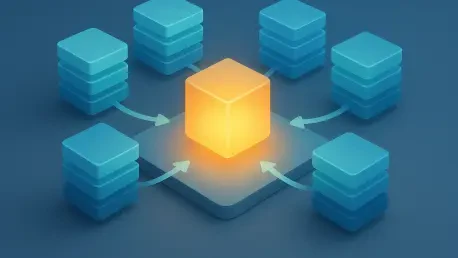
Modern enterprises are rapidly abandoning the restrictive boundaries of local physical hardware in favor of agile, software-defined environments that prioritize immediate data accessibility and seamless cross-border collaboration. This shift represents a fundamental reimagining of how digital

The inherent risk of relying on federated trust without secondary verification was laid bare when a third-party integration allowed unauthorized account takeovers. This scenario highlights the delicate balance between user convenience and robust data protection in the modern enterprise environment.
MinIO’s high-performance object storage serves as the essential memory for the HUMAIN Brain, facilitating real-time cognitive processing at scale. This integration marks a decisive departure from fragmented digital infrastructure, where data was often treated as a secondary byproduct rather than
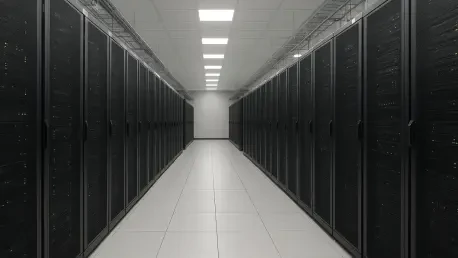
Academic research from Brown University suggests that the proximity of data centers to schools may contribute to a decline in math scores among young students living nearby. This unsettling discovery comes at a pivotal moment for Hillsboro, Oregon, which has officially overtaken Northern Virginia’s
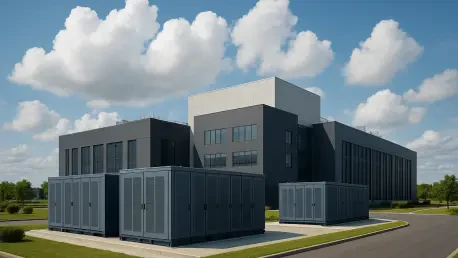
Shared fate vulnerabilities arise when a workload suffers due to the failure of a dependent third-party service, regardless of the internal integrity of the primary application. As of 2026, the reliance on interconnected cloud ecosystems has only intensified, making it imperative for enterprises to