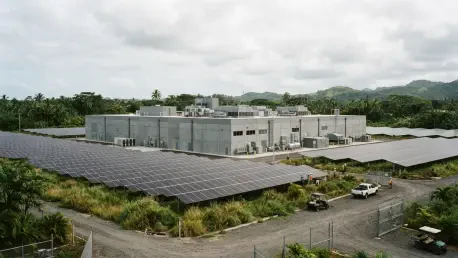

The rapid expansion of Malaysia’s digital infrastructure places immense pressure on the national electricity grid as data centers operate continuously. As the country moves toward establishing itself as a central hub for artificial intelligence and cloud computing, the physical requirements of these massive facilities have become a focal point of national policy discussions. Tan Sri Lee Lam Thye, Chairman of the Alliance for a Safe Community, has pointed out that while economic progress is vital, it cannot be allowed to degrade the natural environment or deplete critical resources. The current trajectory of development suggests a massive influx of foreign investment, yet the long-term cost to the utility grid remains a significant concern for planners and environmentalists alike. To ensure that the digital revolution remains a net positive for the nation, there must be a fundamental shift toward integrating sustainability into the core of every new project, moving beyond mere compliance to proactive ecological stewardship.
Managing Vital Energy and Water Infrastructure
Powering Growth: Overcoming Electricity Grid Constraints
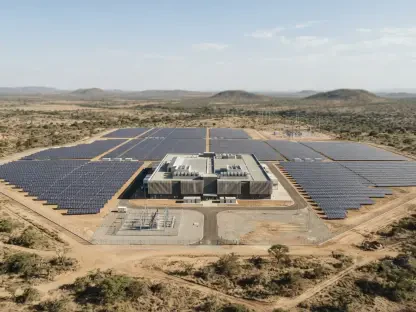
The sheer scale of energy consumption by modern server farms requires a sophisticated approach to grid management and power generation. These facilities function as high-density consumers that necessitate a stable and massive supply of electricity, often testing the limits of existing infrastructure. In 2026, the reliance on fossil fuels to meet this demand is increasingly viewed as a liability, prompting a push for more integrated renewable energy solutions. Large-scale operators are being encouraged to enter into direct power purchase agreements with solar and wind farms to offset their carbon footprint. However, the variable nature of renewable energy means that these data centers must also invest in advanced energy storage systems to maintain uptime without reverting to traditional diesel generators. This transition is not merely an environmental goal but a strategic necessity to ensure the stability of the national grid. By prioritizing efficiency through lower Power Usage Effectiveness ratings, the industry can reduce its total load while continuing to expand its capacity.
Hydration and Cooling: Safeguarding Local Water Supplies
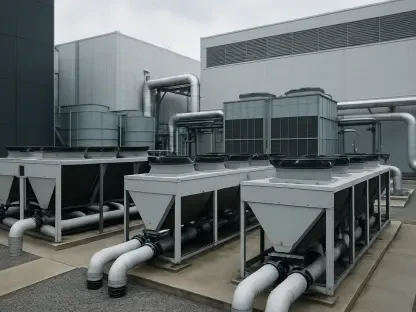
Water usage for cooling purposes presents an equally pressing challenge, particularly in regions where local communities depend on the same reservoirs as industrial parks. Traditional evaporative cooling methods can consume millions of gallons of water, creating a direct conflict with municipal needs during periods of low rainfall. To address this, forward-thinking developers are implementing closed-loop systems and liquid cooling technologies that significantly minimize water loss. Furthermore, the industry is seeing a shift toward the use of treated industrial effluent or harvested rainwater, which helps preserve the potable water supply for public consumption. Regulatory bodies are now requiring detailed water impact assessments for land use approvals, ensuring that new developments do not exacerbate local water scarcity. This approach balances the technological needs of a digital powerhouse with the fundamental right of the population to access clean and reliable water. By adopting these sustainable practices, data center operators can mitigate operational risks while demonstrating a commitment to their host communities.
Implementing Regulatory and Environmental Frameworks
Policy Reform: Certification and Resource Oversight
Establishing a mandatory regulatory framework is essential for guiding the data center industry toward a more sustainable and transparent future. The introduction of a “Green Data Center Certification” provides a clear set of benchmarks that operators must meet to qualify for specific government incentives and tax breaks. This certification process involves rigorous audits of energy efficiency, water management protocols, and overall carbon intensity. By making these standards mandatory rather than optional, the government ensures that all market participants are held to the same level of accountability. Furthermore, enhanced disclosure mandates require companies to provide annual reports on their utility usage and environmental impact, fostering a culture of transparency that benefits investors and the public. These policies are designed to filter out short-term speculative investments in favor of companies that demonstrate a long-term commitment to the country’s ecological health. As a result, the digital sector is becoming more resilient, with sustainability metrics now serving as a key indicator of economic success and technological leadership in the region.
Long-Term Stewardship: Electronic Waste and Land Use
The management of electronic waste and land development protocols underwent a significant transformation to protect the national interest. Stricter environmental impact assessments were mandated to ensure that the construction of massive server halls did not disrupt local biodiversity or worsen flood risks in urban areas. Government agencies prioritized the circular economy by establishing specialized centers for the recycling and disposal of decommissioned hardware, preventing hazardous materials from contaminating the soil. Policy makers refined investment criteria to favor projects that integrated renewable energy directly into their infrastructure plans. These initiatives successfully shifted the measure of national progress from simple investment totals to a more holistic view of resource efficiency. By prioritizing recycled water and implementing rigorous regulatory oversight, the nation established a blueprint for responsible digital growth. Ultimately, the integration of these sustainability protocols ensured that the digital transformation served both the economy and the public interest.