
The decision between physical hardware and remote servers often rests on whether a user prioritizes the tactile control of an SSD or the seamless accessibility of a digital environment. As digital lives grow more complex, individuals find themselves at a crossroads regarding how to manage expanding libraries of media and professional projects. Local storage serves as a reliable anchor, utilizing physical devices like high-capacity external drives that operate independently of a network connection. On the other hand, cloud storage offers a virtual landscape where files reside on remote servers, providing a level of convenience that hardware alone cannot match. This fundamental choice goes beyond mere preference; it dictates daily workflow efficiency and the ultimate security of critical information. Navigating these paths requires an understanding of how each method handles data throughput, security protocols, and long-term financial commitments in an era where data is a primary asset.
Maximizing Accessibility and Team Collaboration
Cloud storage provides a seamless bridge between a diverse array of devices, including modern smartphones, tablets, and high-performance workstations. By uploading documents and media to a central digital environment, a user ensures that the most recent version of their work remains available from any location with an internet connection. This paradigm shift has fundamentally altered how professionals engage with their tools, as the need to physically tether oneself to a specific machine has largely vanished. For instance, a designer might begin a complex project on a desktop in the morning and review the same updated file on a tablet during a commute without needing to manually copy data. This level of fluidity is supported by sophisticated background processes that detect changes and propagate them across all connected hardware instantly. Such a system eliminates the friction often associated with file versioning, ensuring that the latest edits are always ready for use.
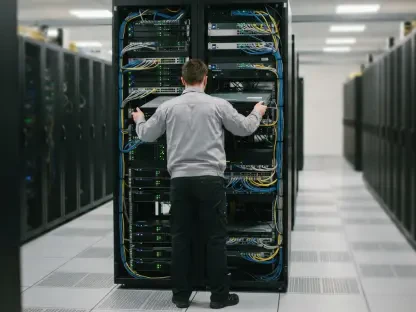
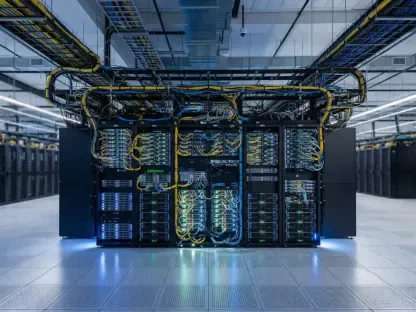
Beyond simple access, the cloud excels at fostering real-time collaboration on shared documents and complex projects. Modern platforms like Google Workspace or Microsoft 365 allow multiple team members to edit and comment on files simultaneously, creating a unified workspace that static local files cannot replicate. This environment reduces the need for email chains and the confusion of managing multiple file versions. Simultaneously, cloud providers offer high levels of redundancy by spreading data across multiple global locations, protecting against the type of total loss that occurs when a single physical hard drive fails. Unlike a local disk that might succumb to a mechanical malfunction, cloud data is mirrored across various data centers. This geographic distribution ensures that even if one facility goes offline, the information remains reachable. These platforms employ experts to monitor for threats and implement defenses that often surpass what an individual user could maintain.
Evaluating Performance and Long-Term Costs
Local storage remains the gold standard for users who prioritize transfer speed and complete independence from internet connectivity. Physical drives, especially modern NVMe Solid State Drives, can transfer gigabytes of data in a fraction of the time it takes to upload them to a remote server. This performance gap is most noticeable when handling high-definition video files, massive 3D rendering projects, or extensive software libraries that require high throughput. For a creative professional working with 8K footage, waiting for a cloud sync could result in hours of downtime, whereas a direct Thunderbolt connection provides near-instantaneous access. This localized speed ensures that hardware is never a bottleneck for creativity. Furthermore, because the connection is direct, there is no latency or lag associated with network congestion. The reliability of local hardware is particularly evident during internet outages, allowing work to continue in remote areas without any interruption.
The economic impact of storage depends on whether a user prefers a one-time investment or a recurring subscription model. Local hardware requires a higher upfront cost, but it grants the user indefinite ownership of the device with no further monthly expenses. Purchasing a high-capacity drive might seem expensive initially, but once the transaction is complete, the cost per gigabyte drops to zero over the lifespan of the device. Cloud services operate on a subscription basis where monthly fees can eventually exceed the total price of a physical drive as storage needs grow. Users often find themselves in a cycle of upgrading to higher-tier plans as their digital footprint expands, leading to a permanent monthly liability. A significant risk of this model is the potential loss of access; if a user stops paying for the service, providers may freeze the account. From 2026 to 2028, analysts expect subscription costs to rise as providers integrate more automated features into their platforms.
Implementing a Hybrid Data Management Strategy
The most effective way to manage personal and professional data is often a hybrid approach that utilizes the strengths of both storage mediums simultaneously. By keeping active projects in the cloud for easy sharing and accessibility, while archiving sensitive or large files on local drives, users create a robust safety net. This dual strategy protects against both physical hardware failure and digital service outages, ensuring that information remains reachable even if one system fails. For instance, a common practice involves using the cloud as a primary workspace for daily tasks while scheduling regular backups to an external drive for long-term security. This redundant setup ensures that even in the event of a catastrophic account breach, a physical copy of the data exists within the user’s immediate reach. This method balances the speed and security of local hardware with the flexibility of the cloud, offering the best possible outcome for any modern digital environment.
In conclusion, the evolution of storage technology demonstrated that no single solution could satisfy every requirement for speed, security, and cost. Professionals who adopted a nuanced strategy found that they could leverage the cloud for its automation while relying on local SSDs for heavy-duty tasks and privacy. The landscape transitioned toward a model where users moved away from total reliance on one platform, instead choosing to diversify their digital assets across multiple environments. This proactive management ensured that the risks of data loss were minimized while the benefits of global accessibility were maximized. Ultimately, those who took the time to assess their specific needs for bandwidth and budgeting established a more resilient digital foundation. By treating storage as a dynamic ecosystem rather than a static choice, individuals successfully navigated the complexities of data management. The shift toward hybrid systems provided a reliable roadmap for maintaining control over information.