
Following the detection of suspicious activity, Digital Arts moved to invalidate existing log-download tokens to prevent further unauthorized data access by the intruder. This preemptive measure was part of a broader response to a significant security breach that compromised the operational environment of several high-profile cloud services. The Tokyo-listed security software provider, renowned for its i-FILTER and m-FILTER platforms, initiated a comprehensive AI-assisted inspection of its systems on October 9, 2026. This investigation uncovered sophisticated traces of unauthorized access that had previously eluded standard monitoring protocols, with some digital fingerprints dating back to July 2025. The revelation highlighted a prolonged period of potential vulnerability within the service environment, prompting an immediate and multi-layered defense strategy. As the company worked to secure its infrastructure, it became clear that the incident was not the result of a software vulnerability but rather the exploitation of administrative credentials. This distinction shifted the focus toward identity management and the security of internal operational keys that grant broad access to cloud-based filtering tools. By addressing the root cause through token invalidation and key rotation, the firm aimed to restore trust while documenting the scope of the exposure to provide transparency.
1. Identification: Discovery of Traces and Service Impact
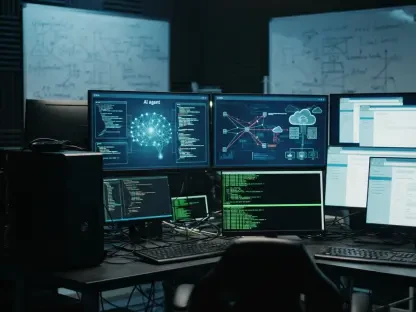
The timeline of the breach reveals a persistent presence within the cloud infrastructure, with the earliest suspicious activities identified as occurring around July 2025. This long-term intrusion went undetected until a comprehensive, AI-assisted inspection was executed on October 9, 2026. This advanced tool was specifically deployed to scan the internal environment and cloud platforms for anomalies that human-led reviews had previously overlooked. The discovery of these deep-seated traces prompted an immediate internal investigation to map the extent of the unauthorized access. While the logs do not explicitly state that the access was continuous, the presence of such old artifacts suggests that the intruder maintained a level of persistence using compromised credentials. This finding raised significant concerns regarding the efficacy of previous security protocols and the difficulty of detecting modern, credential-based attacks that blend in with legitimate traffic. By leveraging artificial intelligence to sift through massive volumes of log data, Digital Arts was finally able to pinpoint the specific compromised accounts and move toward isolation and recovery, illustrating the necessity of machine learning in contemporary defense.
The scope of the incident specifically encompasses several key cloud services that facilitate web filtering and email security for a global clientele. The primary services affected include i-FILTER@Cloud, which includes the GIGA edition used in schools, and the Modern Edition of m-FILTER@Cloud. Additionally, m-FILTER MailAdviser for Microsoft 365, FINAL CODE@Cloud, z-FILTER, and the Desk platform were identified as being within the scope of the unauthorized access. It is important to note that the breach was confined to the cloud-based operational environments rather than software products installed on customers’ local premises. However, certain options that integrate with FINAL CODE@Cloud, such as encryption-strengthening features for m-FILTER and various MailAdviser plugins for Outlook, were also compromised due to their reliance on the shared cloud infrastructure. This distinction is critical for IT administrators who must determine which parts of their security stack require immediate attention. While on-premises versions of i-FILTER Ver.10 remained secure, the interconnected nature of hybrid cloud services meant that many organizations using these specific enhancements were still exposed to the fallout of the administrative credential theft.
2. Technical: Analysis of the Entry Point and Data Exposure
The primary entry point for this intrusion was the unlawful acquisition of administrative credentials used to manage the cloud service environment. Unlike many high-profile breaches that exploit software bugs, this incident was rooted in the compromise of legitimate access keys. A third party managed to obtain these operational credentials and used them to gain entry into the core infrastructure. Digital Arts has withheld specific details regarding how these credentials were intercepted to protect ongoing security efforts and prevent copycat attacks. This lack of a specific CVE identifier confirms that the breach was a failure of identity management rather than a technical flaw in the filtering software. The attacker effectively bypassed the perimeter by posing as a legitimate administrator, highlighting a critical vulnerability in how internal operational identities are managed. This type of attack is challenging to defend against because the intruder’s actions often mimic those of authorized personnel, making it difficult for standard analysis tools to differentiate between a malicious actor and a valid technician performing routine maintenance tasks.
During the unauthorized access, the intruder was in a position to view several categories of customer information and system data. Registered email addresses were visible, which could lead to targeted phishing or social engineering. Furthermore, product logs and configuration settings for the affected cloud services may have been scrutinized or exported by the actor. Despite this exposure, the investigation confirmed that the core whitelist database, which serves as the heart of the company’s filtering technology, was never accessed or altered. The systems responsible for these databases were isolated from the compromised operational environment, ensuring that the integrity of the filtering services remained intact. As of late October, there have been no confirmed reports of customer data being actively exfiltrated for sale, nor has there been evidence of secondary harm. However, the company maintained a cautious stance, noting that the ability to view information is a serious concern, even if large-scale data removal has not yet been verified by the forensic experts who continue to analyze the service traffic and historical access logs.
3. Remediation: Critical Steps for User Security Maintenance
Customers utilizing the affected cloud services are urged to take immediate remediation steps to secure their accounts. The most critical action involves changing both administrator and user passwords across all six in-scope services, including i-FILTER@Cloud and m-FILTER@Cloud. This reset is necessary because the intruder may have observed or compromised the authentication mechanisms within the service environment. For organizations utilizing Single Sign-On through identity providers such as Microsoft Entra ID, the passwords stored by those external providers are not believed to be compromised. Nevertheless, any passwords set directly on the Digital Arts service portals must be updated to ensure the security of the administrative console. Administrators should also review their account settings to confirm that no unauthorized changes were made to their filtering policies or user lists during the breach window. Even for services like m-FILTER MailAdviser for Microsoft 365, where there are no direct passwords to change, administrators must remain vigilant and follow the specific guidance provided in the notifications sent to contract holders and their resellers.
Another essential mitigation step involves the reissuance of log-download tokens used for automated security monitoring. Following the detection of the breach, the company invalidated all existing tokens to ensure that the intruder could not use them to access log data. Customers must now generate new tokens through their management consoles and update any automated scripts they employ. This process is vital for maintaining an accurate audit trail, as organizations need these logs to perform internal reviews and verify that no localized suspicious activity occurred. Furthermore, the company cautioned its user base to be wary of opportunistic phishing attempts that may follow the public announcement. Attackers often masquerade as support staff to solicit credentials from concerned users. It is important to remember that Digital Arts will never request passwords or sensitive operational keys via phone or email. By adhering to these strict communication protocols and utilizing the dedicated support desk for technical inquiries, organizations can significantly reduce the risk of secondary compromise and ensure their security posture is restored.
4. Response: Corporate Actions and Compliance Reporting
The corporate response has focused on both immediate containment and long-term systemic improvements. Upon discovering the traces of unauthorized entry, the firm took action to revoke the compromised administrative credentials and replace them with new operational keys. Suspicious background processes identified during the AI audit were terminated, and server authentication keys were rotated to block any remaining backdoors. These measures were accompanied by a commitment to rebuild significant portions of the network architecture to eliminate residual risks. The company has also prioritized regulatory compliance, filing reports with the Personal Information Protection Commission and coordinating with the Information-System Security Management and Assessment Program (ISMAP). This collaboration ensures that the company’s practices align with Japanese government standards. By engaging with these external bodies, Digital Arts aims to provide a transparent account of the incident while validating that its new security controls are robust enough to prevent similar credential-based attacks in the future as they continue to monitor for any signs of renewed activity.
Internal investigations also revealed that the intruder managed to gain limited access to the company’s corporate network, moving beyond the cloud operational environment. While the specific scope of this internal movement remains under investigation, the company has been tracing every digital footprint to ensure no other sensitive systems were touched. The decision to delay the public disclosure until October 21 was a strategic choice designed to prioritize the lockout of the attacker. Company officials noted that premature reporting could have alerted the intruder, allowing them to cover their tracks before the defense team could fully secure the environment. This window was used to perform a deep-cleaning of the servers and to establish a secure perimeter. Financial assessments are also underway to determine the impact of the breach on the firm’s operations. By taking these comprehensive steps, the organization has demonstrated a rigorous approach to incident response, focusing on the complete eradication of the threat before inviting external audits and resuming normal business operations with enhanced monitoring capabilities.
5. Analysis: Future Considerations for Vendor Risk Assessment
The breach at Digital Arts served as a reminder of the risks inherent in managing high-privilege operational credentials within cloud ecosystems. Throughout the response process, the organization identified that traditional monitoring was insufficient for detecting sophisticated actors who used legitimate access keys to blend into daily operations. This incident highlighted the necessity of integrating AI diagnostics into the security lifecycle to uncover anomalies that otherwise remained hidden for over a year. Organizations that relied on these cloud services were forced to re-evaluate their third-party risk management strategies, recognizing that even security vendors are susceptible to credential theft. The recovery efforts demonstrated that a swift rotation of all authentication tokens and keys was the only effective way to neutralize the threat and restore the integrity of the platform. Furthermore, the event underscored the importance of segmenting core assets, such as the whitelist databases, from the broader operational environment to prevent a complete system compromise. This layered defense approach protected the primary functionality of the software.
To address the lingering vulnerabilities, security teams established several actionable protocols to strengthen their posture against future administrative compromises. They prioritized the implementation of rigorous audit log reviews, specifically looking for unrecognized changes in administrator settings that could indicate a hidden presence. It was determined that the most effective next step for any organization using hybrid cloud services was to demand evidence of how their vendors managed and monitored internal operational credentials. Furthermore, the incident proved that maintaining separate identities for local and cloud-based services provided an essential buffer. Moving forward, the industry turned its attention toward automated credential rotation and frequent AI-driven threat hunting as standard requirements for cloud service providers. The lessons learned from this breach encouraged a shift toward proactive vendor risk assessments, where the focus moved to identity governance within the supply chain. By adopting these monitoring techniques and ensuring that all tokens were regularly invalidated, organizations mitigated the risks associated with the long-term exposure of their infrastructure.