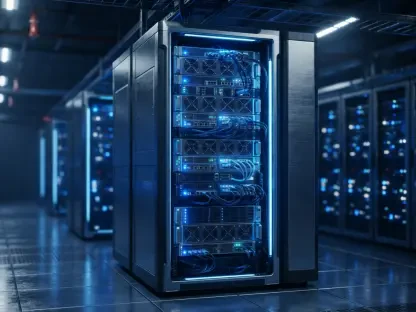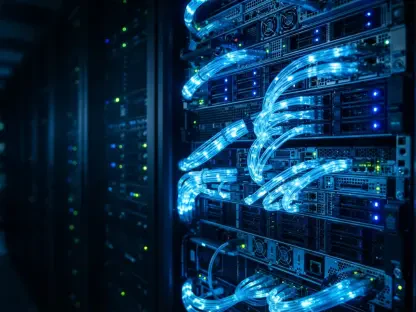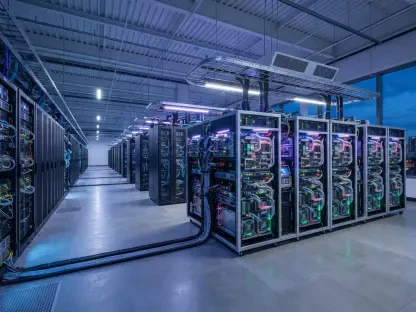

The integration of eight HBM4 memory stacks provides the Maia 300 with a total capacity of 288 GB to eliminate bottlenecks during intensive inference tasks. This strategic move marks a fundamental shift in how cloud infrastructure is engineered, as the industry moves away from general-purpose
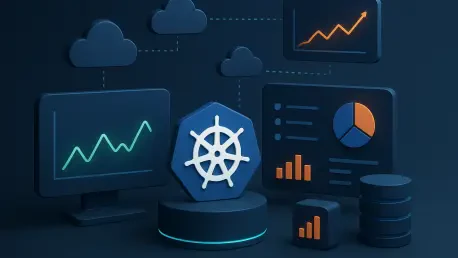
The evolution of infrastructure from resource-heavy virtual machines to ephemeral containers has made real-time system transparency a non-negotiable requirement for site reliability. This transition, which gained significant momentum around 2006 with the rise of cloud computing, fundamentally

The transition of AI agents from experimental pilots to steady-state production workloads is signaled by the introduction of tiered pricing for the AgentCore Runtime. In the first half of October, Amazon Web Services executed a pivotal shift in its approach to Artificial Intelligence

Microsoft is prioritizing latency-sensitive interactions and cloud-scale model serving by moving away from dependence on traditional third-party GPUs. This strategic shift represents a massive overhaul of the company's infrastructure, signaling a deep-rooted commitment to proprietary silicon. By

Dedicated server operators must manually preserve the saveDirectory defined in the server configuration file, as these backups contain the structures and world progress but exclude the individual character files of the players. This technical distinction is a cornerstone of how Enshrouded manages

Digital workspaces for customer collaboration move the post-sale relationship away from one-way updates toward mutual accountability through shared success plans. The customer success landscape has arrived at a definitive turning point, abandoning the outdated era of reactive support and