
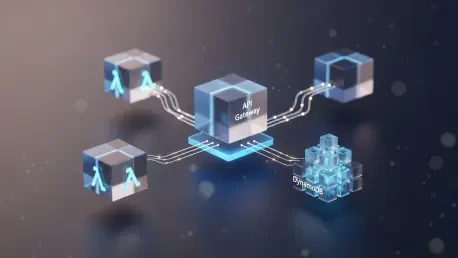
The evolution of cloud computing has reached a point where manual infrastructure management is increasingly viewed as a technical debt rather than a core competency for modern software development teams. By the middle of 2026, serverless architectures have matured into highly resilient,

The digital landscape has fundamentally shifted as corporate boardrooms move beyond viewing artificial intelligence as a mere tool for efficiency and begin treating it as a foundational engine for national and operational autonomy. This transition marks a departure from the early days of

The sudden and aggressive emergence of the Dysphoria botnet in early 2026 has fundamentally altered the global cybersecurity landscape, forcing security professionals to rethink the inherent vulnerabilities of the internet-of-things. While earlier iterations of malware typically focused on simple

The global digital landscape has reached a pivotal juncture where the monolithic definition of a server farm no longer suffices to describe the specialized architectures powering modern enterprise operations. While the internet once relied on a relatively uniform set of hardware to manage

The European digital landscape stands at a precarious crossroads where the availability of high-tier technical talent and robust data centers is undermined by a lack of cohesive market integration. This situation represents a classic industrial bottleneck where the raw materials for success are

The initial rush to migrate every possible enterprise workload to the public cloud has finally hit a pragmatic wall as organizations across the Asia Pacific and Japan region enter the era of the AI tipping point. This shift is not merely a reaction to external pressures but a calculated strategic

The global cybersecurity landscape has undergone a fundamental transformation where the traditional focus on exploiting technical software vulnerabilities has been superseded by a more streamlined, identity-centric model of attack. Modern threat actors have realized that instead of spending months

The sudden emergence of truly autonomous workflows has shifted the paradigm from static large language models toward dynamic agents capable of executing complex multi-step reasoning without human intervention. While previous iterations of generative artificial intelligence focused primarily on text

The global landscape of enterprise computing is undergoing a seismic shift as major technology players move beyond simple software licensing toward deeply integrated hardware and data ecosystems. This evolution is driven by the need for unprecedented computational power and the demand for localized
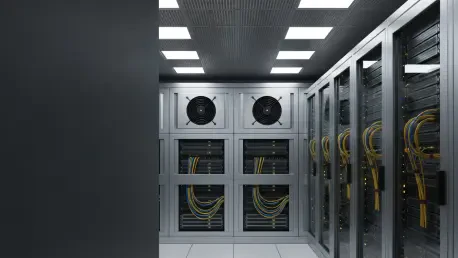
The narrative of total cloud dominance has finally collided with the harsh realities of latency, data sovereignty, and the astronomical costs associated with egress fees for large datasets. While the initial wave of digital transformation suggested that physical server rooms would become obsolete


